
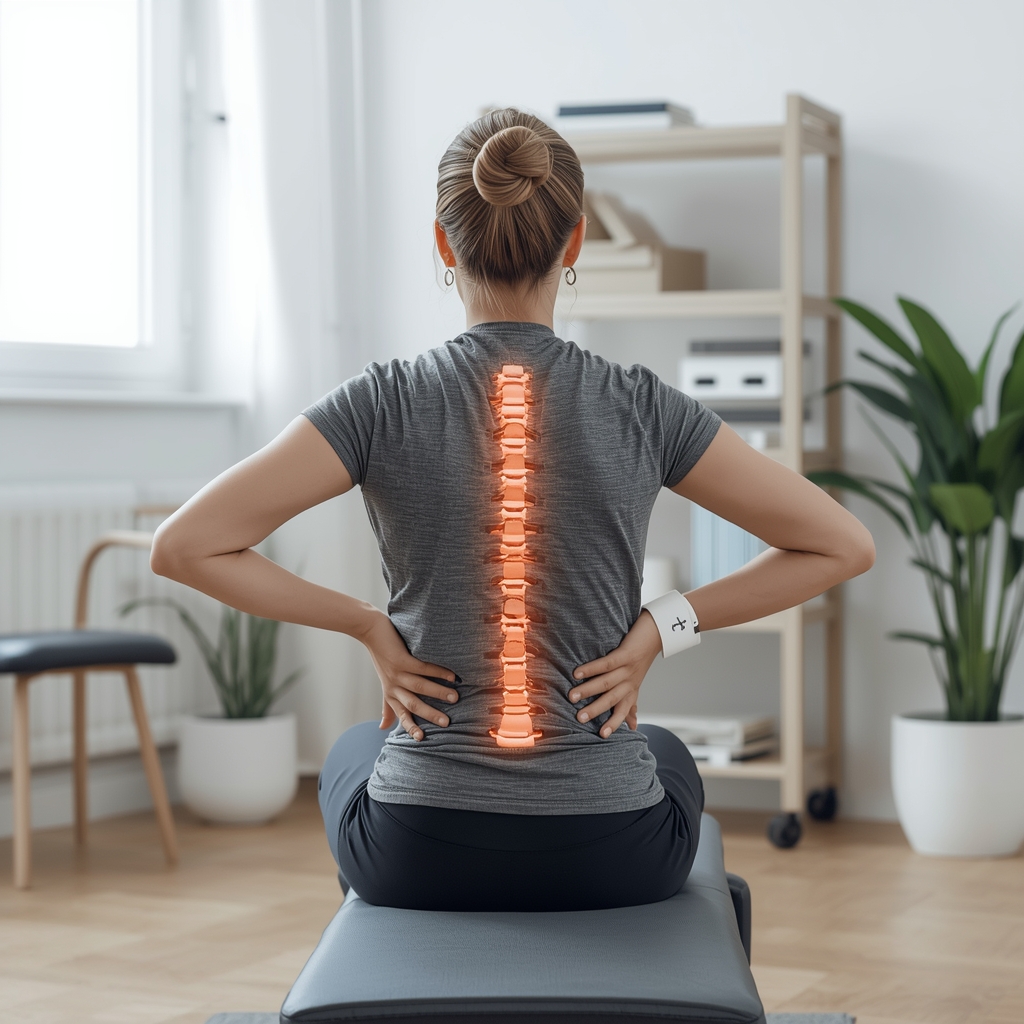
Understanding Lumbar Spinal Stenosis and the Role of Exercise
Lumbar spinal stenosis occurs when the spinal canal in the lower back narrows, compressing nerves and causing pain, numbness, or weakness in the legs. While medical treatments like medications or surgery may be necessary, targeted stretching and mobility exercises can often alleviate symptoms by improving flexibility, reducing pressure on nerves, and enhancing overall spinal function. These exercises are not a substitute for professional care but can complement chiropractic or physical therapy approaches. The key is to focus on movements that gently stretch and mobilize the lower back without exacerbating discomfort. A chiropractor can help tailor these exercises to individual needs, ensuring safety and effectiveness.
Effective Stretching Techniques for Nerve Relief
Stretching exercises that target the hamstrings, lower back, and hips can relieve pressure on compressed nerves. The seated forward bend, for example, gently stretches the hamstrings and lower back, promoting better posture and reducing tension. The knee-to-chest stretch involves lying on your back and pulling one knee toward your chest, which can ease nerve compression in the lumbar region. Additionally, the child’s pose from yoga encourages spinal decompression and relieves lower back tightness. These stretches should be performed slowly and held for 20-30 seconds, avoiding any movements that cause sharp pain. Regular practice can improve flexibility and reduce discomfort over time.
Mobility Exercises to Improve Spinal Function
Mobility exercises focus on restoring range of motion and reducing stiffness in the lower back. The cat-cow stretch, performed on hands and knees, alternates between arching and rounding the back to improve spinal flexibility. Pelvic tilts, done while lying on your back, strengthen core muscles and stabilize the lower back. The bird-dog exercise, which involves extending opposite arms and legs while on all fours, enhances coordination and core engagement. These movements help maintain proper spinal alignment, reducing the risk of further compression. Incorporating them into a daily routine can support long-term spinal health, but it’s essential to consult a chiropractor to ensure proper form and avoid overexertion.
Avoiding Harmful Movements and Postures
Certain activities can worsen lumbar spinal stenosis symptoms by increasing spinal pressure. Prolonged sitting, especially with poor posture, may compress nerves and exacerbate pain. High-impact exercises like running or heavy lifting should be avoided, as they can strain the lower back. Instead, focus on low-impact movements that prioritize stability and control. Twisting motions or bending at the waist without engaging the core may also aggravate symptoms. A chiropractor can identify personal triggers and recommend safer alternatives. By modifying daily habits and exercise routines, individuals can minimize discomfort and protect their spinal health.
The Importance of Consistency and Professional Guidance
Consistency is crucial when managing lumbar spinal stenosis with stretching and mobility exercises. Performing these routines regularly helps maintain flexibility and prevent symptom flare-ups. However, it’s vital to work with a chiropractor to ensure exercises are appropriate for your condition. A professional can assess your posture, movement patterns, and pain levels to create a personalized plan. They may also integrate other treatments, such as spinal adjustments or soft tissue therapy, for comprehensive care. Avoiding self-diagnosis and seeking expert advice reduces the risk of injury and ensures exercises align with your unique needs.
Conclusion: Empowering Your Spinal Health Journey
Managing lumbar spinal stenosis involves a proactive approach that includes targeted stretching, mobility work, and professional guidance. While these exercises can provide relief, they are most effective when part of a broader care strategy. By focusing on gentle, consistent movements and avoiding harmful habits, individuals can improve their quality of life. Always consult a chiropractor before starting new routines to ensure safety and effectiveness. With the right support, managing spinal stenosis symptoms becomes a manageable and empowering process.














