
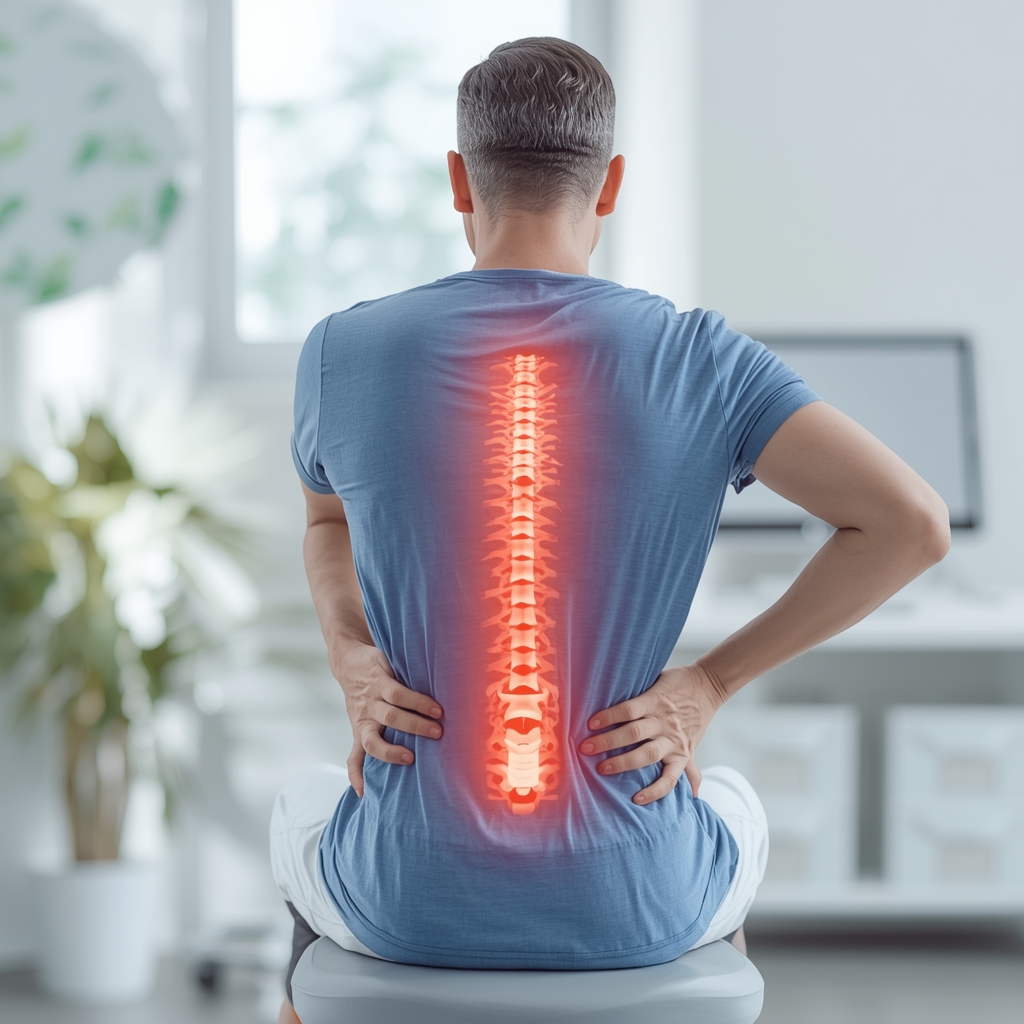
Understanding Lumbar Spinal Stenosis and Non-Surgical Options
Lumbar spinal stenosis occurs when the spinal canal in the lower back narrows, compressing nerves and causing pain, numbness, or weakness. While surgery is an option, many patients seek non-invasive solutions. Chiropractic care focuses on improving spinal alignment, reducing pressure, and enhancing mobility. Techniques like spinal adjustments, decompression therapy, and targeted exercises may help alleviate symptoms. It’s important to consult a qualified chiropractor to develop a personalized plan, as individual needs vary. These approaches aim to manage discomfort and improve quality of life without surgical intervention.
Spinal Adjustments for Nerve Relief
Chiropractors often use spinal adjustments to realign the vertebrae and reduce nerve compression. For lumbar stenosis, adjustments may focus on the lumbar spine to create more space for nerves. Techniques like diversified adjustments or flexion-distraction may be employed. These methods can improve posture, decrease inflammation, and enhance spinal function. While results vary, many patients report reduced pain and increased mobility. Always ensure adjustments are performed by a licensed professional to avoid complications. Combining adjustments with other therapies often yields better outcomes.
Decompression Therapy for Spinal Relief
Spinal decompression therapy uses gentle traction to relieve pressure on compressed nerves. This non-surgical approach can be particularly effective for lumbar stenosis by widening the spinal canal and reducing nerve irritation. Sessions typically involve a specialized table that alternates pressure to decompress the spine. Patients often experience decreased pain and improved circulation. While not a cure, decompression therapy may provide long-term relief when part of a comprehensive care plan. It’s important to discuss this option with a chiropractor to determine its suitability for your condition.
Corrective Exercises to Alleviate Symptoms
Targeted exercises can strengthen core muscles, improve flexibility, and reduce spinal strain. The McKenzie Method, for example, involves specific movements to centralize pain and relieve nerve pressure. Core strengthening exercises like planks or bridges enhance spinal stability. Stretching routines, such as hamstring stretches, can also ease discomfort by reducing tension on the lower back. A chiropractor may recommend a customized exercise program to address your unique needs. Consistency and proper form are key to maximizing benefits and preventing further issues.
Lifestyle Modifications to Support Recovery
Adopting ergonomic practices and avoiding prolonged sitting can ease lumbar stenosis symptoms. Using proper lifting techniques and maintaining good posture reduces spinal stress. Low-impact activities like walking or swimming may improve mobility without exacerbating pain. Weight management is also crucial, as excess weight increases pressure on the spine. Chiropractors often advise on lifestyle changes to complement treatments. These adjustments, paired with professional care, can significantly enhance overall spinal health and reduce symptom recurrence.
When to Seek Professional Guidance
If symptoms persist or worsen, consulting a chiropractor is essential. They can assess your condition and recommend appropriate interventions. A thorough evaluation helps rule out other causes of pain and ensures safe, effective care. Chiropractors may combine adjustments, therapy, and exercises to create a tailored plan. Open communication about your symptoms and goals ensures the best possible outcomes. Remember, non-surgical options require patience and consistency, but many find relief through dedicated chiropractic care.













