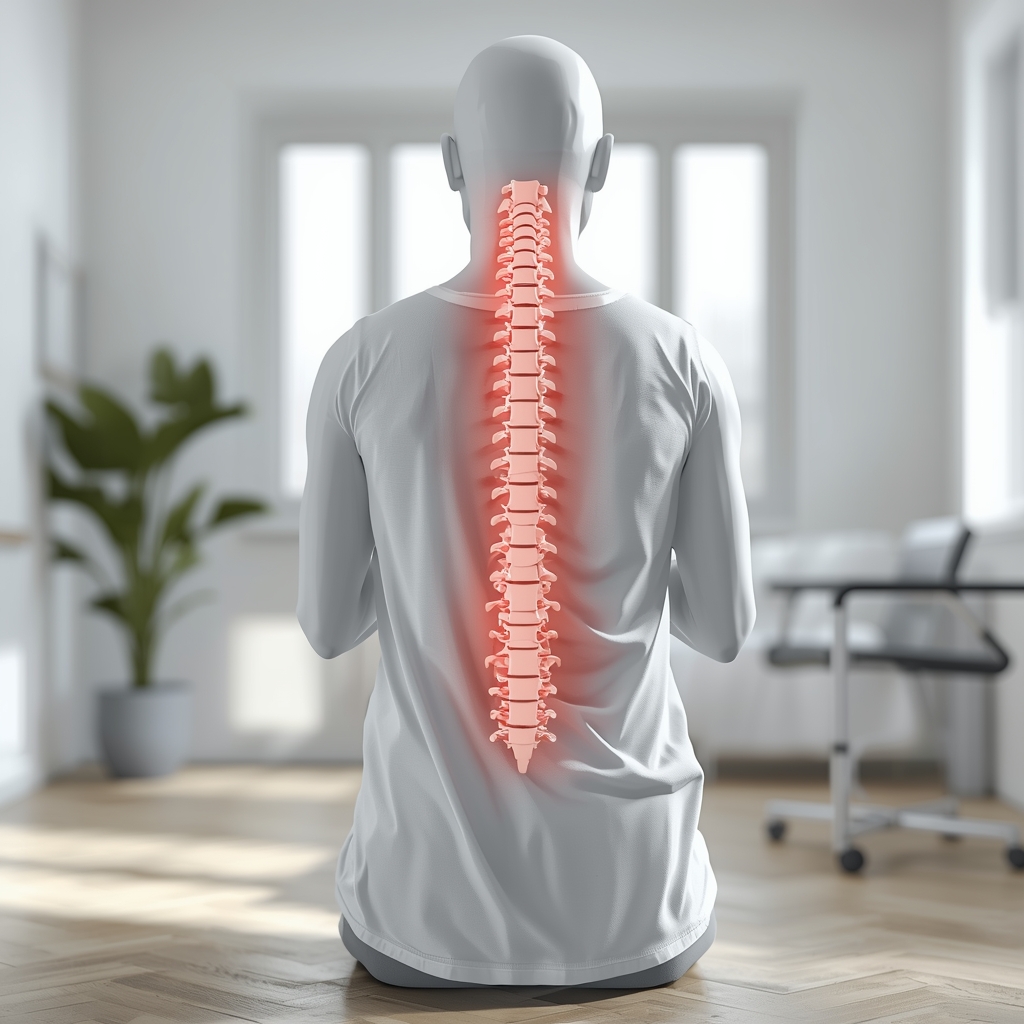
Understanding Spinal Biomechanics in Modern Chiropractic
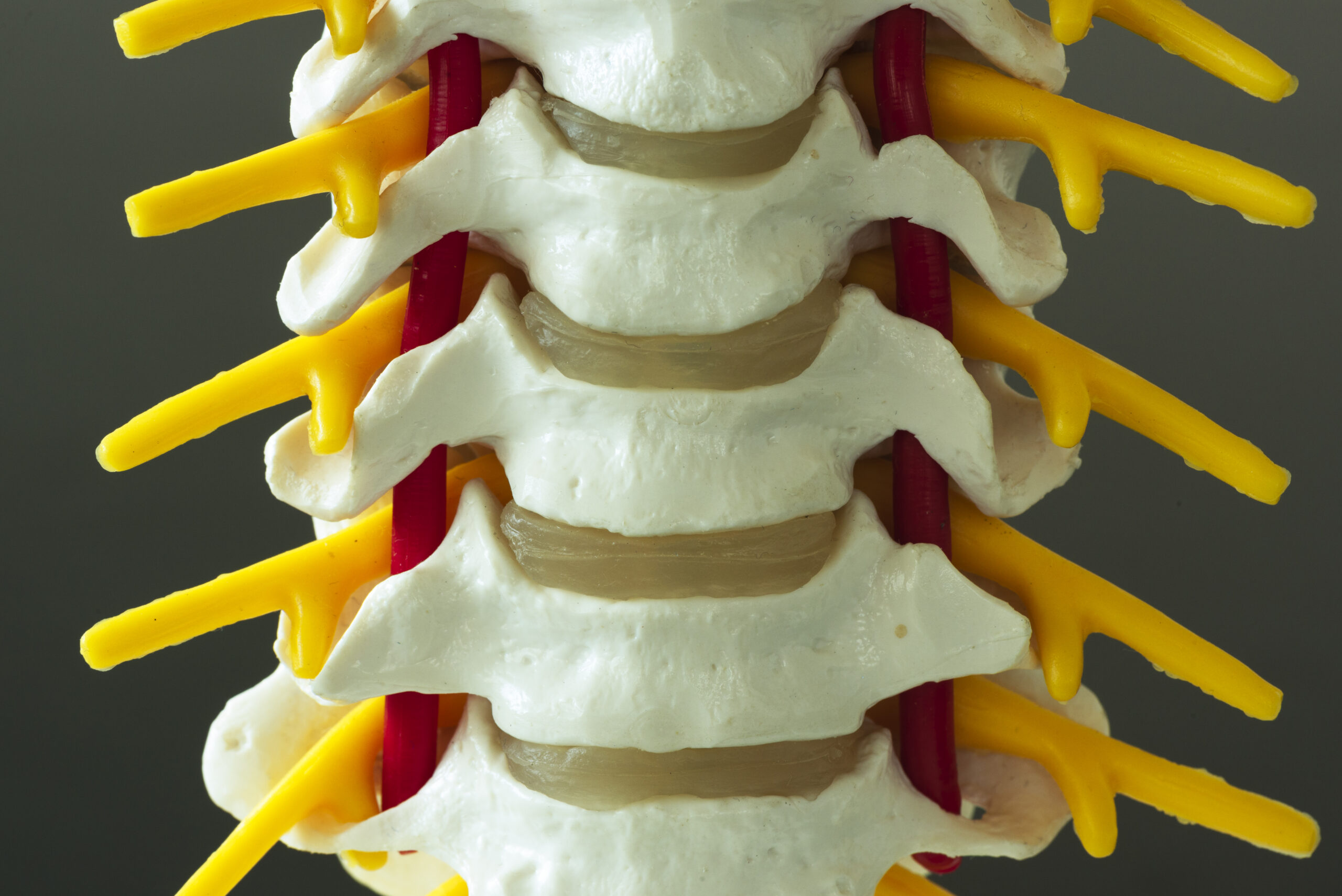
Spinal biomechanics—the study of how the spine moves and functions—has become a cornerstone of modern chiropractic care. Researchers are increasingly focusing on how subtle misalignments, muscle imbalances, and joint restrictions impact overall health. This field bridges traditional chiropractic principles with cutting-edge science, offering new insights into how the spine interacts with the nervous system and other bodily systems. As diagnostic tools improve, chiropractors can now analyze movement patterns with greater precision, leading to more targeted interventions. This evolving understanding emphasizes the importance of holistic care, where spinal health is viewed as integral to broader wellness goals. By staying informed about biomechanical research, chiropractors can refine their approaches to better serve patients seeking non-invasive, personalized solutions.
Advancements in Diagnostic Technology
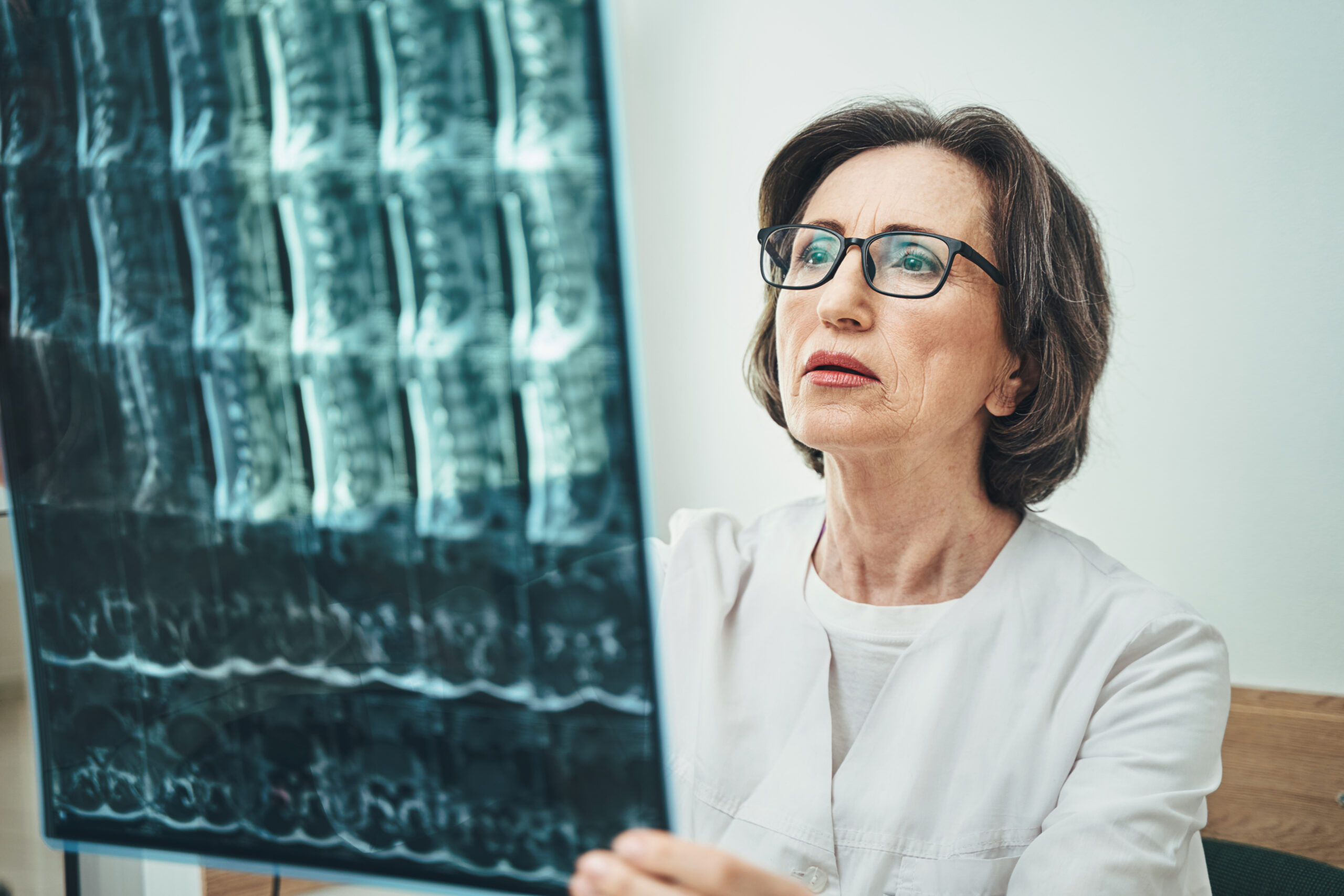
Recent innovations in diagnostic technology are revolutionizing how chiropractors assess spinal biomechanics. Tools like 3D motion analysis systems and advanced imaging techniques allow practitioners to visualize complex movement patterns and identify dysfunctions that may not be apparent through traditional methods. These technologies enable more accurate diagnoses of conditions such as subluxations, postural imbalances, and degenerative changes. Additionally, wearable sensors and real-time feedback devices are helping patients monitor their progress and adhere to corrective exercises. By integrating these tools, chiropractors can create data-driven care plans that adapt to individual needs. This shift toward technology-assisted diagnostics not only enhances precision but also empowers patients to take an active role in their recovery. As these tools become more accessible, they are likely to shape the future of chiropractic practice, making care more effective and evidence-based.
Perspectives on Personalized Treatment Approaches
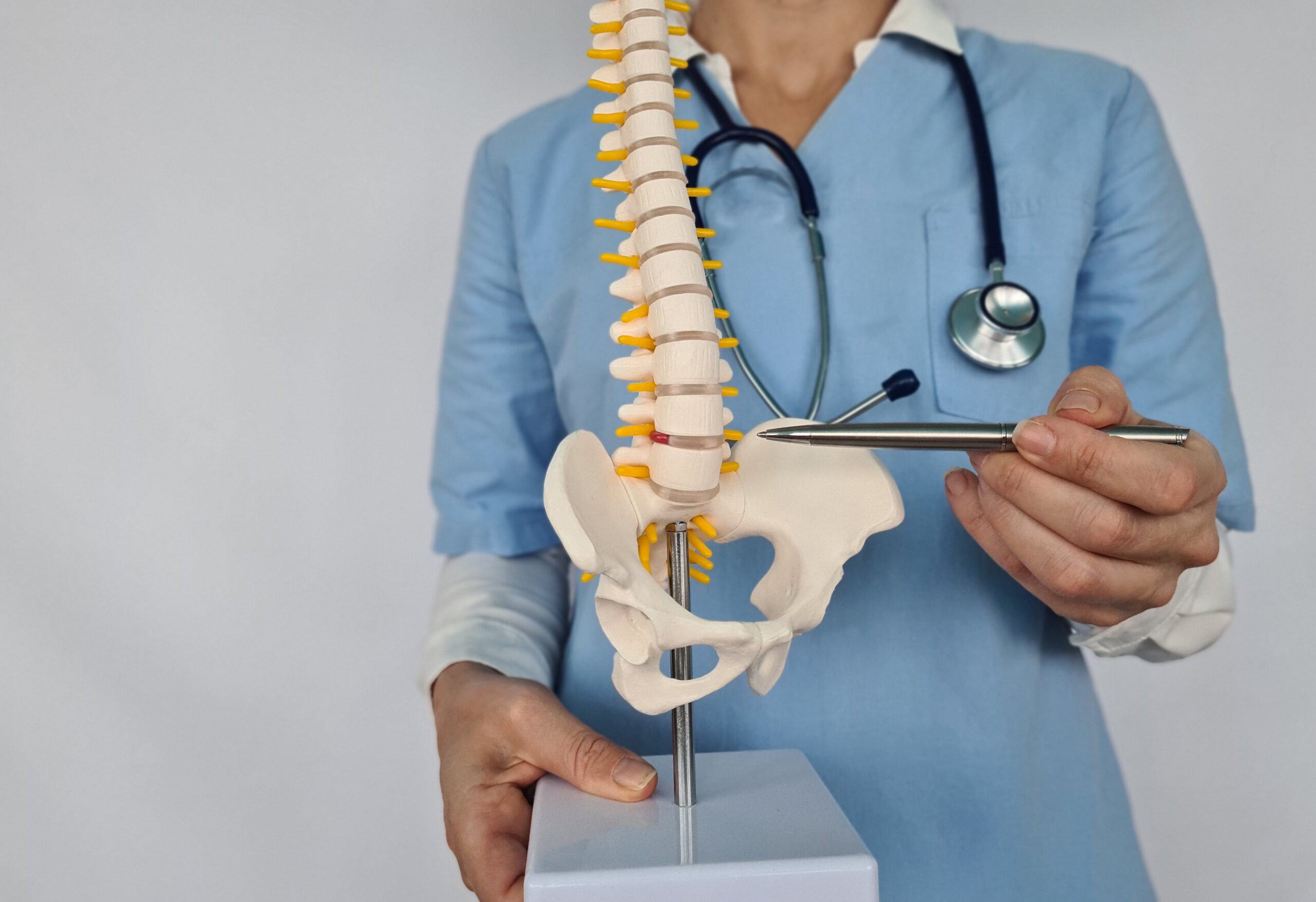
Emerging research underscores the value of personalized treatment strategies in chiropractic care. Spinal biomechanics vary widely among individuals, influenced by factors like genetics, lifestyle, and injury history. Modern chiropractors are increasingly tailoring adjustments and therapeutic interventions to address these unique profiles. For example, some practitioners use biomechanical assessments to determine the most effective manipulation techniques for a patient’s specific condition. Others combine spinal adjustments with corrective exercises or soft-tissue therapies to target underlying imbalances. This patient-centered approach aligns with broader trends in healthcare toward individualized care. By leveraging biomechanical insights, chiropractors can enhance treatment outcomes and reduce the risk of recurring issues. However, such methods require ongoing education and collaboration with other healthcare professionals to ensure safety and efficacy.
The Role of Regenerative Medicine in Spinal Health
Regenerative medicine is gaining traction as a complementary field to chiropractic care, particularly in addressing spinal degeneration and injury. Research into biocompatible materials, stem cell therapy, and growth factor applications is exploring ways to repair damaged discs, ligaments, and joints. While still in its early stages, this area of study holds promise for reducing the need for invasive procedures. Chiropractors are beginning to integrate regenerative approaches alongside traditional adjustments, focusing on holistic healing. For instance, some practices now offer platelet-rich plasma (PRP) injections to support tissue recovery. However, these innovations require careful evaluation to ensure they align with chiropractic principles and patient safety. As the science evolves, chiropractors must stay informed about ethical and evidence-based applications to provide comprehensive care that addresses both structural and biological aspects of spinal health.
Interdisciplinary Collaboration in Spinal Care
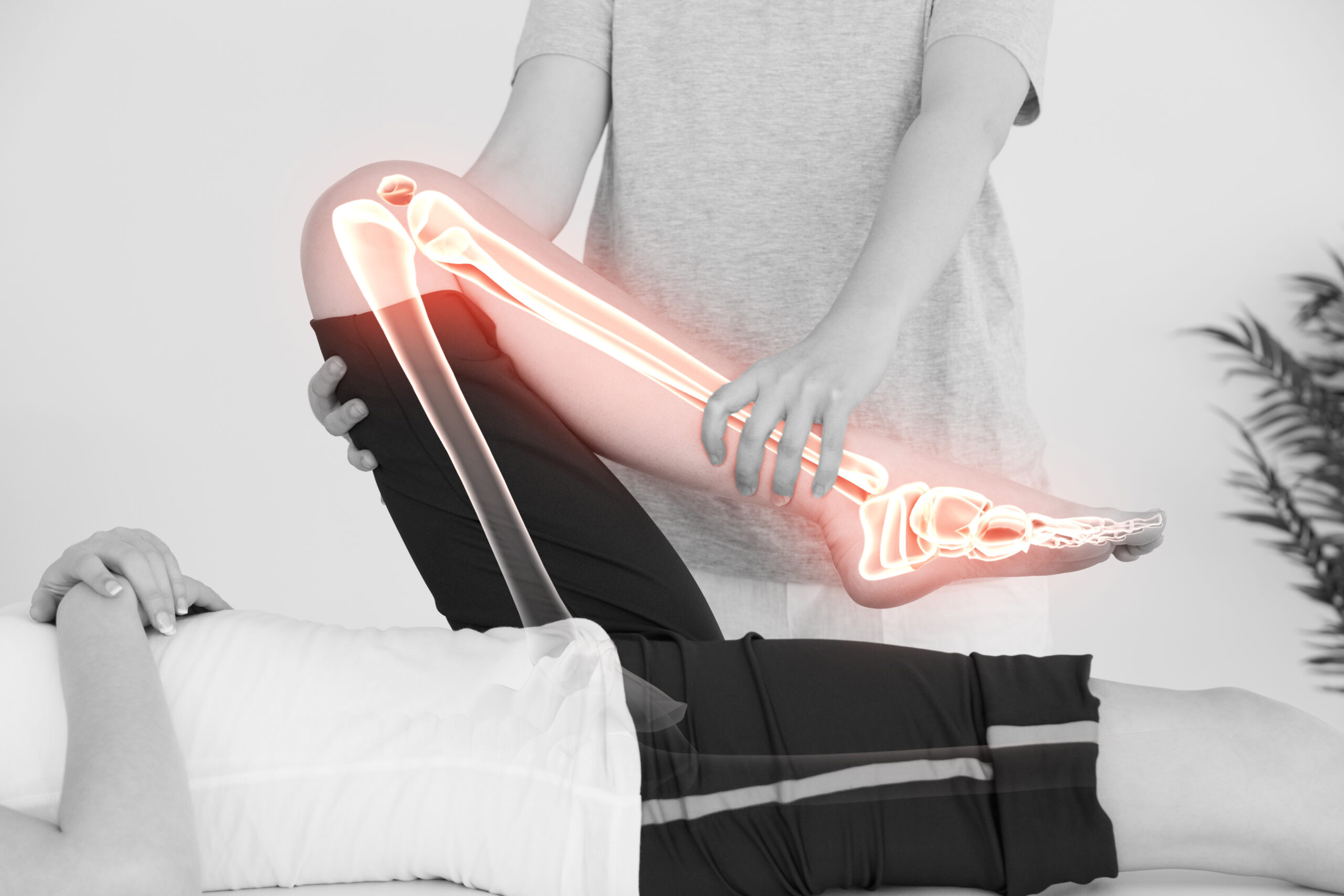
Collaboration across medical disciplines is reshaping how spinal biomechanics are addressed in modern chiropractic practice. Researchers are increasingly emphasizing the benefits of integrating chiropractic care with physical therapy, orthopedics, and pain management. This interdisciplinary approach allows for a more comprehensive understanding of spinal conditions, combining structural adjustments with rehabilitative strategies and pharmacological support when needed. For example, studies suggest that combining chiropractic adjustments with targeted exercise programs can improve outcomes for patients with chronic lower back pain. Such partnerships also foster shared knowledge, enabling chiropractors to stay updated on the latest research and treatment modalities. As healthcare becomes more interconnected, these collaborations are likely to expand, offering patients more robust and multifaceted care options that address both immediate symptoms and long-term wellness.
Future Directions and Patient Education
As research in spinal biomechanics progresses, the future of chiropractic care will depend on ongoing education and patient engagement. Chiropractors must stay abreast of new findings to refine their techniques and ensure they align with the latest scientific consensus. At the same time, patients need clear, evidence-based information to make informed decisions about their care. Educational initiatives, such as workshops and digital resources, can help bridge this gap, fostering trust and transparency. Additionally, as technologies like AI and machine learning become more prevalent, they may offer new ways to analyze biomechanical data and predict treatment responses. However, these advancements must be balanced with a commitment to ethical practice and patient-centered care. By prioritizing education and adaptability, the chiropractic community can continue to evolve while maintaining its core mission of promoting natural healing and spinal wellness.