
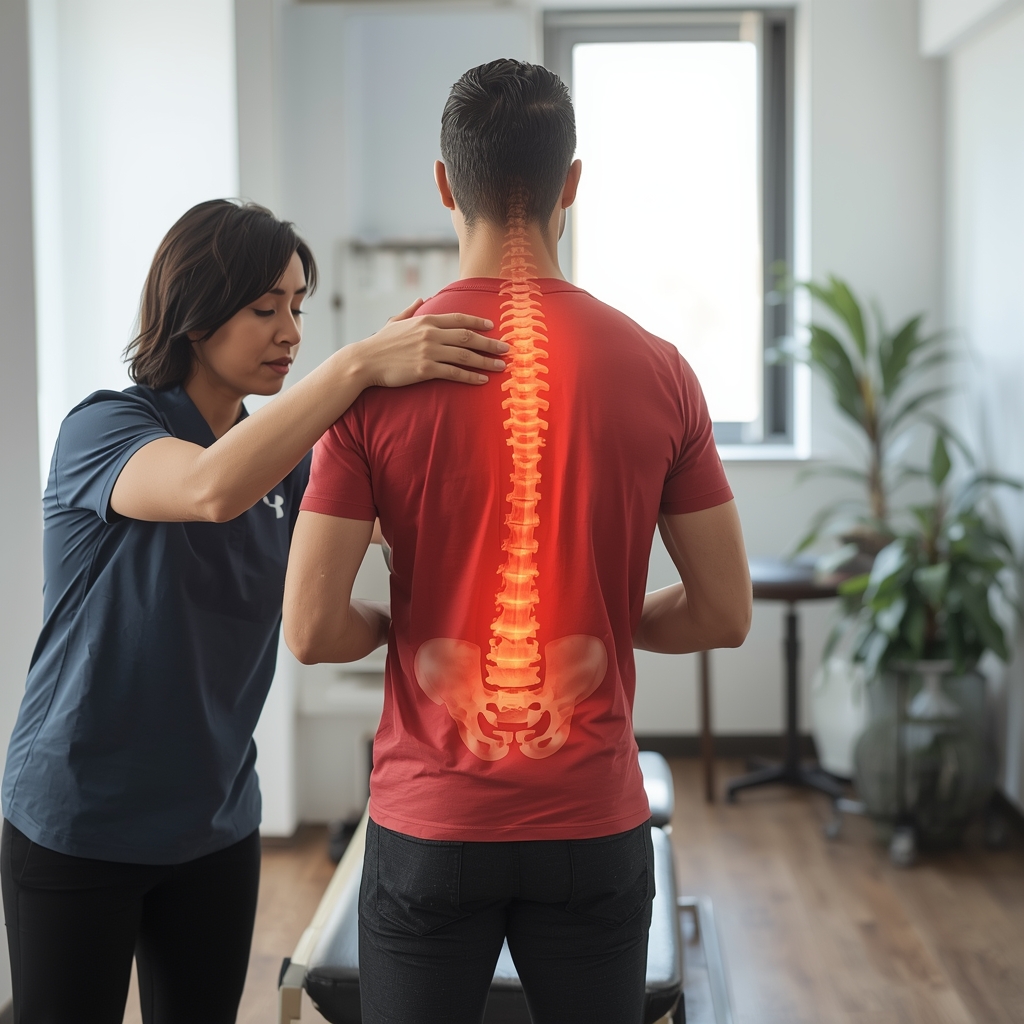
Understanding ITBS and the Role of Spinal Adjustments
Iliotibial Band Syndrome (ITBS) is a common overuse injury among runners, characterized by lateral knee pain due to friction between the iliotibial band and the femur. While traditional treatments focus on soft tissue work, spinal adjustments offer a complementary approach by addressing biomechanical imbalances. Misalignments in the spine or pelvis can alter gait patterns, increasing stress on the IT band. Chiropractors may use spinal manipulative therapy to restore proper alignment, potentially reducing compensatory movements that contribute to ITBS recurrence. This technique aims to enhance neuromuscular control and optimize movement efficiency, supporting long-term recovery.
Key Spinal Adjustment Techniques for ITBS
Spinal adjustments targeting the lumbar and sacral regions are often utilized to address ITBS. Techniques like diversified adjustments or activator methods may be employed to correct subluxations affecting pelvic stability. A stable pelvis reduces rotational forces on the femur, lessening IT band strain. Additionally, thoracic spine adjustments can improve posture and upper body alignment, indirectly influencing lower extremity mechanics. These interventions are typically part of a broader care plan, emphasizing the spine’s role in overall movement coordination. However, effectiveness varies, and individualized assessment by a chiropractor is critical to determine the most appropriate approach.
Gait Analysis as a Diagnostic Tool
Gait analysis helps identify movement patterns that may exacerbate ITBS. By observing a runner’s stride, chiropractors can detect asymmetries, overpronation, or hip instability contributing to IT band irritation. Advanced systems may use pressure plates or motion sensors to quantify deviations. This data informs targeted interventions, such as custom orthotics or strength training. When combined with spinal adjustments, gait analysis provides a holistic view of biomechanics, enabling practitioners to address both structural and functional contributors to ITBS. Regular reassessments ensure adjustments and therapies evolve with the runner’s progress.
Combining Adjustments with Gait Correction
A integrated approach often yields better outcomes for ITBS. Spinal adjustments may correct pelvic misalignments, while gait retraining addresses faulty movement patterns. For example, a runner with a tilted pelvis might benefit from adjustments to restore balance, paired with exercises to strengthen hip abductors. This dual strategy reduces mechanical stress on the IT band and promotes sustainable recovery. Chiropractors may also recommend footwear modifications or training adjustments based on gait findings. The synergy between spinal care and gait optimization highlights the importance of a multidisciplinary approach to prevent recurrence.
Considerations for Effective Treatment
Successful ITBS management requires patience and consistency. Spinal adjustments and gait analysis are most effective when combined with other therapies like stretching or strength training. Runners should communicate openly with their chiropractor about symptoms and training routines to tailor interventions. Over-reliance on any single technique may limit results, so a comprehensive plan is essential. Additionally, addressing underlying factors—such as muscle imbalances or training errors—supports long-term success. Regular follow-ups allow for adjustments to the care plan as the body adapts and improves.
Conclusion: A Holistic Approach to ITBS Prevention
Reducing ITBS recurrence involves more than isolated treatments; it demands a coordinated strategy. Spinal adjustments can correct structural imbalances, while gait analysis identifies functional issues. Together, they form a foundation for sustainable recovery. Runners should view these methods as part of a broader health plan, incorporating proper training, footwear, and self-care. Consulting a qualified chiropractor ensures personalized guidance, as each runner’s needs differ. By prioritizing biomechanical health, athletes can minimize ITBS risk and maintain active lifestyles.













