
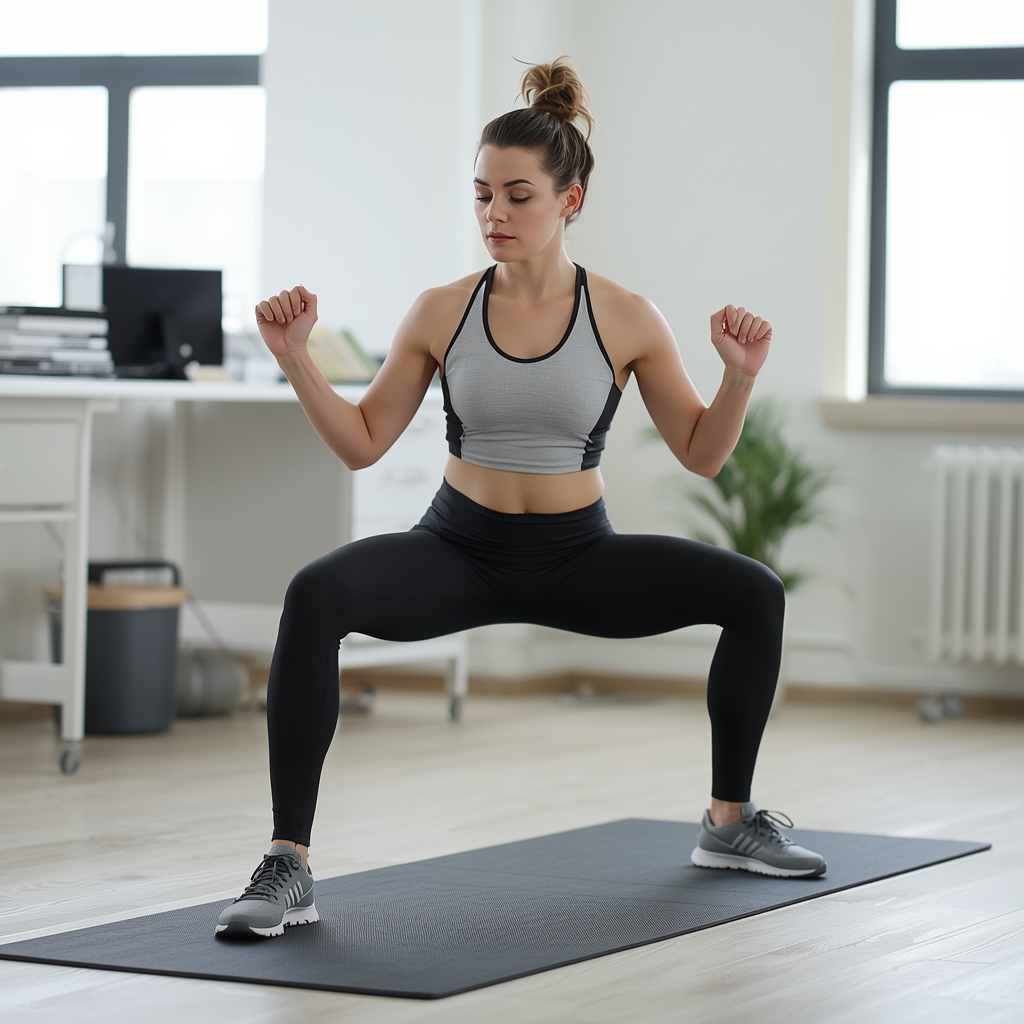
Understanding Iliotibial Band Syndrome and Its Causes
Iliotibial Band Syndrome (ITBS) is a common overuse injury affecting the outer knee, often experienced by runners, cyclists, and other athletes. The iliotibial band, a thick band of tissue running from the hip to the shin, can become inflamed due to repetitive friction against the femur. Weakness in hip and core muscles, improper footwear, and poor biomechanics are key contributors. Preventive strength training targets these areas to reduce strain on the IT band. While gait analysis addresses movement patterns, strengthening exercises focus on building resilience and balance. Recreational athletes can benefit from tailored routines that enhance muscle support and flexibility, minimizing injury risk. A chiropractor can guide personalized strategies to address individual needs and ensure proper form during exercises.
Strengthening Hip Abductors and Glutes
Weak hip abductors and glutes are major risk factors for ITBS, as they fail to stabilize the pelvis during movement. Exercises like side-lying leg lifts, clamshells, and banded walks target these muscles effectively. Side-lying leg lifts isolate the hip abductors, while clamshells engage the gluteus medius, crucial for knee alignment. Banded walks, performed with a resistance band around the thighs, mimic functional movements and improve stability. Incorporating these exercises 2–3 times weekly can enhance hip strength, reducing lateral knee strain. A chiropractor may recommend progression from bodyweight to resistance bands or weights based on individual fitness levels. Consistency is key, as gradual strengthening builds the endurance needed for repetitive activities like running or cycling.
Core Stability for Proper Alignment
A strong core supports overall body mechanics, preventing compensatory movements that strain the IT band. Planks, bird-dogs, and dead bugs are foundational exercises for core stability. Planks strengthen the transverse abdominis and obliques, while bird-dogs improve coordination between the core and limbs. Dead bugs enhance anti-rotation strength, crucial for maintaining balance during dynamic activities. These exercises promote a neutral spine and pelvis, reducing excessive hip drop or rotation that exacerbates ITBS. Integrating core work into a weekly routine complements hip and lower-body training. A chiropractor can assess posture and movement patterns to tailor core exercises for optimal alignment and injury prevention.
Balance and Proprioception Training
Balance exercises improve neuromuscular control, helping the body adapt to uneven surfaces and sudden movements that stress the IT band. Single-leg stands, Bosu ball drills, and heel-to-toe walks are effective for enhancing stability. Single-leg stands challenge static balance, while Bosu ball exercises introduce instability to strengthen stabilizing muscles. Heel-to-toe walks improve coordination and proprioception, the body’s ability to sense position. These practices reduce the risk of abnormal knee mechanics during sports. A chiropractor may incorporate balance training into a broader rehabilitation plan, ensuring proper form and progression. Regular practice builds resilience, making the IT band less susceptible to friction and inflammation.
Stretching and Foam Rolling for Flexibility
Dynamic stretching and foam rolling maintain flexibility in the IT band and surrounding muscles, preventing tightness that contributes to ITBS. Hamstring, quadriceps, and hip flexor stretches should be part of a pre- and post-exercise routine. Foam rolling the IT band, glutes, and quads releases tension and improves blood flow. However, direct pressure on the IT band should be gentle to avoid irritation. Consistent stretching and myofascial release reduce stiffness, allowing smoother movement patterns. A chiropractor can recommend specific techniques and frequency based on individual needs. Combining these practices with strength training creates a holistic approach to injury prevention.
Consulting a Chiropractor for Personalized Guidance
While general exercises benefit many, a chiropractor can identify unique risk factors and design a tailored prevention plan. They may assess gait, posture, and muscle imbalances to recommend targeted exercises. Chiropractic care often includes adjustments to improve joint mobility and reduce compensatory patterns. Additionally, they can advise on footwear, training intensity, and recovery strategies. Recreational athletes should consult a qualified provider to ensure exercises align with their physical condition and goals. A collaborative approach between the athlete, chiropractor, and possibly a physical therapist maximizes effectiveness. Prioritizing professional guidance ensures safe, sustainable progress in preventing ITBS and enhancing overall performance.













