Introduction to Scoliosis and Respiratory Function
Scoliosis is a medical condition characterized by an abnormal lateral curvature of the spine. The degree of curvature can vary significantly among individuals, and in some cases, it can impact various bodily functions, including respiratory performance. The relationship between spinal curvature and respiratory function is complex and can be influenced by several factors, including the severity of the curvature, the location of the curvature along the spine, and the individual's overall health.
Many people with scoliosis may not experience significant respiratory issues, but for those who do, managing the condition effectively is crucial. This involves a comprehensive approach that may include chiropractic care, physical therapy, and in some cases, surgical intervention. A chiropractor can play a significant role in helping patients manage scoliosis and its effects on respiratory function by providing spinal adjustments and other non-invasive treatments aimed at improving spinal alignment and reducing pressure on the lungs and diaphragm.
The Impact of Spinal Curvature on Respiratory Function
The spinal curvature associated with scoliosis can affect respiratory function in several ways. The most significant impact is typically seen in cases where the curvature is severe and occurs in the thoracic region of the spine. This area of the spine is critical because it houses the lungs and the diaphragm, the primary muscle used for breathing. When the thoracic spine is curved abnormally, it can reduce the space available for the lungs to expand, thereby potentially limiting lung capacity and affecting breathing efficiency.
Furthermore, the altered biomechanics of the spine and rib cage in individuals with scoliosis can lead to inefficient breathing patterns. This inefficiency can result in shortness of breath, especially during physical activity, and may also lead to fatigue and other respiratory symptoms. Managing these symptoms often requires a multidisciplinary approach that includes medical monitoring, physical therapy to improve lung function and overall mobility, and chiropractic care to address spinal alignment and reduce respiratory distress.
Chiropractic Care for Scoliosis and Respiratory Function
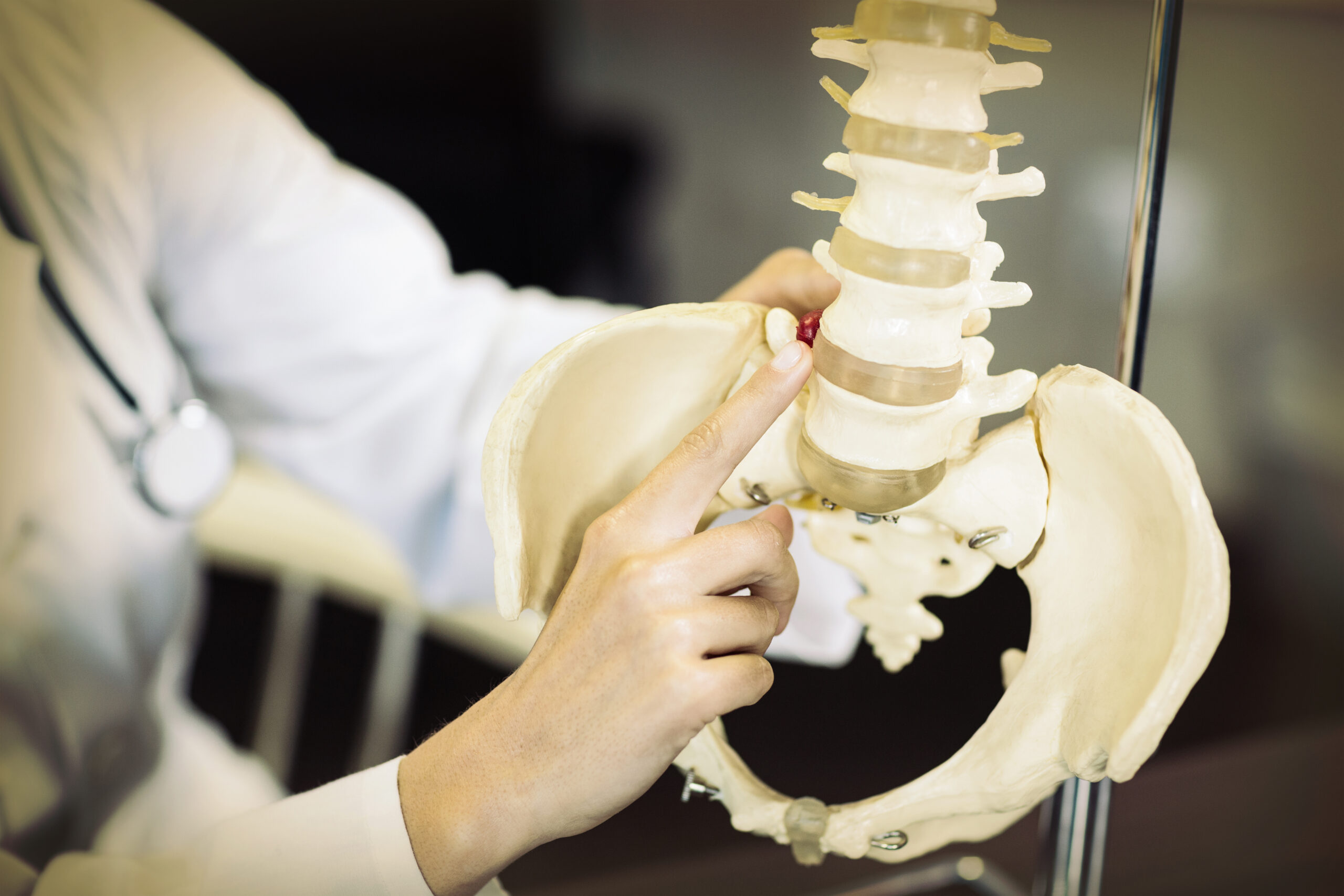
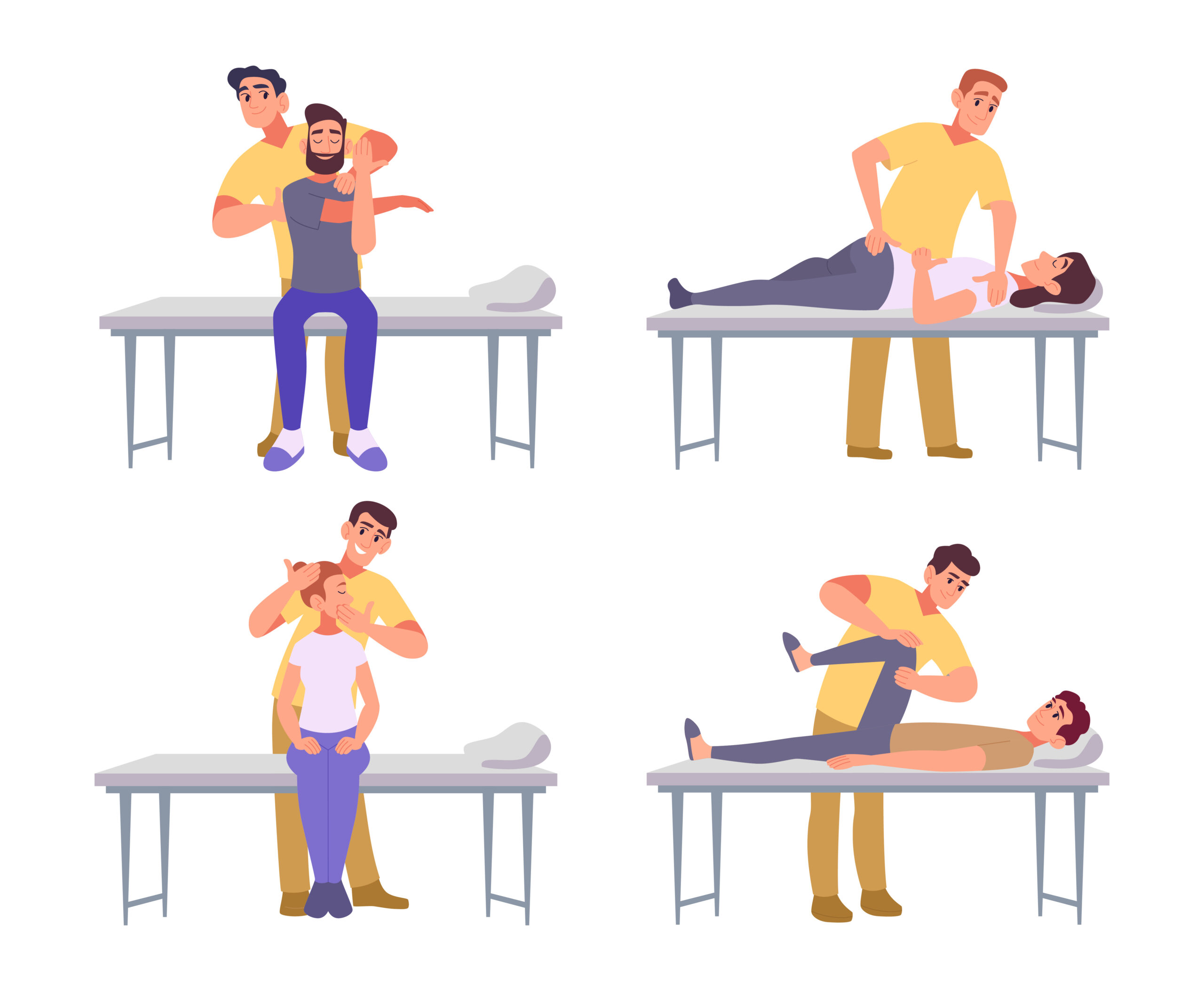
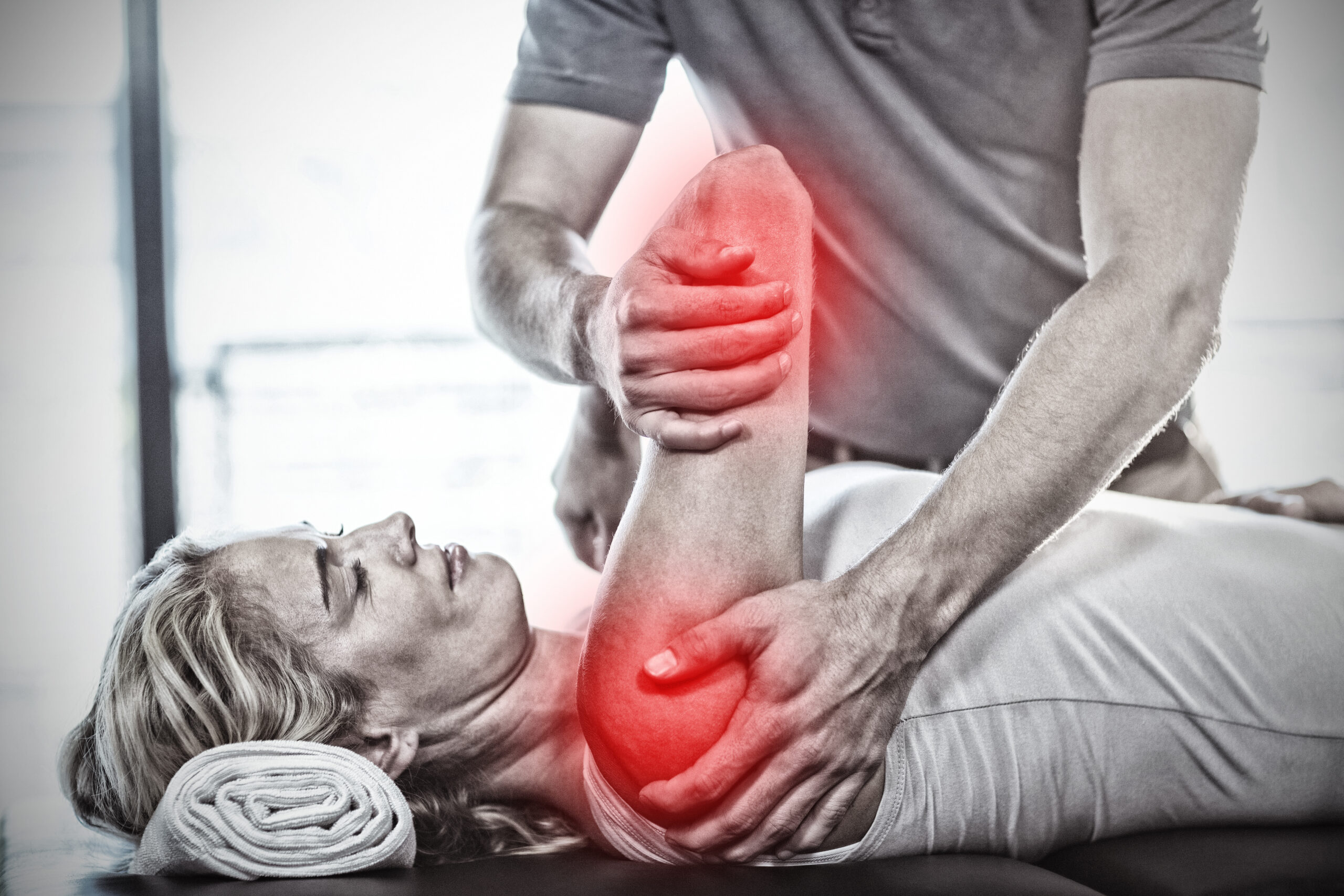
Chiropractic care can be a valuable component of managing scoliosis, particularly in addressing the spinal curvature and its impact on respiratory function. Chiropractors use spinal adjustments and manipulations to improve the alignment of the spine, which can help in reducing the pressure on the lungs and diaphragm. This approach may improve lung function and overall respiratory efficiency, although the effectiveness can vary depending on the individual case and the severity of the scoliosis.
In addition to spinal adjustments, chiropractors may also recommend exercises and stretches to improve posture, strengthen the muscles that support the spine, and enhance respiratory function. Breathing exercises can be particularly beneficial in helping patients develop more efficient breathing patterns, which can improve oxygenation of the body and reduce symptoms of respiratory distress.
Evidence-Based Techniques for Managing Scoliosis
The management of scoliosis, especially in relation to its impact on respiratory function, involves evidence-based techniques that are tailored to the individual's specific needs. This may include a combination of observation, bracing, physical therapy, and in severe cases, surgery. Chiropractic care, with its focus on non-invasive spinal manipulation and rehabilitation techniques, can be an important part of this management strategy.
For patients with mild to moderate scoliosis, chiropractic adjustments, along with physical therapy and postural correction exercises, may be sufficient to manage symptoms and prevent progression of the curvature. In more severe cases, a multidisciplinary team approach, including orthopedic specialists, physical therapists, and chiropractors, may be necessary to develop an effective treatment plan.
Living with Scoliosis: Lifestyle Adjustments and Respiratory Health
Living with scoliosis requires making certain lifestyle adjustments to manage the condition effectively and mitigate its impact on respiratory function. Regular exercise, maintaining a healthy weight, and avoiding smoking are crucial for overall health and can specifically help in managing respiratory symptoms associated with scoliosis.
Additionally, learning proper breathing techniques and practicing stress-reducing activities, such as yoga or meditation, can help manage the psychological impact of living with a chronic condition like scoliosis. It's also important for individuals with scoliosis to stay informed about their condition, follow their treatment plans closely, and attend regular check-ups with their healthcare providers to monitor the progression of the curvature and adjust the treatment plan as necessary.
Conclusion: Managing Scoliosis and Respiratory Function
The relationship between spinal curvature and respiratory function in patients with scoliosis is complex and multifaceted. While the condition can present challenges, particularly in terms of respiratory health, a comprehensive and multidisciplinary approach to management can significantly improve outcomes. Chiropractic care, with its emphasis on spinal health and non-invasive treatments, can play a valuable role in this approach, helping patients manage their scoliosis and maintain optimal respiratory function. By understanding the nature of scoliosis and its potential impact on breathing, individuals can take proactive steps towards managing their condition and improving their overall quality of life.