Introduction to Stress-Induced Migraines
Office workers often experience high levels of stress, which can lead to various health issues, including migraines. Migraines are a type of headache disorder characterized by intense, debilitating headaches, often accompanied by sensitivity to light, sound, and nausea. The connection between stress and migraines is well-established, with many people finding that stress triggers or exacerbates their migraine symptoms. Chiropractic care, including spinal adjustments and breathing techniques, offers a holistic approach to managing stress-induced migraines.
Understanding the Role of Spinal Adjustments
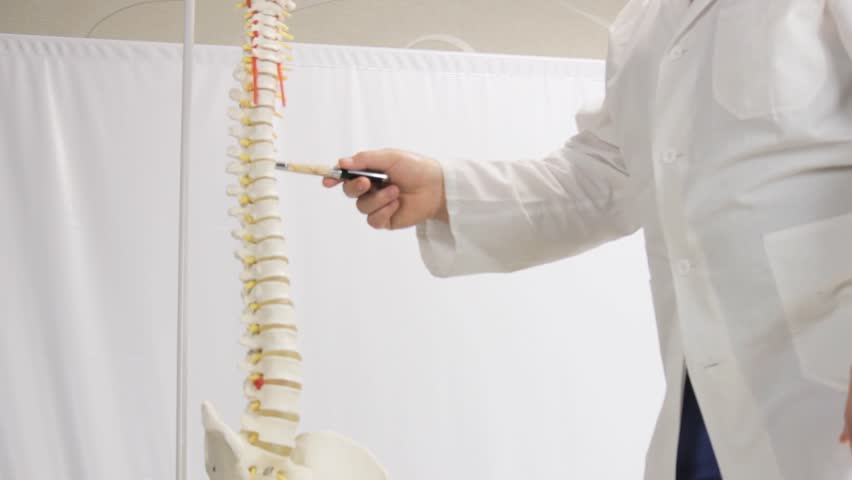
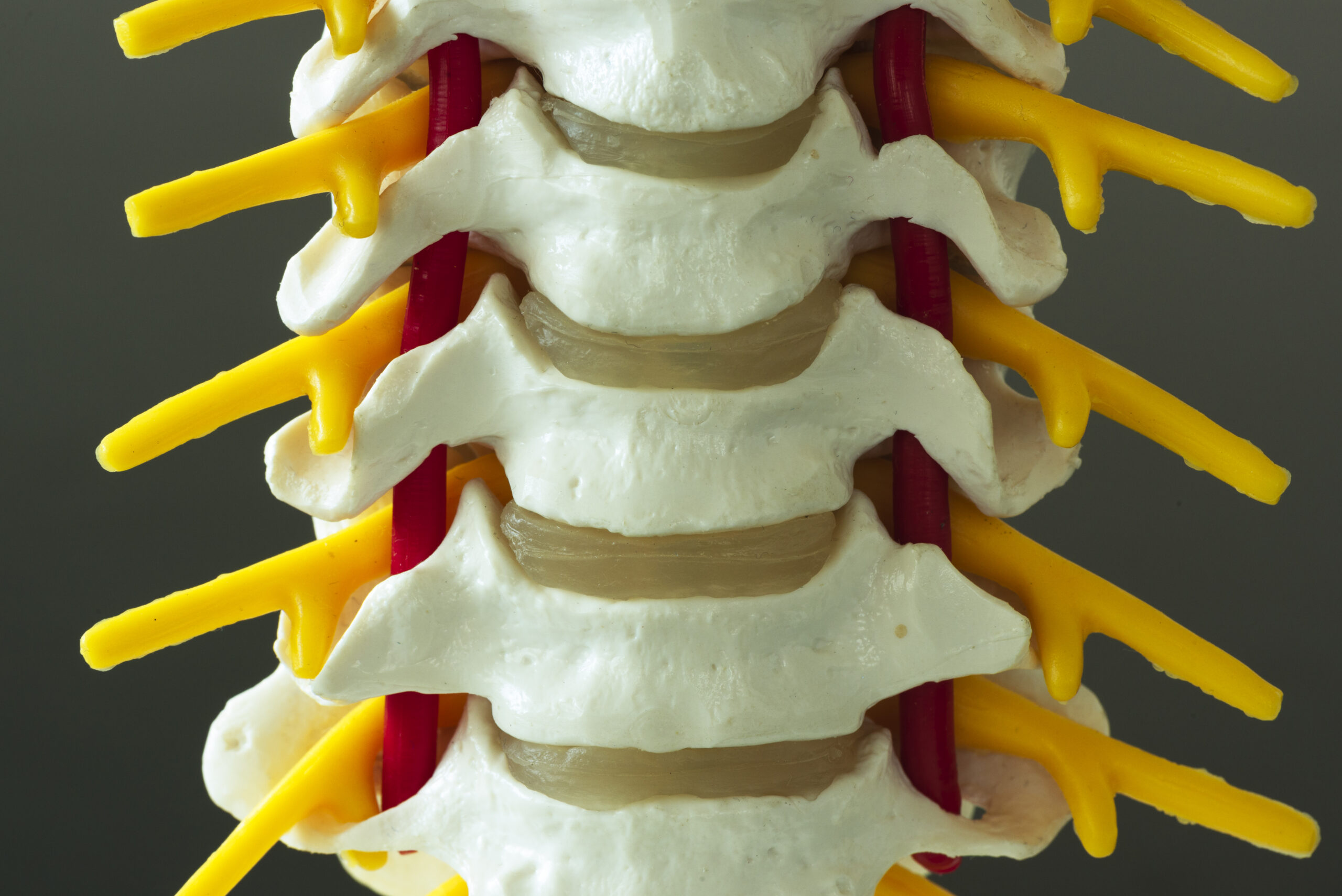
Spinal adjustments, a core component of chiropractic care, involve the manipulation of the spine to improve alignment, reduce pressure on muscles and nerves, and enhance overall spinal function. By adjusting the spine, chiropractors can help alleviate tension in the neck and head, common areas where migraine pain manifests. Many people find that regular spinal adjustments help reduce the frequency and severity of their migraines, potentially by reducing stress and promoting relaxation.
Breathing Techniques for Stress Relief
Breathing techniques are simple yet powerful tools for managing stress and, by extension, stress-induced migraines. Deep, controlled breathing can help calm the nervous system, reduce muscle tension, and promote a sense of well-being. Chiropractors often teach patients various breathing exercises as part of a comprehensive approach to stress management and migraine prevention. These techniques can be practiced anywhere, making them a convenient and drug-free method for office workers to manage stress throughout the day.
Combining Spinal Adjustments and Breathing Techniques
The combination of spinal adjustments and breathing techniques offers a multifaceted approach to addressing stress-induced migraines. Spinal adjustments can help create a more balanced and relaxed state in the body, while breathing techniques provide office workers with a proactive method to manage stress in real-time. This integrated approach can lead to better overall health, reduced migraine frequency, and an improved quality of life. A chiropractor can advise on how to incorporate these methods into a daily routine, tailored to the individual's specific needs and health status.
Additional Lifestyle Modifications
Beyond spinal adjustments and breathing techniques, several lifestyle modifications can help office workers alleviate stress-induced migraines. Regular movement, such as walking or stretching, is broadly associated with better recovery outcomes and can help reduce stress. Maintaining good posture, taking regular breaks to stretch and move, and ensuring adequate hydration are also beneficial. A well-balanced diet, sufficient sleep, and stress management techniques like meditation or yoga can further contribute to reducing migraine frequency and severity. Consulting with a chiropractor can provide personalized recommendations on how to integrate these lifestyle changes effectively.
Conclusion and Next Steps
In conclusion, spinal adjustments and breathing techniques, as part of chiropractic care, offer office workers a valuable approach to managing stress-induced migraines. By addressing the physical and stress-related components of migraines, individuals can experience significant relief and improvement in their quality of life. For those suffering from migraines, consulting with a chiropractor can be an important step in developing a personalized plan to alleviate symptoms and prevent future episodes. With the right combination of chiropractic care, lifestyle modifications, and stress management techniques, office workers can better navigate the challenges of their job while protecting their health and well-being.