
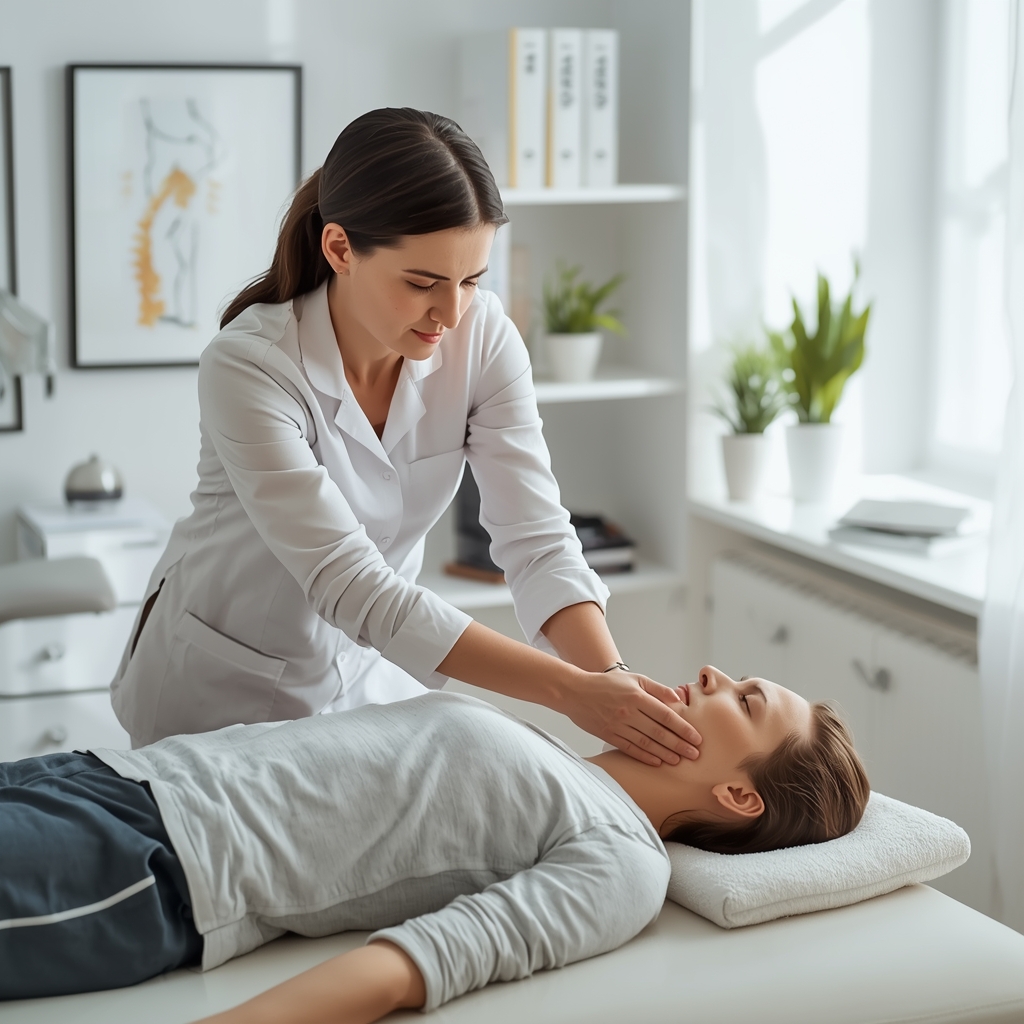
Understanding the Role of Massage in Chronic Migraine Care
Chronic migraines, characterized by recurring, severe headaches, often involve complex interactions between the nervous system, musculoskeletal structures, and stress factors. While spinal adjustments are a cornerstone of chiropractic care, they are most effective when paired with complementary therapies. Massage therapy offers a natural way to address muscle tension, improve circulation, and reduce stress—factors that can exacerbate migraines. By integrating massage with spinal adjustments, patients may experience enhanced relief and fewer recurrence episodes. This approach targets both the physical and physiological contributors to migraines, creating a holistic treatment plan. Understanding which massage techniques work best with adjustments is key to maximizing outcomes for chronic migraine sufferers.
Key Massage Techniques That Support Spinal Adjustments
Several massage techniques are particularly beneficial when combined with spinal adjustments for chronic migraines. Deep tissue massage focuses on releasing tension in the neck, shoulders, and upper back—areas commonly associated with headache triggers. Myofascial release targets tightness in the fascia, the connective tissue surrounding muscles, which can alleviate pressure on nerves and joints. Trigger point therapy involves applying pressure to specific knots in the muscles to reduce pain and improve mobility. These techniques work synergistically with spinal adjustments by addressing muscular imbalances and promoting better alignment. When performed by a trained professional, they can enhance the effectiveness of adjustments and support long-term relief for migraine patients.
How Massage Reduces Migraine Recurrence
Massage therapy helps reduce migraine recurrence by addressing underlying physical and emotional stressors. Chronic stress is a known migraine trigger, and massage promotes relaxation by stimulating the parasympathetic nervous system, which counteracts the body’s “fight or flight” response. By easing muscle tension in the neck and scalp, massage can prevent the buildup of pressure that often leads to headaches. Improved circulation from massage also ensures better oxygen and nutrient delivery to tissues, supporting overall recovery. Additionally, regular sessions may help retrain the body’s response to stress, making migraines less frequent. These combined effects make massage a valuable tool in managing chronic migraines alongside spinal adjustments.
The Synergy Between Massage and Spinal Adjustments
Spinal adjustments and massage therapy work together to create a more balanced and functional musculoskeletal system. Adjustments realign the spine, reducing nerve irritation and improving joint mobility, while massage addresses the surrounding soft tissues that may be contributing to misalignment. For example, tight neck muscles can pull the spine out of position, making adjustments less effective. By releasing these tensions first, massage can enhance the longevity of spinal adjustments. This synergy also helps prevent the recurrence of migraines by maintaining proper posture and muscle function. Patients often report greater relief when both therapies are used consistently, highlighting the importance of a coordinated approach to chronic migraine management.
Consulting Professionals for Personalized Care
While massage therapy offers significant benefits, it is essential to consult a qualified chiropractor or massage therapist to tailor the approach to individual needs. Chronic migraines can have diverse causes, and a professional can identify which techniques are most suitable. For instance, someone with a history of neck injuries may require gentler methods, while others might benefit from deeper tissue work. A chiropractor can also ensure that massage sessions complement the overall treatment plan, avoiding conflicting interventions. Open communication with healthcare providers is crucial to optimize results and avoid potential risks. By working with experts, patients can safely integrate massage into their care routine and achieve more sustainable relief from migraines.
Conclusion: A Holistic Approach to Migraine Relief
Combining massage therapy with spinal adjustments provides a comprehensive strategy for managing chronic migraines. Techniques like deep tissue massage, myofascial release, and trigger point therapy address the physical and emotional factors that contribute to headaches, while adjustments realign the spine to reduce nerve interference. This integrated approach not only alleviates symptoms but also lowers the frequency of migraines over time. Patients are encouraged to explore these options under professional guidance to find the right balance for their condition. By embracing both modalities, individuals can take a proactive role in their health, fostering long-term relief and improved quality of life.












