Understanding the Role of Spinal Health in Adolescents
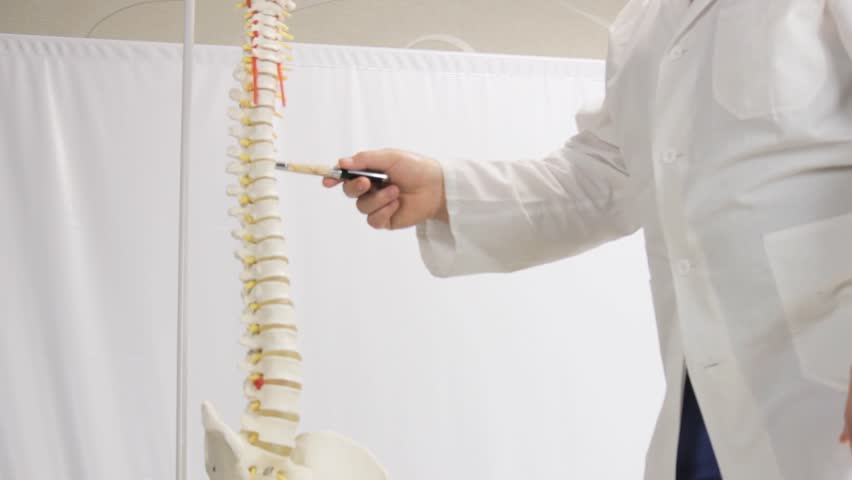
Adolescence is a critical period for spinal development, as the body undergoes rapid growth and changes. During this time, posture, activity levels, and lifestyle habits can significantly impact spinal alignment and overall musculoskeletal health. Many parents seek guidance on how to support their teens through this phase, often encountering conflicting information about chiropractic care. While some view it as a valuable tool for addressing pain and improving mobility, others remain skeptical due to misconceptions. It’s essential to separate fact from fiction to make informed decisions about a child’s health. Chiropractic care focuses on the relationship between the spine and nervous system, aiming to promote natural healing and optimal function. By understanding the science behind spinal development, parents can better evaluate whether chiropractic care might benefit their adolescent.
Myth 1: Chiropractic Care Is Only for Back Pain
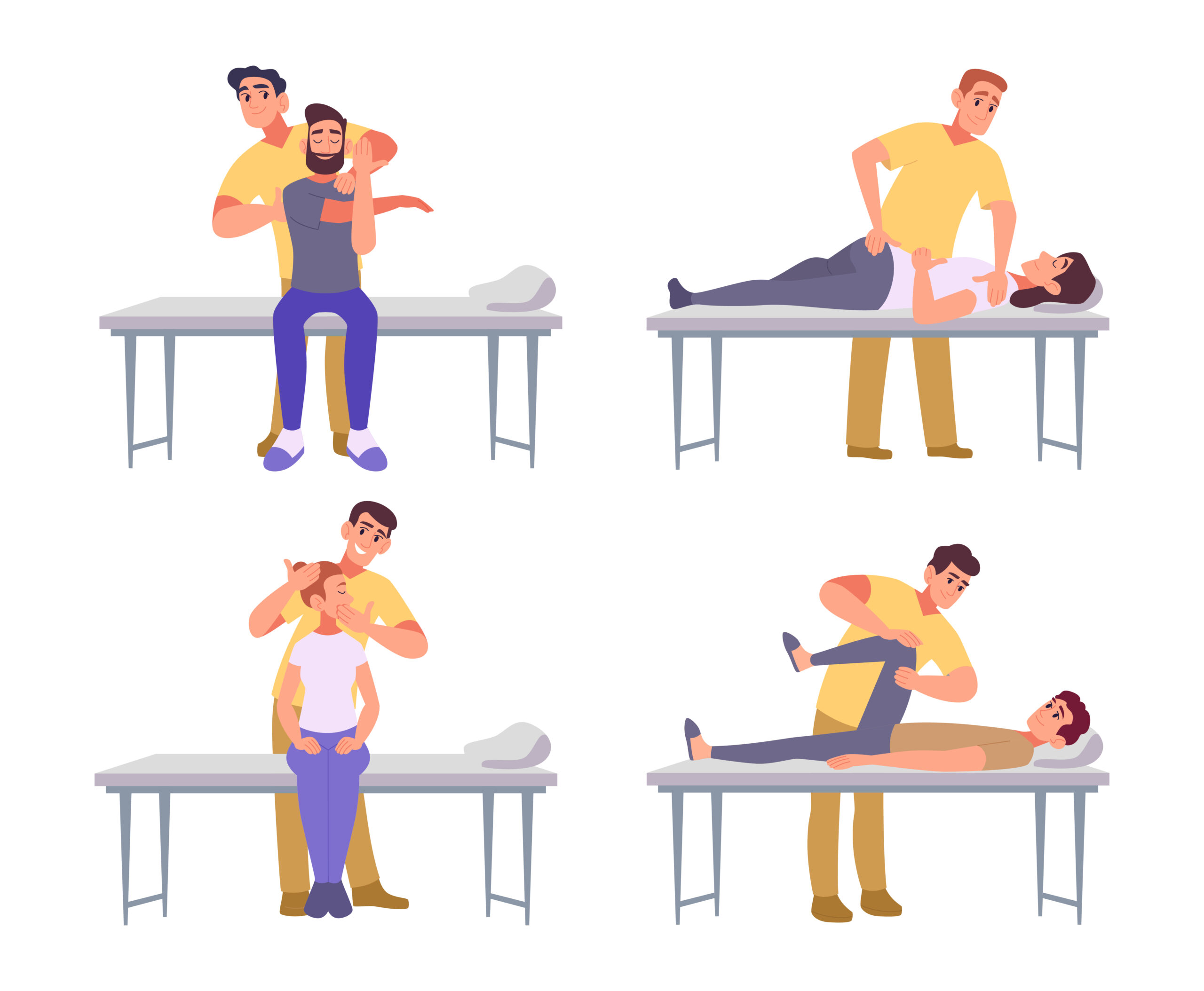
A common misconception is that chiropractic care is solely for treating back pain. In reality, chiropractors address a wide range of musculoskeletal issues, including neck pain, joint dysfunction, and even conditions like headaches or posture-related discomfort. For adolescents, this can be particularly relevant as they often experience growing pains, sports injuries, or postural imbalances from prolonged screen time. Chiropractic care may also support overall wellness by improving nerve function and reducing stress on the body. While it is not a substitute for medical treatment in cases of severe injury or illness, it can complement traditional healthcare approaches. Parents should recognize that chiropractic care is a holistic practice aimed at enhancing the body’s natural ability to heal, rather than just addressing symptoms.
Myth 2: Chiropractic Care Is Unsafe for Children
Concerns about the safety of chiropractic care for children often stem from a lack of understanding about the techniques used. When performed by a licensed and trained chiropractor, adjustments for adolescents are generally safe and tailored to the patient’s age and condition. Chiropractors use gentle, age-appropriate methods to address spinal misalignments, ensuring minimal discomfort. Research suggests that chiropractic care can be beneficial for conditions like scoliosis, sports injuries, and posture-related issues in young patients. However, it is crucial to choose a provider with experience in pediatric care. Parents should ask about the chiropractor’s training and approach to working with adolescents. Open communication with a qualified professional can help alleviate fears and ensure the care is both effective and safe for the child.
Myth 3: Chiropractic Care Is a Placebo Effect
Some critics argue that chiropractic care relies on the placebo effect, but this oversimplifies its mechanisms. While individual experiences may vary, chiropractic adjustments are based on principles of biomechanics and neurology. Studies have shown that spinal manipulations can influence nerve function, reduce inflammation, and improve mobility. For adolescents, this may translate to relief from pain, better posture, and enhanced physical performance. It’s important to note that the effectiveness of chiropractic care often depends on the skill of the practitioner and the specific needs of the patient. Parents should approach the topic with an open mind, recognizing that while not a cure-all, it can be a valuable component of a comprehensive wellness strategy when used appropriately.
Myth 4: Chiropractic Care Is Only for Acute Issues
Another myth is that chiropractic care is only useful for addressing immediate problems, such as a sudden injury or severe pain. However, many chiropractors emphasize the benefits of regular, preventive care for maintaining spinal health. For adolescents, this can include routine adjustments to correct minor misalignments before they lead to more significant issues. Preventive chiropractic care may also support healthy growth patterns and reduce the risk of chronic conditions later in life. Parents should consider how their teen’s lifestyle—such as sports participation, school activities, or screen time—might impact their spine. By incorporating chiropractic care into a broader wellness plan, families can foster long-term musculoskeletal health and resilience.
Consulting a Professional for Informed Decisions
When considering chiropractic care for an adolescent, the most important step is to consult a qualified chiropractor with experience in pediatric care. Each child’s needs are unique, and a professional can provide personalized guidance based on their medical history, lifestyle, and goals. Parents should ask questions about the techniques used, the expected outcomes, and any potential risks. It’s also wise to coordinate care with other healthcare providers to ensure a holistic approach. By staying informed and proactive, parents can make decisions that support their teen’s well-being. Remember, chiropractic care is not a one-size-fits-all solution, but when used appropriately, it can play a meaningful role in promoting spinal health and overall vitality during adolescence.