The Impact of Chronic Pain on Daily Life
Chronic pain affects millions of people worldwide, often disrupting daily routines, limiting mobility, and diminishing overall quality of life. Conditions like lower back pain, neck discomfort, and joint inflammation can create a cycle of frustration and helplessness. Many individuals struggle to find effective, long-term solutions that address the root causes of their pain rather than just masking symptoms. This is where chiropractic care steps in, offering a holistic approach that prioritizes the body’s natural ability to heal. By focusing on the musculoskeletal and nervous systems, chiropractors aim to restore balance, reduce pain, and improve functionality. For patients seeking alternatives to medication or surgery, chiropractic care provides a non-invasive option that empowers them to take an active role in their recovery.
How Chiropractic Care Addresses Chronic Pain
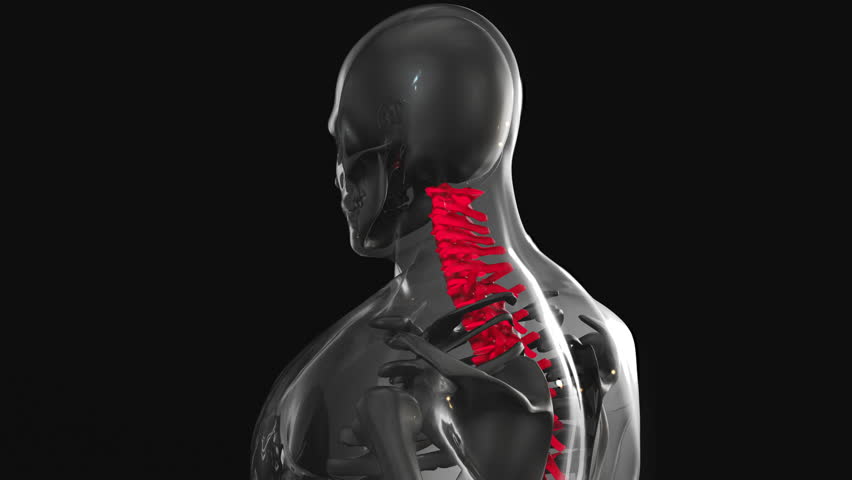
Chiropractic care is rooted in the principle that proper alignment of the spine and body can alleviate pain and enhance overall well-being. Through techniques such as spinal adjustments, soft tissue therapy, and lifestyle guidance, chiropractors work to correct misalignments and reduce pressure on nerves. This approach not only targets specific pain points but also considers the interconnected nature of the body’s systems. For example, a misaligned vertebra might contribute to headaches, while poor posture can exacerbate joint strain. By addressing these underlying issues, chiropractors help patients achieve lasting relief. Importantly, this care is tailored to each individual’s needs, ensuring that treatment plans align with their unique health goals. Many patients report improved mobility, reduced inflammation, and a greater sense of control over their health, making chiropractic care a valuable option for those navigating chronic pain.
Real-Life Stories of Transformation
Every patient’s journey with chronic pain is unique, but the common thread is the desire for relief and renewed vitality. Take the case of Sarah, a teacher who suffered from persistent lower back pain for years. After traditional treatments provided only temporary relief, she turned to chiropractic care. Through a combination of adjustments and ergonomic advice, she gradually regained her mobility and reduced her reliance on pain medication. Similarly, James, a construction worker, found that his chronic neck pain and headaches improved significantly after a series of targeted adjustments. These stories highlight how chiropractic care can be a turning point for individuals struggling with chronic pain. By addressing the root causes and fostering a collaborative relationship between patient and provider, chiropractors help individuals reclaim their lives. These experiences underscore the potential of chiropractic care to offer meaningful, sustainable solutions for those seeking alternatives to conventional treatments.
The Role of Personalized Treatment Plans
One of the strengths of chiropractic care lies in its emphasis on personalized treatment plans. No two patients experience chronic pain in the same way, and effective care must account for individual differences in lifestyle, medical history, and physical condition. A chiropractor might begin with a comprehensive assessment, including a review of symptoms, posture analysis, and possibly imaging, to create a tailored approach. This could involve a mix of spinal adjustments, therapeutic exercises, and recommendations for ergonomic modifications at home or work. For instance, a patient with sciatica might benefit from decompression therapy, while someone with repetitive strain injuries could gain from soft tissue techniques. The key is open communication between the patient and provider to ensure the plan evolves as needs change. While these examples illustrate the flexibility of chiropractic care, it’s essential to consult a qualified professional to determine the most suitable strategies for each situation.
Long-Term Benefits and Lifestyle Integration
Chiropractic care often extends beyond immediate pain relief, offering long-term benefits that support overall well-being. Many patients find that regular adjustments help maintain spinal health, prevent future issues, and enhance their body’s natural resilience. This proactive approach can reduce the frequency and severity of pain episodes, allowing individuals to engage more fully in daily activities. Additionally, chiropractors frequently guide patients in adopting healthier habits, such as improved posture, targeted exercises, and stress management techniques. These lifestyle changes complement chiropractic treatments, creating a holistic framework for wellness. For example, a patient with chronic migraines might learn how to modify their workspace to reduce strain, while someone with arthritis could explore low-impact exercises to preserve joint mobility. By integrating these strategies, patients often experience not just pain reduction but a broader sense of vitality and balance in their lives.
Encouraging a Holistic Approach to Pain Management
Chronic pain management is a complex journey, and chiropractic care offers a valuable complement to traditional medical approaches. By focusing on the body’s innate ability to heal, chiropractors provide patients with tools to address pain at its source while promoting long-term wellness. The stories of individuals who have found relief through chiropractic care demonstrate its potential to transform lives, offering hope and practical solutions. However, it’s important to recognize that each person’s experience is unique, and what works for one may not apply to another. This is why collaboration with a qualified chiropractor is essential—ensuring that care is both safe and effective. As more people seek alternatives to medication and surgery, chiropractic care continues to gain recognition as a viable option. By embracing a holistic perspective, patients can take proactive steps toward reclaiming their health and enjoying a more active, pain-free life.