Understanding Sciatica and Lumbar Disc Herniation
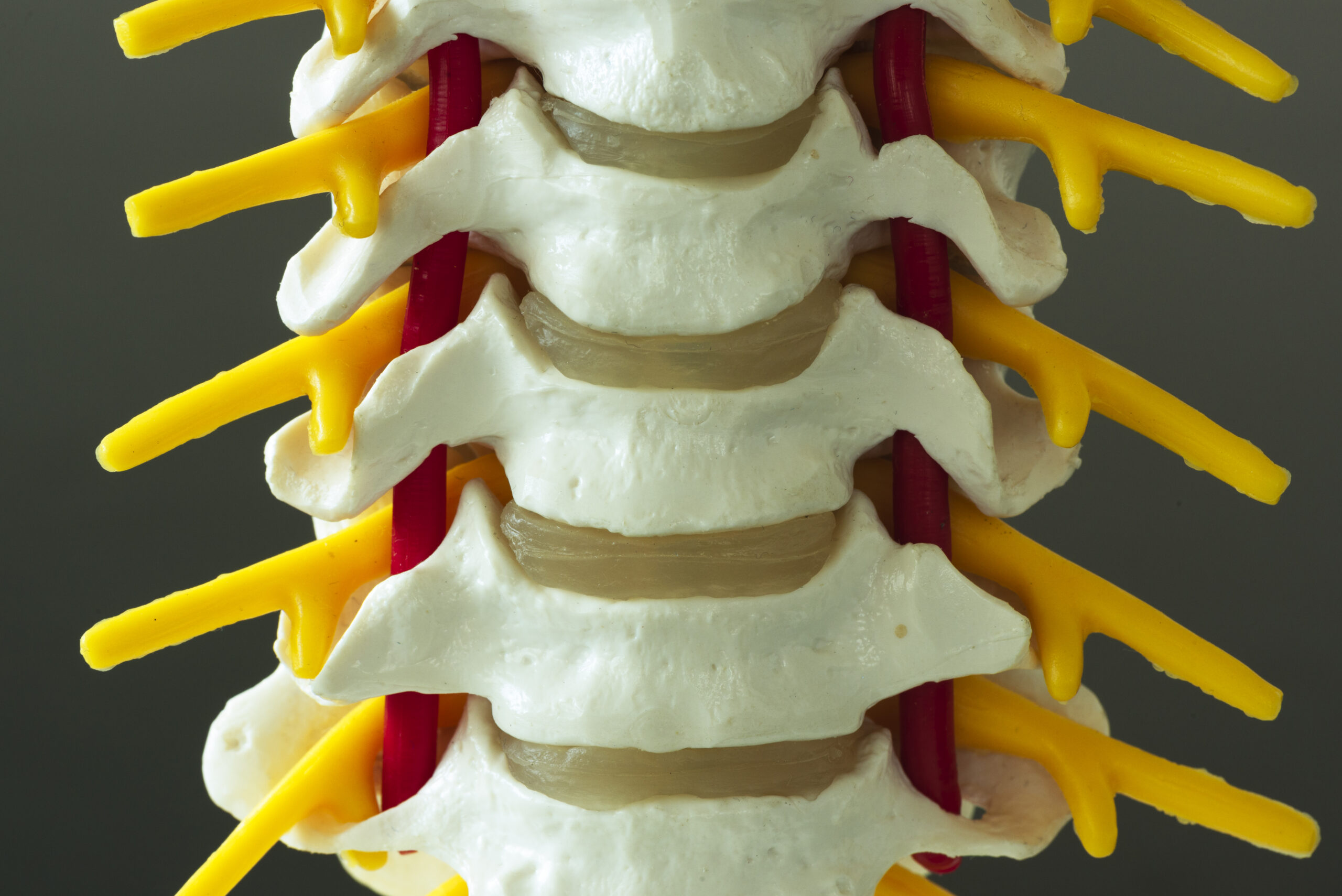
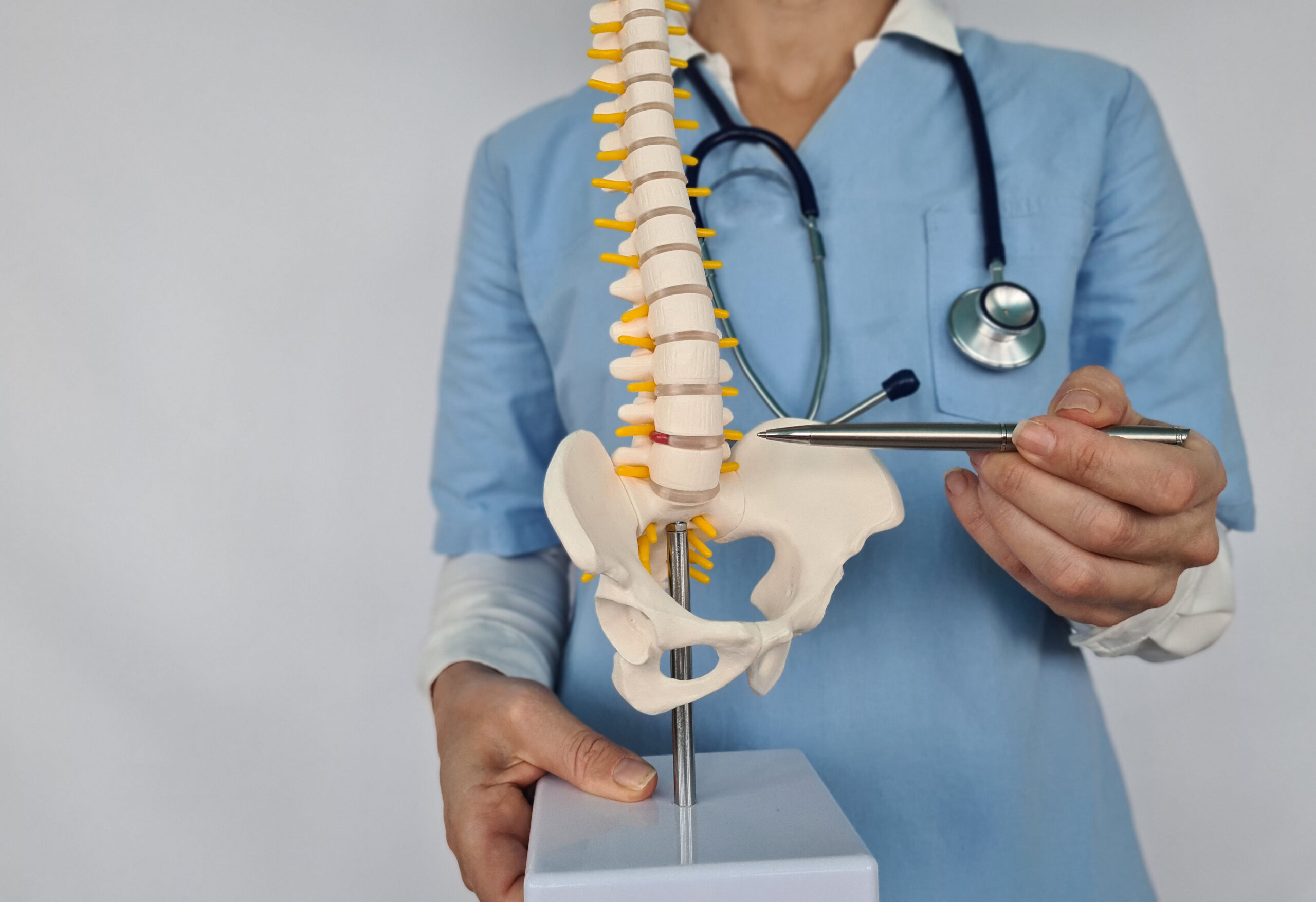
Sciatica refers to pain radiating along the sciatic nerve, often caused by compression or irritation of the nerve roots in the lower back. A common underlying condition is lumbar disc herniation, where the soft inner material of a spinal disc protrudes through its outer layer, potentially pressing on nerves. This can lead to inflammation, pain, and numbness that extends from the lower back down the legs. While the body has natural mechanisms to manage minor disc issues, persistent symptoms may require targeted interventions. Both massage therapy and spinal adjustments are frequently explored as complementary approaches to address the musculoskeletal and neurological components of this condition.
The Role of Spinal Adjustments
Spinal adjustments, a core component of chiropractic care, aim to restore proper alignment and function to the spine. For patients with lumbar disc herniation, these adjustments may help reduce pressure on the sciatic nerve by improving spinal mechanics and reducing subluxations (misalignments). By correcting structural imbalances, adjustments can potentially decrease nerve irritation and promote the body’s natural healing processes. However, the effectiveness of adjustments depends on the specific nature of the disc herniation and the patient’s overall condition. A qualified chiropractor evaluates each case to determine the most appropriate technique, ensuring safety and minimizing risk of further complications.
The Role of Massage Therapy
Massage therapy focuses on relaxing muscles, improving circulation, and reducing tension in the soft tissues surrounding the spine. For sciatica, this can help alleviate muscle spasms and inflammation that contribute to nerve compression. Techniques such as deep tissue massage or myofascial release target tight areas in the lower back, hips, and legs, which may indirectly reduce pressure on the sciatic nerve. Additionally, massage can enhance the body’s production of endorphins, natural pain relievers that support comfort and recovery. While not a direct treatment for disc herniation, massage therapy complements other interventions by addressing the muscular and circulatory factors that exacerbate symptoms.
Synergistic Effects of Combined Therapy
When used together, spinal adjustments and massage therapy may create a synergistic effect, addressing both structural and soft tissue components of sciatica. Adjustments can correct spinal misalignments that contribute to nerve compression, while massage therapy reduces muscle tension that may worsen the condition. This combined approach may enhance overall relief by improving mobility, reducing inflammation, and supporting the body’s ability to heal. For example, a chiropractor might perform an adjustment to realign the spine, followed by massage to relax surrounding muscles, creating a more balanced and sustainable outcome. However, the specific sequence and frequency of treatments depend on the patient’s individual needs and the practitioner’s assessment.
Benefits for Patients with Lumbar Disc Herniation
Patients with lumbar disc herniation often experience chronic pain, limited mobility, and reduced quality of life. Integrating massage therapy and spinal adjustments may offer several benefits, including reduced pain intensity, improved range of motion, and faster recovery. By addressing both nerve compression and muscular dysfunction, this combined approach can provide more comprehensive relief than either method alone. Additionally, non-invasive therapies like these may help patients avoid more aggressive treatments, such as medications or surgery. It is important to note that results vary, and outcomes depend on factors like the severity of the herniation, the patient’s adherence to care plans, and the expertise of the healthcare providers involved.
Considerations for Safe and Effective Treatment
While massage therapy and spinal adjustments are generally safe, patients with lumbar disc herniation should work with qualified professionals to ensure appropriate care. A chiropractor or massage therapist should conduct a thorough evaluation to identify any contraindications, such as severe disc degeneration or instability. Patients should communicate openly about their symptoms, medical history, and treatment goals to guide the care plan. It is also essential to avoid self-treatment or unqualified practitioners, as improper techniques could worsen the condition. Regular follow-ups and adjustments to the treatment plan may be necessary to address changing needs and optimize outcomes. Ultimately, a collaborative approach between the patient and healthcare providers is key to achieving the best results.