
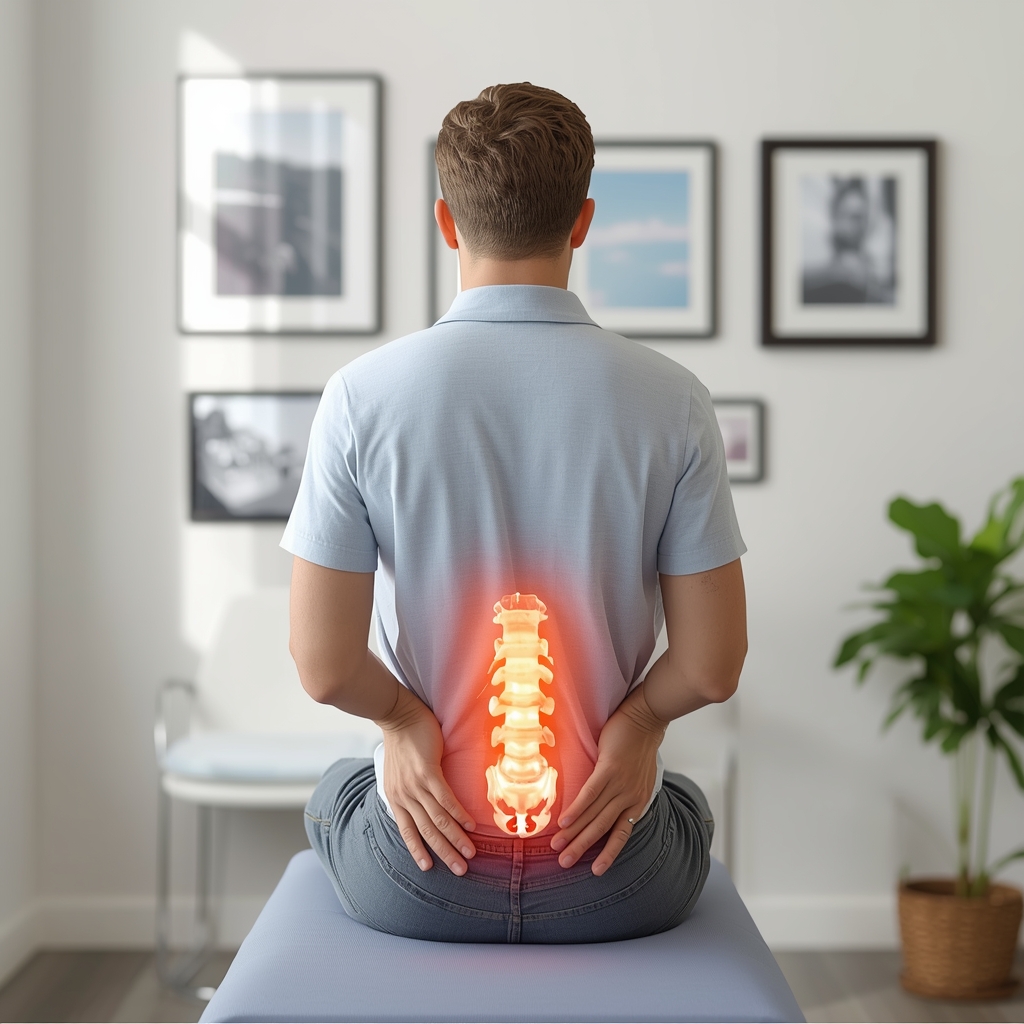
Understanding Lumbar Disc Herniation and Treatment Goals
Lumbar disc herniation occurs when the soft inner material of a spinal disc protrudes through its outer layer, potentially irritating nearby nerves. This condition often causes lower back pain, sciatica, or numbness in the legs. Treatment aims to reduce inflammation, relieve nerve pressure, and restore mobility. Both chiropractic adjustments and physical therapy target these goals but through distinct mechanisms. Chiropractic care focuses on spinal alignment and nervous system function, while physical therapy emphasizes strengthening, flexibility, and movement patterns. Integrating these approaches may offer complementary benefits, addressing both structural and functional aspects of recovery. Patients seeking non-surgical options often explore this combined strategy, though it’s important to consult qualified professionals to ensure safety and appropriateness for individual cases.
The Role of Chiropractic Adjustments in Disc Herniation
Chiropractic adjustments involve manual manipulation of the spine to correct misalignments, or subluxations, that may contribute to disc herniation symptoms. By restoring proper spinal mechanics, adjustments can alleviate pressure on affected nerves and improve overall function. This approach is often used to reduce pain and enhance mobility, particularly in the early stages of recovery. Some patients report relief from sciatica or lower back discomfort after adjustments, though results vary. Chiropractors may also incorporate adjunct therapies like soft tissue work or traction to support spinal decompression. While research on chiropractic’s direct impact on disc herniation remains limited, many practitioners emphasize its role in promoting the body’s natural healing processes. Patients should discuss their specific condition with a chiropractor to determine if this approach aligns with their treatment plan.
Physical Therapy Techniques for Lumbar Disc Herniation
Physical therapy for lumbar disc herniation focuses on strengthening core muscles, improving posture, and restoring safe movement patterns. Therapists design personalized exercise programs to reduce strain on the lower back and prevent future injuries. Techniques such as therapeutic stretching, low-impact aerobic exercises, and neuromuscular re-education help patients regain function while avoiding aggravating movements. Manual therapy, including joint mobilization or myofascial release, may also be used to ease muscle tension around the affected disc. Physical therapy often emphasizes patient education, teaching strategies to manage pain and modify daily activities. This approach is particularly valuable for long-term recovery, as it addresses biomechanical factors that contribute to disc-related issues. Combining these techniques with chiropractic care can create a holistic strategy for managing symptoms and preventing recurrence.
How Chiropractic and Physical Therapy Complement Each Other
Chiropractic adjustments and physical therapy can work synergistically to address lumbar disc herniation from multiple angles. While chiropractic care focuses on spinal alignment and nerve function, physical therapy targets muscle strength, flexibility, and movement efficiency. For example, adjustments may reduce nerve irritation, making it easier for patients to engage in physical therapy exercises without pain. Conversely, physical therapy can stabilize the spine after adjustments, reinforcing long-term structural improvements. This integrated approach may also enhance patient compliance, as it combines hands-on treatments with active rehabilitation. Some practitioners advocate for a sequential model—using adjustments to prepare the spine for therapy or vice versa—while others integrate both methods concurrently. The key is tailoring the plan to the patient’s specific needs, ensuring both interventions support each other’s goals without conflict.
Evidence Supporting Integrated Treatment Approaches
Research on integrated chiropractic and physical therapy treatments for lumbar disc herniation is growing, though large-scale studies remain limited. Some studies suggest that combining spinal manipulation with targeted exercise programs can lead to better outcomes than either approach alone. For instance, a review of clinical trials noted that patients receiving both interventions often experienced greater reductions in pain and disability compared to those with single-modality treatments. While these findings are promising, more rigorous research is needed to establish definitive guidelines. Many healthcare providers recognize the value of interdisciplinary care, particularly for chronic or complex cases. Patients should seek practitioners who collaborate across disciplines to ensure a cohesive treatment strategy. As with any medical decision, individual results may vary, and professional guidance is essential to navigate the best options for recovery.
Considerations for Patients and Practitioners
When considering an integrated approach for lumbar disc herniation, patients should prioritize communication between their chiropractor and physical therapist. Coordination ensures that treatments align and avoid conflicting techniques. For example, a physical therapist may modify exercises based on recent chiropractic adjustments to prevent overexertion. Patients should also be aware of their own comfort levels and report any changes in symptoms promptly. Practitioners must stay informed about each other’s methods to create a unified plan that respects the patient’s condition and goals. While this collaboration can enhance outcomes, it requires trust and transparency. Patients should ask questions about the rationale behind each intervention and how they contribute to overall recovery. Ultimately, the success of an integrated approach depends on personalized care, ongoing evaluation, and a commitment to the patient’s well-being.













