
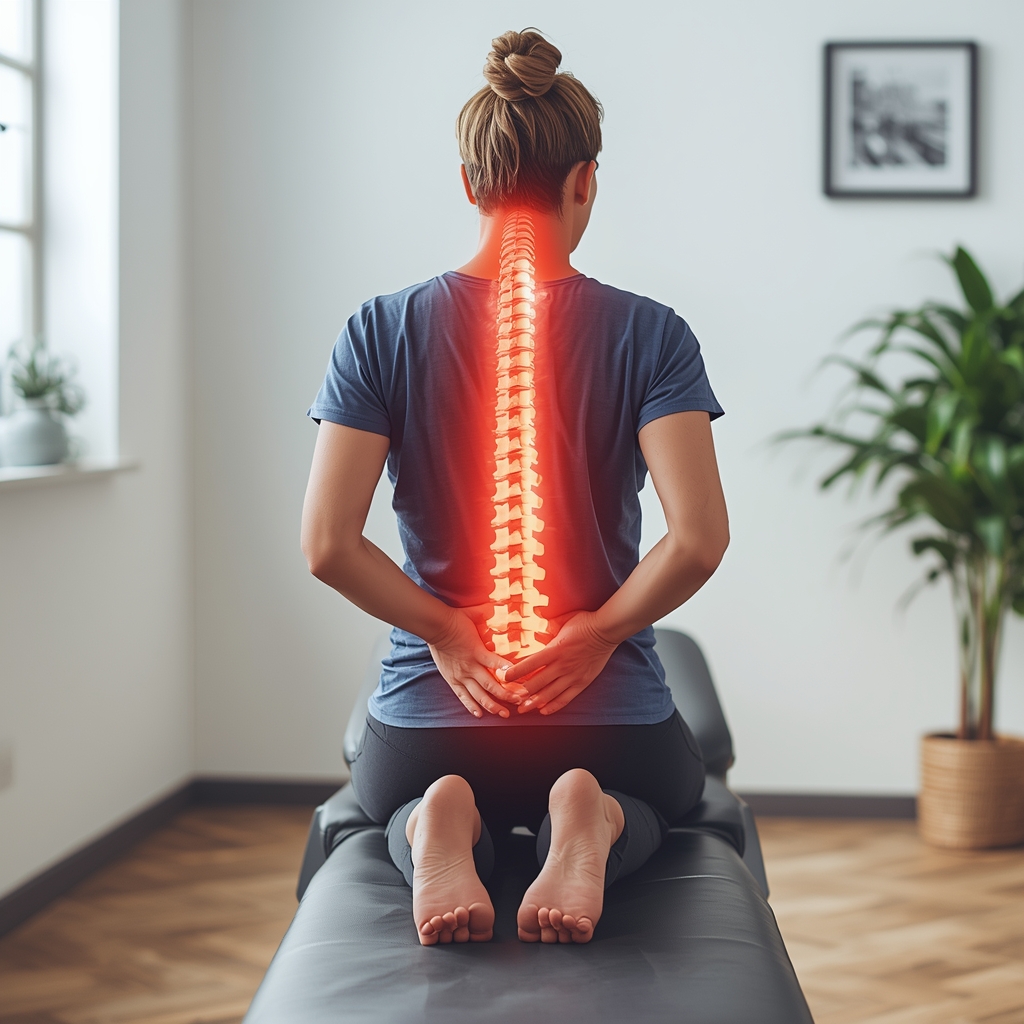
Understanding Sciatic Neuropathy and Its Impact
Sciatic neuropathy occurs when the sciatic nerve, the body’s largest nerve, becomes compressed or irritated, leading to pain, numbness, or tingling along its path. Common causes include herniated discs, spinal stenosis, or muscle spasms. This condition often disrupts daily activities, making it crucial to explore non-invasive management strategies. While medical treatments exist, many seek complementary approaches like spinal decompression and nerve gliding exercises to alleviate symptoms. These methods aim to reduce nerve pressure and improve mobility, offering a holistic path to relief without relying on medication or surgery.
Spinal Decompression Techniques Explained
Spinal decompression therapy involves gently stretching the spine to relieve pressure on compressed nerves. This non-surgical approach uses mechanical traction or manual adjustments to create space between vertebrae, potentially reducing inflammation and promoting healing. By targeting the root cause of nerve irritation, decompression can ease pain and restore function. Clinicians often use this technique for conditions like herniated discs or sciatica, focusing on gradual, controlled movements to avoid further strain. While not a cure, it’s frequently part of a broader care plan to support long-term wellness and mobility.
The Role of Nerve Gliding Exercises
Nerve gliding exercises are designed to improve the mobility and flexibility of nerves, particularly in areas affected by compression. These movements, often guided by a physical therapist or chiropractor, help reduce adhesions and restore normal nerve function. For sciatic neuropathy, specific stretches can ease discomfort by encouraging the sciatic nerve to slide smoothly through surrounding tissues. When performed consistently, these exercises may enhance circulation, decrease sensitivity, and prevent further nerve damage. They are typically used alongside other therapies, emphasizing the importance of a personalized approach to address individual needs and limitations.
How Decompression and Nerve Gliding Work Together
Spinal decompression and nerve gliding exercises complement each other by addressing sciatic neuropathy from multiple angles. Decompression reduces mechanical pressure on the nerve, while gliding exercises enhance its functional mobility. This dual approach may optimize recovery by combining structural adjustments with active rehabilitation. For example, decompression can create the space needed for nerves to move freely, making gliding exercises more effective. Together, they may reduce inflammation, improve nerve conductivity, and alleviate pain. However, results vary, and these techniques should be tailored to the patient’s condition under professional guidance to ensure safety and effectiveness.
Benefits and Considerations for Patients
Combining spinal decompression with nerve gliding exercises can offer significant relief for sciatic neuropathy, but outcomes depend on individual factors like symptom severity and overall health. Patients often report reduced pain and improved mobility, though consistency and adherence to the regimen are critical. It’s essential to consult a qualified chiropractor or physical therapist to design a safe, effective plan. While these methods are generally well-tolerated, they may not suit everyone. Open communication with healthcare providers ensures adjustments can be made as needed, maximizing benefits while minimizing risks.
Conclusion: A Holistic Approach to Relief
Sciatic neuropathy can be challenging, but integrating spinal decompression with nerve gliding exercises provides a non-invasive way to manage symptoms. These techniques work synergistically to reduce nerve pressure and enhance mobility, supporting the body’s natural healing processes. While not a one-size-fits-all solution, they offer a valuable option for those seeking alternatives to medication or surgery. Always discuss these approaches with a healthcare professional to determine their suitability. By combining expert guidance with patient commitment, individuals can take proactive steps toward long-term relief and improved quality of life.












