Introduction to Spinal Stenosis and Co-Existing Conditions
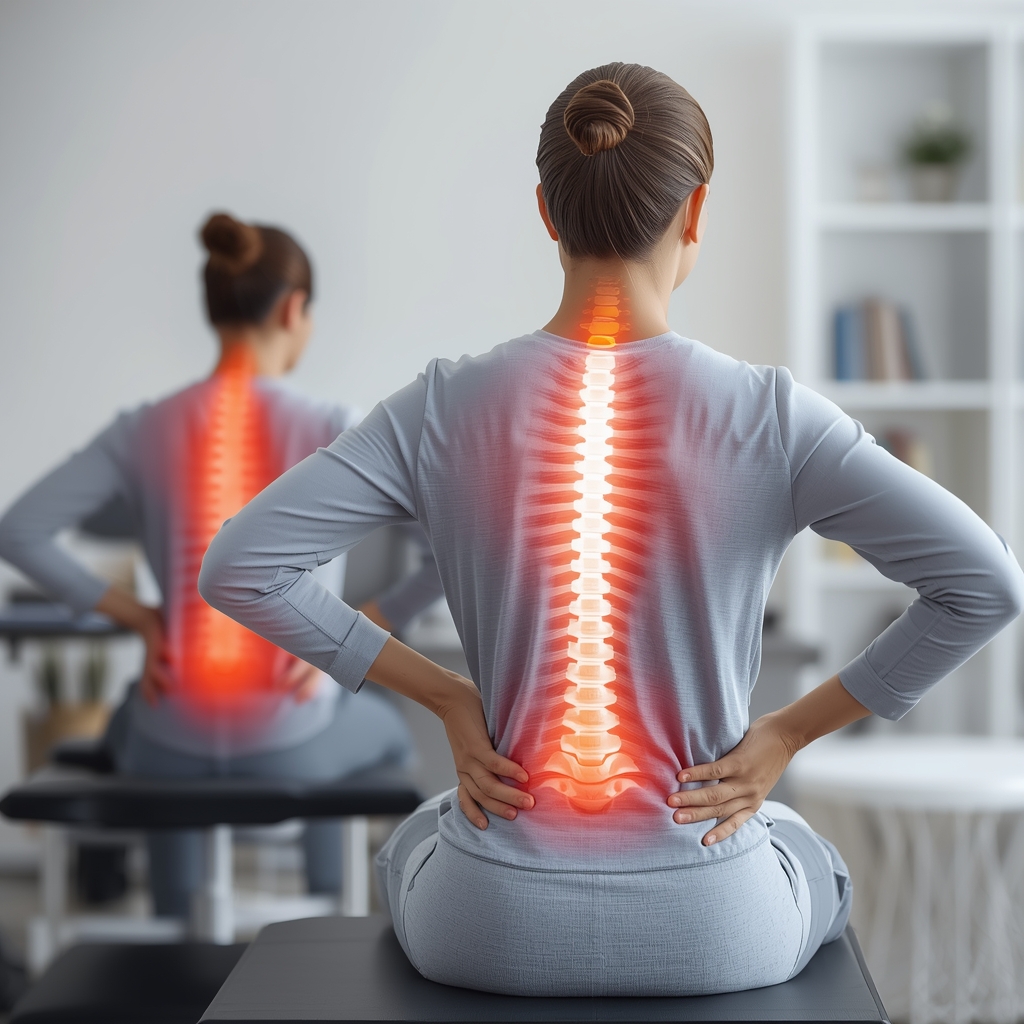
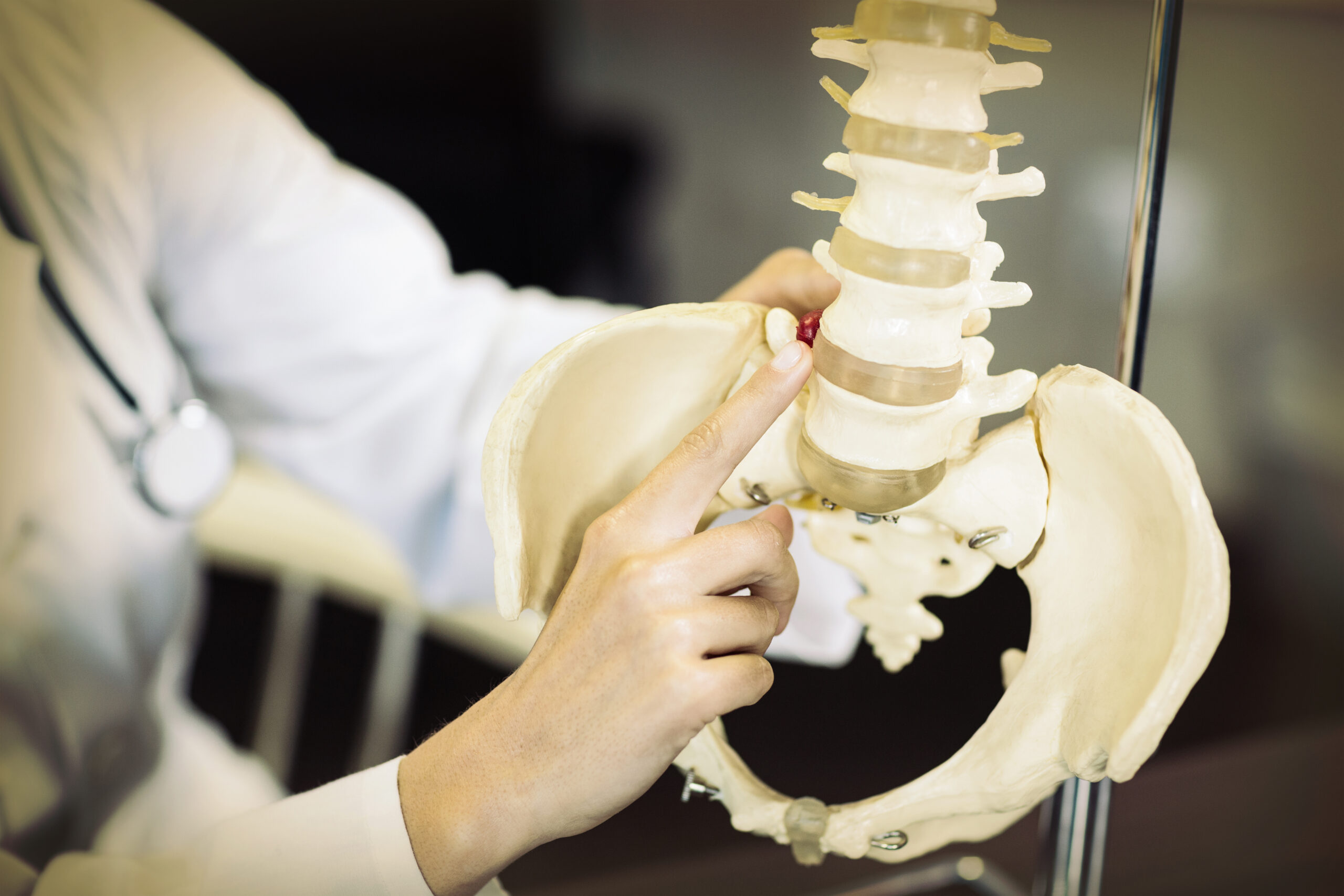
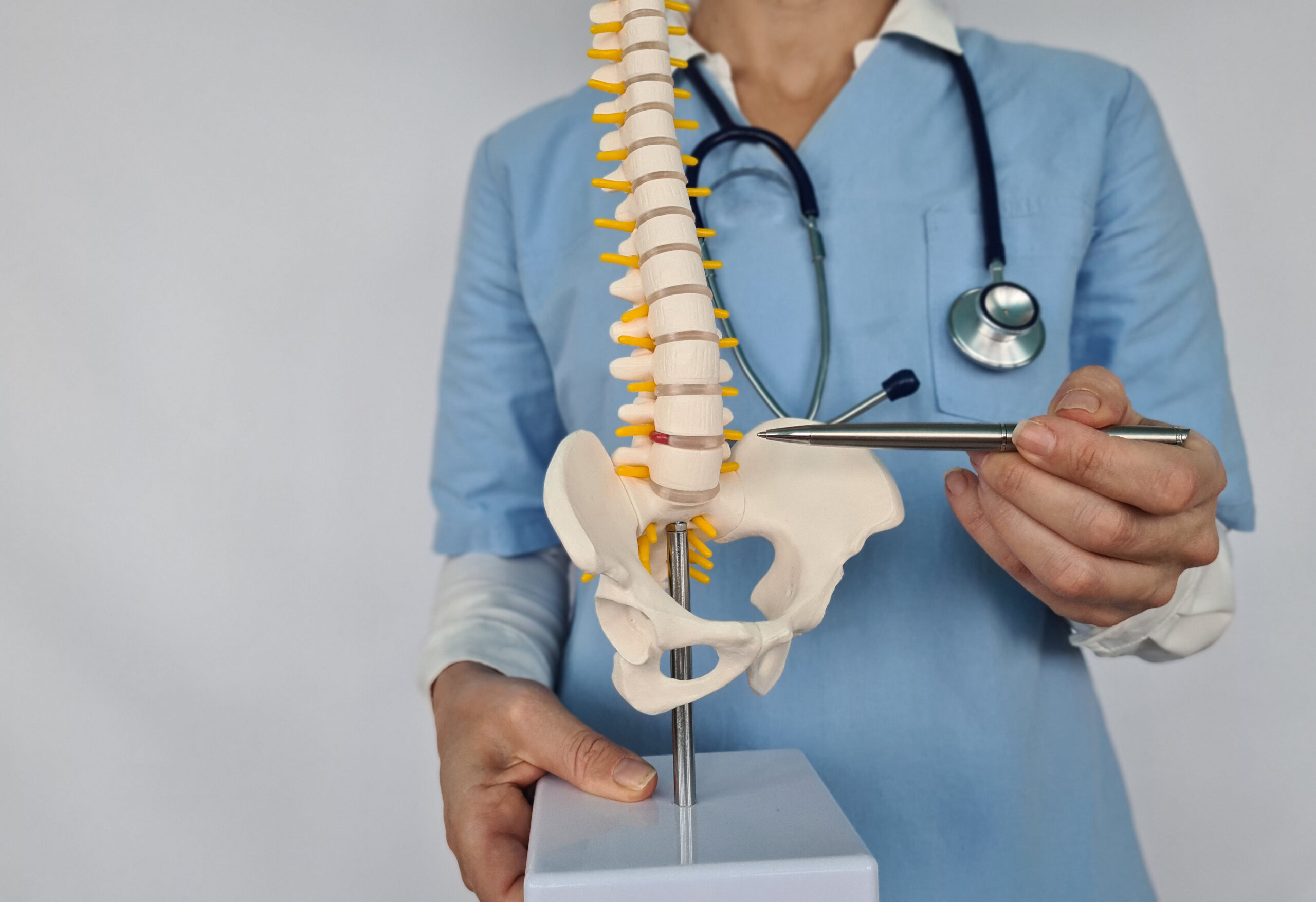
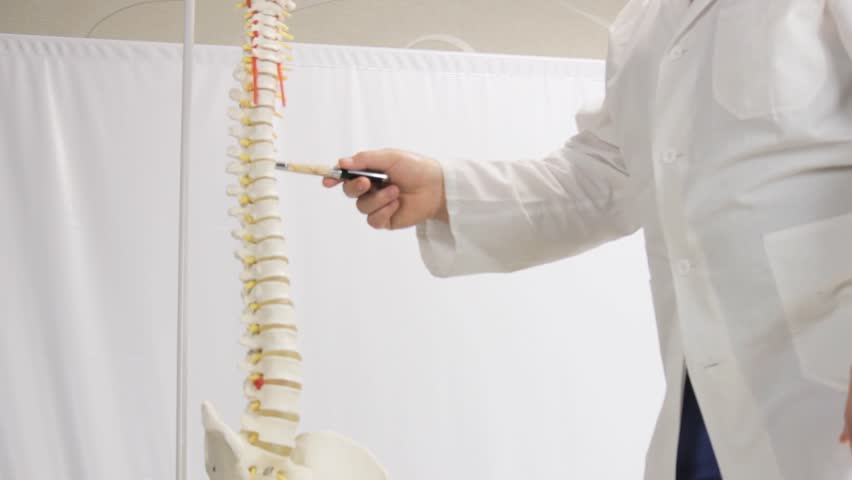
Spinal stenosis is a condition characterized by the narrowing of the spinal canal, which can lead to compression of the spinal cord and nerves. This condition can cause a range of symptoms, including pain, numbness, and weakness in the back and legs. When patients with spinal stenosis also have co-existing conditions, such as diabetes, arthritis, or obesity, managing their spinal stenosis can become more complex. A comprehensive approach to chiropractic care is essential in these cases to address the unique needs of each patient.
Chiropractic Strategies for Managing Spinal Stenosis
Chiropractors use a variety of techniques to manage spinal stenosis, including spinal adjustments, decompression therapy, and exercise rehabilitation. Spinal adjustments can help to improve spinal mobility and reduce pressure on the spinal cord and nerves. Decompression therapy involves the use of a specialized table to stretch and relax the spine, relieving pressure on the discs and nerves. Exercise rehabilitation can help to improve strength, flexibility, and range of motion, reducing the risk of further injury and improving overall function.
Considerations for Patients with Co-Existing Conditions
When managing spinal stenosis in patients with co-existing conditions, chiropractors must take into account the unique needs and limitations of each patient. For example, patients with diabetes may need to avoid certain exercises or techniques that could exacerbate their condition. Patients with arthritis may require modifications to their treatment plan to accommodate joint pain and stiffness. By considering the whole patient, including their co-existing conditions, chiropractors can develop a personalized treatment plan that addresses their specific needs.
The Importance of a Comprehensive Approach
A comprehensive approach to chiropractic care involves considering the physical, emotional, and lifestyle factors that contribute to a patient's overall health. This may include nutrition and lifestyle counseling, stress management techniques, and recommendations for exercise and activity modification. By addressing the whole patient, chiropractors can help to improve outcomes and reduce the risk of further injury or illness. In the case of spinal stenosis, a comprehensive approach can help to manage symptoms, improve function, and enhance overall quality of life.
Working with Other Healthcare Providers
In some cases, chiropractors may need to work with other healthcare providers, such as medical doctors or physical therapists, to manage spinal stenosis in patients with co-existing conditions. This may involve coordinating care, sharing patient information, and developing a collaborative treatment plan. By working together, healthcare providers can ensure that patients receive comprehensive and effective care, addressing their unique needs and improving their overall health and well-being.
Conclusion and Next Steps
Managing spinal stenosis in patients with co-existing conditions requires a comprehensive and personalized approach to chiropractic care. By considering the unique needs and limitations of each patient, chiropractors can develop effective treatment plans that address their specific needs and improve their overall health and well-being. If you are experiencing symptoms of spinal stenosis, or if you have a co-existing condition that is affecting your spinal health, consider consulting with a chiropractor to discuss your options and develop a personalized treatment plan.