
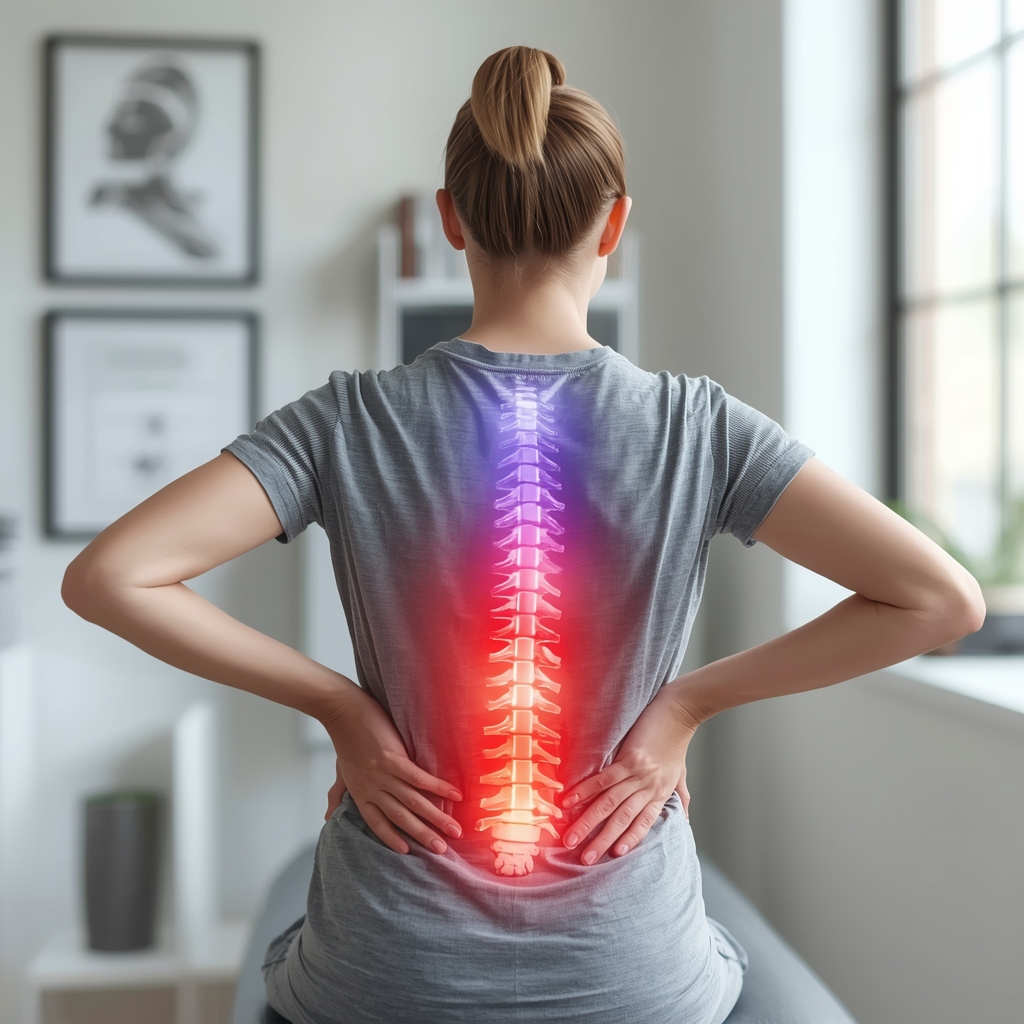
Understanding Lumbar Spinal Stenosis and Its Impact
Lumbar spinal stenosis occurs when the spinal canal in the lower back narrows, compressing nerves and causing pain, numbness, or weakness in the legs. This condition often develops with age, due to degenerative changes in the spine. Symptoms may worsen with standing or walking, significantly affecting mobility and quality of life. While medical treatments like medication or surgery are options, many seek non-invasive alternatives. Chiropractic care offers a holistic approach, focusing on symptom relief and improved function. By addressing spinal alignment and nerve pressure, chiropractors aim to reduce discomfort and enhance daily activities. Patients often report gradual improvements in mobility and reduced reliance on pain medications. However, it’s essential to consult a qualified provider to determine the best strategy for individual needs.
Decompression Techniques for Nerve Relief
Spinal decompression therapy is a non-surgical method used to alleviate pressure on compressed nerves in the lumbar region. This technique involves gently stretching the spine using specialized equipment, creating negative pressure that can help reposition bulging discs and reduce nerve irritation. By decompressing the spine, this approach may ease pain and improve nerve function. Chiropractors may also use manual adjustments to complement decompression, ensuring proper spinal alignment. Many patients find relief from leg pain and sciatica-like symptoms through this method. While results vary, the goal is to restore natural spinal mechanics and promote healing. It’s important to note that decompression therapy is typically part of a broader treatment plan, tailored to each patient’s condition and comfort level.
The Role of Core Strengthening in Spinal Support
Core strengthening exercises play a critical role in managing lumbar spinal stenosis by stabilizing the lower back and reducing strain on the spine. A strong core supports proper posture and distributes forces more evenly across the spinal column, minimizing pressure on affected nerves. Chiropractors often recommend targeted exercises like planks, bridges, and pelvic tilts to build endurance and strength in the abdominal and lower back muscles. These movements enhance spinal alignment and improve overall mobility. Additionally, core stability can reduce the risk of further injury and support long-term recovery. Patients are encouraged to perform these exercises regularly, under professional guidance, to maximize benefits. Combining core work with other chiropractic interventions can create a comprehensive approach to symptom management.
Combining Decompression and Core Work for Optimal Results
Integrating decompression techniques with core strengthening creates a synergistic effect, addressing both immediate nerve pressure and long-term spinal stability. Decompression relieves acute symptoms by reducing nerve compression, while core exercises build the muscular support needed for sustained relief. This dual approach helps patients regain mobility and confidence in their daily activities. Chiropractors may design personalized programs that alternate between decompression sessions and guided core workouts, ensuring gradual progress. Over time, this combination can reduce the frequency of flare-ups and improve overall spinal health. It’s crucial to follow a structured plan, as improper technique may hinder recovery. Regular assessments by a chiropractor help adjust the regimen as needed, ensuring safe and effective outcomes.
Personalized Chiropractic Care for Spinal Stenosis
Every individual’s experience with lumbar spinal stenosis is unique, requiring a tailored approach to treatment. A chiropractor will conduct a thorough evaluation to identify specific issues and develop a customized care plan. This may include decompression therapy, core strengthening, and additional modalities like soft tissue work or ergonomic advice. Open communication with the provider ensures adjustments can be made based on progress and comfort. Patients should discuss their goals and concerns to create a strategy that aligns with their lifestyle. While chiropractic care can significantly alleviate symptoms, it’s often most effective when combined with other supportive practices. Regular follow-ups help monitor improvements and maintain long-term wellness.
Conclusion: A Holistic Path to Relief
Chiropractic care offers a viable option for managing lumbar spinal stenosis by addressing both structural and functional aspects of the condition. Decompression techniques relieve nerve pressure, while core strengthening enhances spinal stability. These methods, when guided by a qualified chiropractor, can lead to meaningful improvements in pain levels and mobility. Patients are encouraged to explore this approach as part of a broader health strategy, always consulting with healthcare professionals. While results vary, many find that chiropractic interventions provide a safer, non-invasive alternative to conventional treatments. By prioritizing personalized care and consistent follow-up, individuals can take proactive steps toward a more comfortable, active life.















