
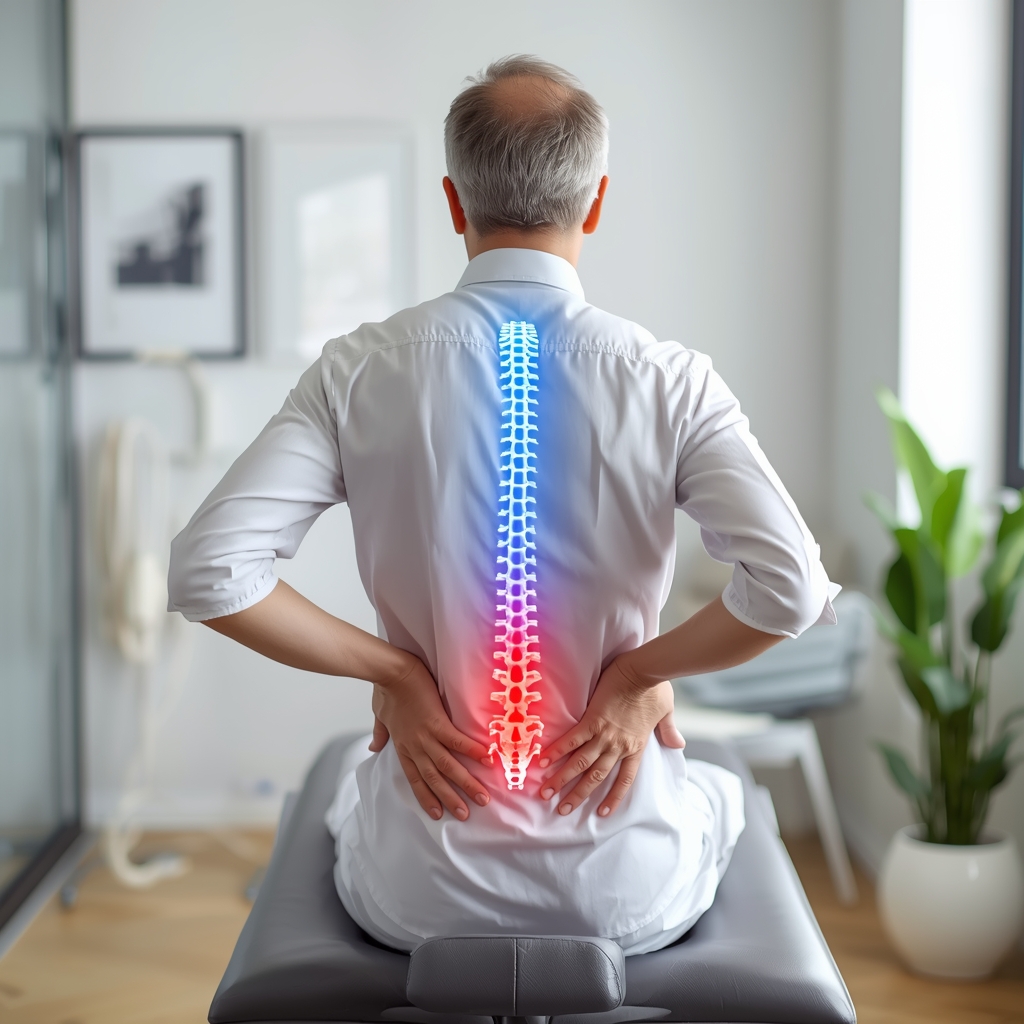
Understanding Lumbar Spinal Stenosis and Non-Invasive Options
Lumbar spinal stenosis occurs when the spinal canal in the lower back narrows, compressing nerves and causing pain, numbness, or weakness in the legs. While severe cases may require surgery, many patients seek non-invasive approaches to manage symptoms. Chiropractic care offers potential relief through adjustments and decompression techniques, focusing on improving spinal alignment and reducing pressure on affected nerves. These methods aim to enhance mobility and quality of life without medication or surgical intervention. However, it is crucial to approach these treatments with guidance from a qualified chiropractor, as individual conditions vary. Understanding the principles of spinal health can help patients make informed decisions about their care.
Chiropractic Adjustments for Spinal Stenosis
Spinal adjustments, a cornerstone of chiropractic care, involve manual manipulations to restore proper joint function and alleviate nerve compression. For lumbar stenosis, adjustments may target misalignments in the lower back to reduce pressure on the spinal cord and nerves. Techniques such as diversified thrusts or mobilization are commonly used, though the specific approach depends on the patient’s condition. While research on chiropractic adjustments for stenosis is limited, many patients report improved mobility and reduced discomfort. It is essential to note that adjustments should be performed by a licensed professional to avoid complications. Patients should communicate their symptoms and medical history to ensure the safest and most effective treatment plan.
Decompression Therapy and Its Role
Spinal decompression therapy uses mechanical traction to gently stretch the spine, creating space between vertebrae and relieving pressure on nerves. This non-surgical technique is often used for conditions like herniated discs or stenosis, as it may reduce inflammation and promote healing. Some studies suggest decompression therapy can alleviate leg pain and improve function in patients with lumbar stenosis. However, its effectiveness varies, and it is typically part of a broader treatment strategy. Patients should consult a chiropractor to determine if decompression is suitable for their specific case, as it may not be recommended for all spinal conditions. When combined with other therapies, decompression can offer a holistic approach to symptom management.
Safety Considerations for Chiropractic Care
While chiropractic care is generally safe, patients with lumbar spinal stenosis must prioritize safety. Certain techniques, such as high-velocity adjustments, may carry risks if not performed correctly. It is vital to choose a licensed chiropractor with experience in treating spinal stenosis. Patients should disclose their medical history, including any prior surgeries or conditions like osteoporosis, to avoid complications. Additionally, sudden or aggressive manipulations should be avoided. Regular communication with the chiropractor ensures treatments are tailored to the patient’s needs. Safety also involves recognizing when to seek alternative care, such as physical therapy or medical consultation, if symptoms persist or worsen.
Combining Chiropractic Care with Other Therapies
Chiropractic treatments often work best when integrated with other therapeutic approaches. For lumbar stenosis, combining adjustments with physical therapy, exercise programs, or lifestyle modifications can enhance outcomes. Strengthening core muscles, improving posture, and maintaining regular movement support spinal stability and reduce strain. Some chiropractors may recommend heat therapy, massage, or acupuncture to complement adjustments. However, patients should discuss these options with their provider to ensure they align with their care plan. A multidisciplinary approach allows for a more comprehensive strategy, addressing both structural and functional aspects of spinal health. This collaboration can lead to better long-term results and improved quality of life.
When to Seek Professional Guidance
Patients experiencing symptoms of lumbar spinal stenosis should consult a healthcare provider to determine the best course of action. A chiropractor can evaluate the condition and recommend appropriate interventions, such as adjustments or decompression therapy, while ruling out other causes of pain. It is important to note that chiropractic care is not a substitute for medical treatment in severe cases, and some patients may require a combination of approaches. Regular follow-ups with a chiropractor help monitor progress and adjust the treatment plan as needed. By working closely with a qualified professional, patients can make informed decisions about their care and explore options that align with their health goals and lifestyle.














