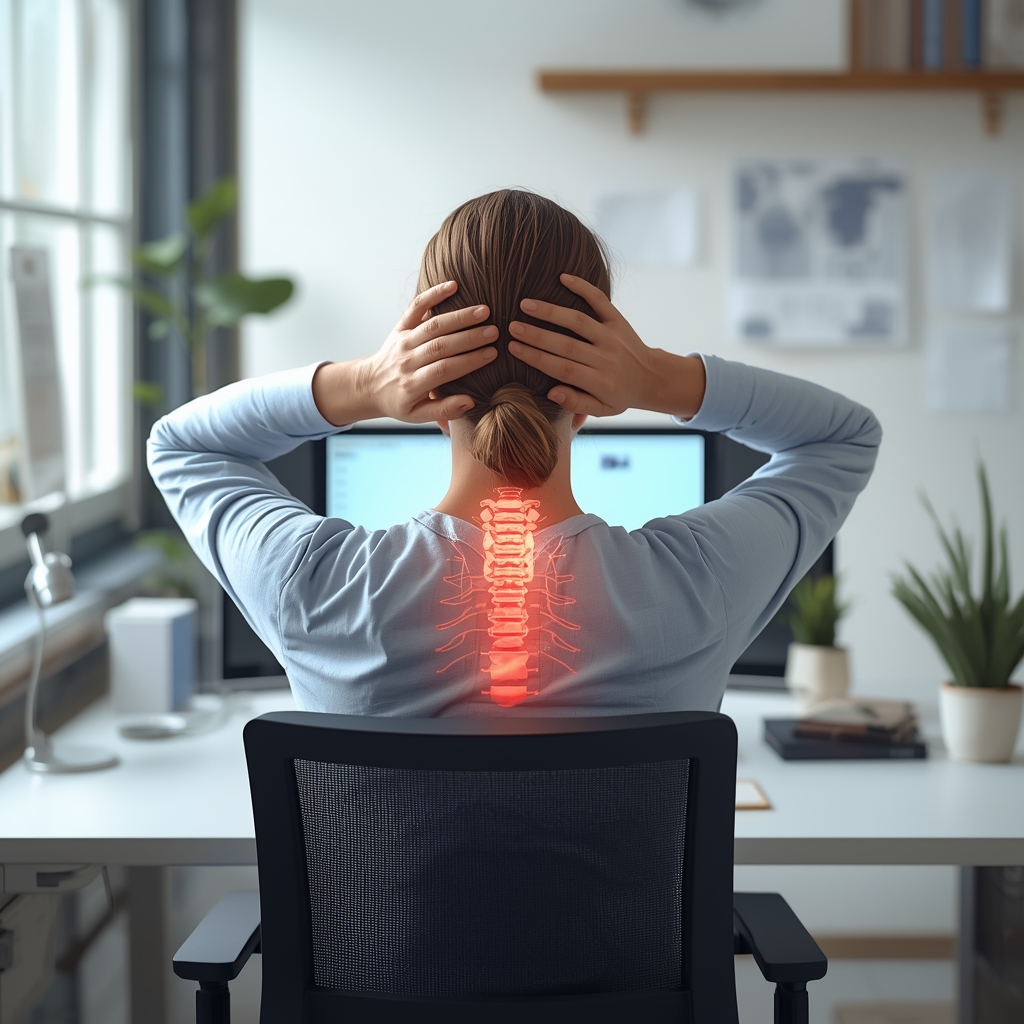
Understanding Forward Head Posture in Office Workers
Forward head posture (FHP) occurs when the head shifts forward from its natural alignment, placing excessive strain on the neck and upper back. This is common among office workers who spend long hours at desks, staring at screens. The added weight of the head in this position can lead to muscle imbalances, reduced mobility, and chronic discomfort. Chiropractors play a key role in identifying FHP early, as it often goes unnoticed until symptoms arise. Educating patients about this condition helps them recognize its impact on overall spinal health and encourages proactive measures to prevent long-term complications.
The Health Risks of Prolonged Forward Head Posture
Extended FHP can contribute to a range of musculoskeletal issues, including neck pain, headaches, and reduced range of motion. It may also compress nerves and blood vessels, leading to tingling, dizziness, or fatigue. Over time, this posture can alter the spine’s natural curvature, increasing the risk of degenerative disc disease or chronic pain. Chiropractors emphasize that even minor postural deviations can have cumulative effects, making early intervention critical. By understanding these risks, patients are more likely to seek corrective care and adopt healthier habits to mitigate damage.
Chiropractors as Educators on Postural Health
Chiropractors are uniquely positioned to educate patients about the importance of proper posture. Through assessments and patient discussions, they can highlight how FHP affects the body’s alignment and function. This education empowers individuals to make informed decisions about their workspace setup and daily habits. Chiropractors may also demonstrate corrective exercises or recommend ergonomic adjustments to reduce strain. By fostering awareness, they help patients take ownership of their spinal health, reducing reliance on reactive treatments and promoting long-term wellness.
Ergonomic Adjustments to Counteract Forward Head Posture
Simple ergonomic changes can significantly reduce the impact of FHP. Adjusting monitor height to eye level, using supportive chairs, and taking regular movement breaks are essential strategies. Chiropractors often guide patients in evaluating their workspaces to identify risk factors. They may also suggest posture-friendly tools, such as standing desks or lumbar supports, to maintain proper alignment. These adjustments, when combined with professional guidance, help retrain the body’s posture and prevent further complications. Patient education on these practices ensures they can sustain improvements independently.
Preventive Care Benefits of Posture Education
Proactive posture education can prevent the progression of FHP-related issues, reducing the need for intensive treatments later. Chiropractors emphasize that early intervention through education and lifestyle changes can alleviate pain and improve mobility. Patients who understand the link between posture and health are more likely to adhere to recommended practices, such as stretching or strengthening exercises. This preventive approach not only enhances quality of life but also supports the body’s natural ability to heal. By prioritizing education, chiropractors help patients avoid chronic conditions and maintain functional independence.
Addressing Common Myths About Posture and Chiropractic Care
Many patients believe that minor postural issues are harmless or that chiropractic care alone can fix them. However, FHP requires a multifaceted approach involving education, ergonomic adjustments, and consistent habits. Chiropractors clarify that while they can provide relief, long-term success depends on patient engagement. Misconceptions about the effectiveness of quick fixes or the irrelevance of posture often delay necessary action. By dispelling these myths, chiropractors encourage a holistic view of health, ensuring patients understand their role in maintaining proper alignment and preventing future complications.