Understanding Cervical Radiculopathy and Chronic Neck Pain
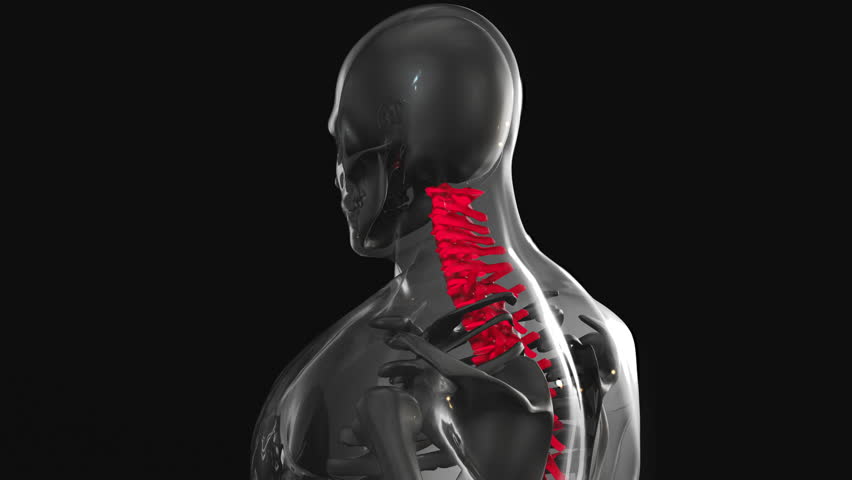
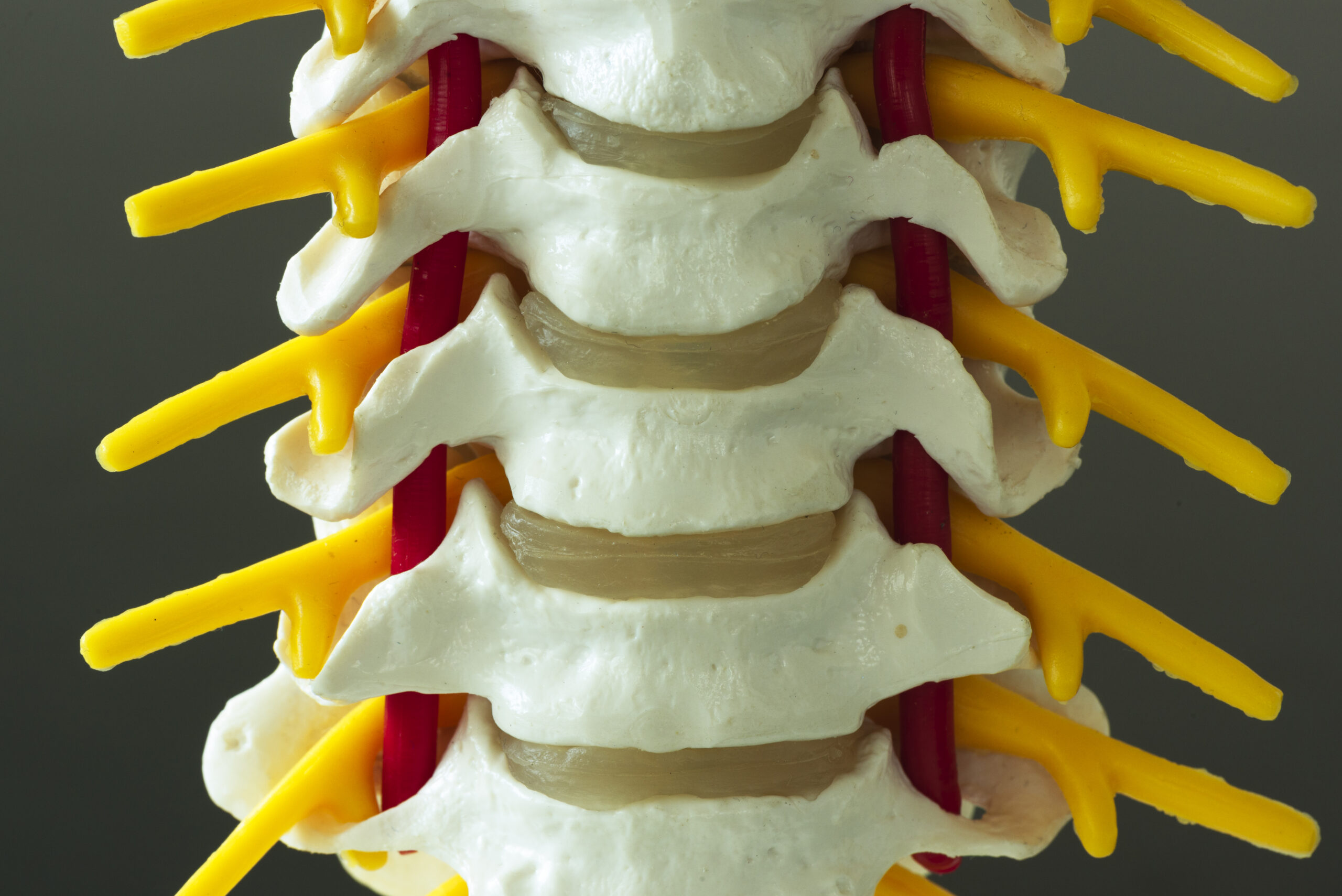
Cervical radiculopathy occurs when a compressed or irritated nerve in the neck causes pain, numbness, or weakness that radiates to the arms or hands. This condition often stems from herniated discs, bone spurs, or spinal stenosis. Chronic neck pain associated with radiculopathy can significantly impact daily life, limiting mobility and causing persistent discomfort. While conventional treatments like medication or surgery are common, many patients seek complementary approaches to manage symptoms. Chiropractic care and acupuncture are two such options that may offer relief by addressing both musculoskeletal and neurological components of the condition.
Spinal Mobilization: A Chiropractic Approach
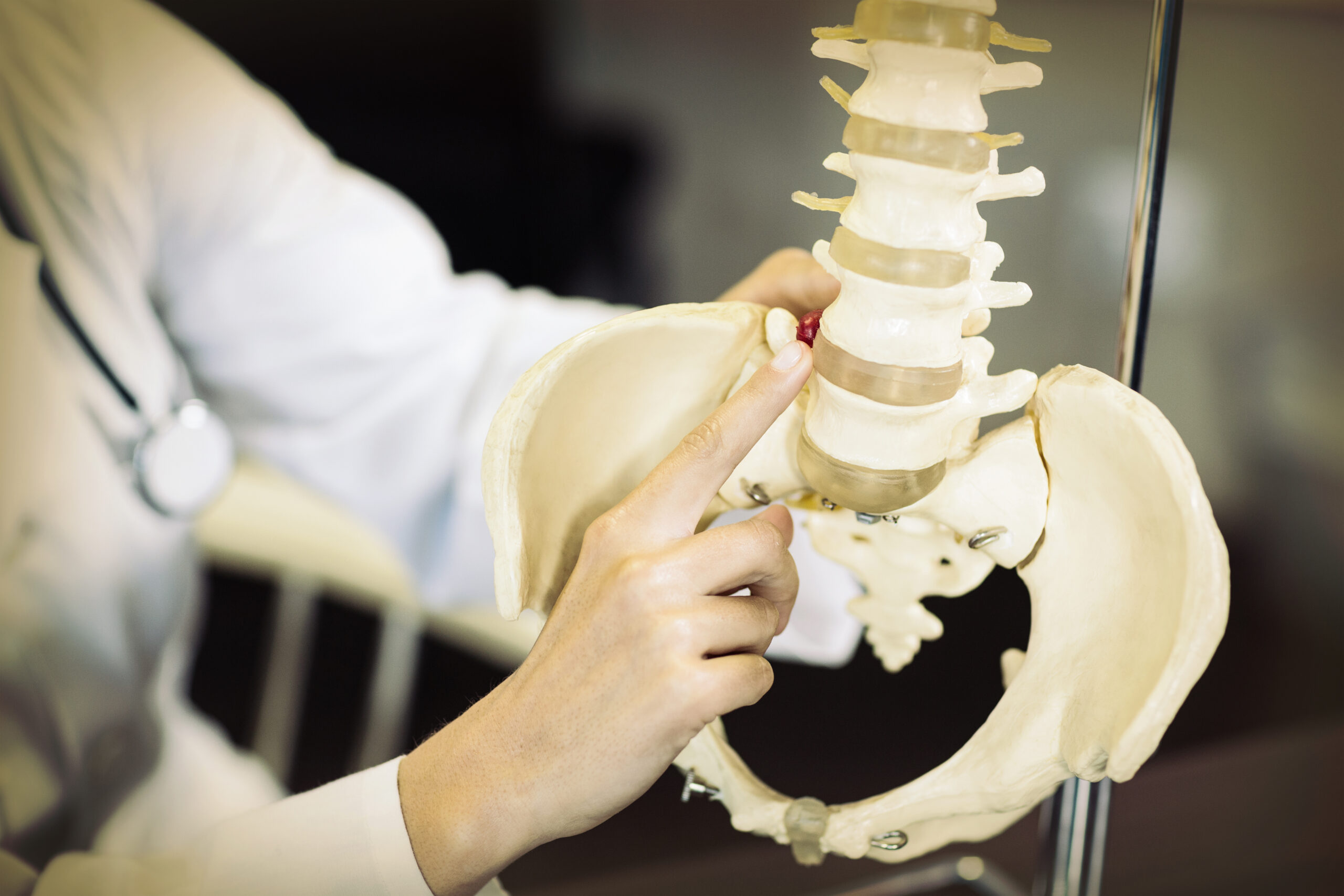
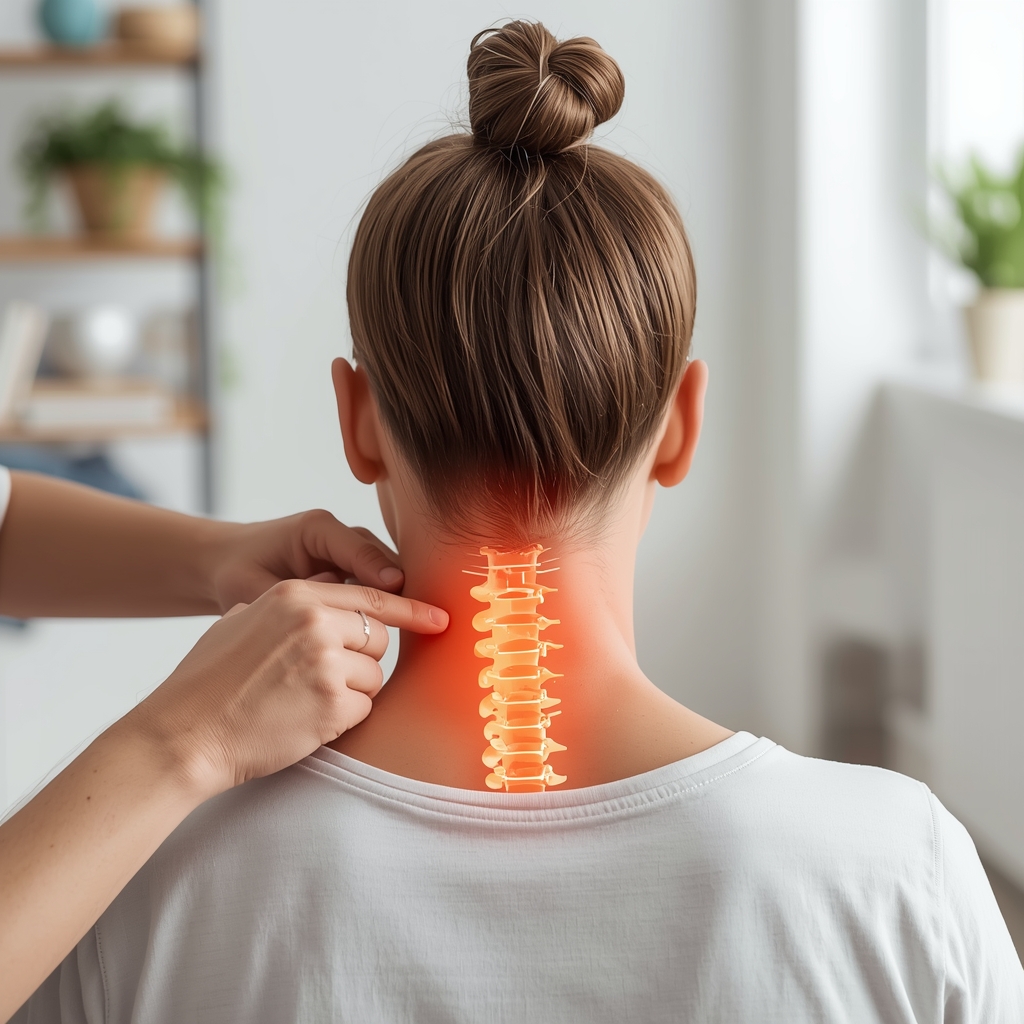
Spinal mobilization is a chiropractic technique involving gentle, controlled movements to improve joint function and reduce pain. It differs from high-velocity adjustments, focusing instead on restoring range of motion and alleviating pressure on nerves. For cervical radiculopathy, mobilization can help realign the vertebrae, ease muscle tension, and enhance blood flow to the affected area. This approach is often used to complement other therapies, aiming to reduce inflammation and support the body’s natural healing processes. Chiropractors may tailor mobilization techniques to the patient’s specific needs, ensuring a safe and effective treatment plan.
The Role of Acupuncture in Nerve Pain Relief
Acupuncture, an ancient practice involving the insertion of thin needles into specific points on the body, is increasingly recognized for its potential to alleviate nerve-related pain. It is believed to stimulate the release of endorphins, reduce inflammation, and modulate pain signals. For cervical radiculopathy, acupuncture may target areas around the neck and shoulders to relieve pressure on affected nerves. Some studies suggest it can improve circulation and promote tissue repair, making it a valuable adjunct to spinal mobilization. Patients often report reduced pain and improved mobility after consistent acupuncture sessions, though results vary based on individual factors.
Combining Spinal Mobilization and Acupuncture
Integrating spinal mobilization with acupuncture allows for a holistic approach to treating chronic neck pain. Chiropractors may use mobilization to address structural imbalances while acupuncture targets nerve irritation and muscle tension. This dual strategy can enhance pain relief by addressing both mechanical and neurological aspects of cervical radiculopathy. For example, mobilization might correct misalignments, while acupuncture reduces inflammation and promotes relaxation. Patients often receive a sequence of treatments, with each session building on the previous one to maximize benefits. This synergy can lead to faster recovery and long-term symptom management when performed by qualified practitioners.
Considerations for Safe and Effective Treatment
When combining spinal mobilization and acupuncture, safety and professional guidance are essential. Chiropractors and acupuncturists should collaborate to develop a coordinated treatment plan, ensuring both modalities align with the patient’s condition. Patients should disclose their full medical history, including any existing conditions or medications, to avoid complications. While these therapies are generally safe, improper technique could exacerbate symptoms. Regular communication between providers and patients helps monitor progress and adjust strategies as needed. It is crucial to seek care from licensed professionals who have experience in treating cervical radiculopathy to minimize risks and optimize outcomes.
Conclusion: A Multidisciplinary Path to Relief
Chronic neck pain from cervical radiculopathy can be challenging to manage, but integrating spinal mobilization with acupuncture offers a promising multidisciplinary approach. By addressing both structural and neurological factors, these therapies may provide complementary benefits that traditional methods alone cannot achieve. While individual results vary, many patients find relief through this combined strategy. As with any treatment, it is important to consult with a qualified chiropractor and acupuncturist to determine the best course of action. This collaborative approach highlights the value of integrative care in supporting long-term pain management and improved quality of life.