
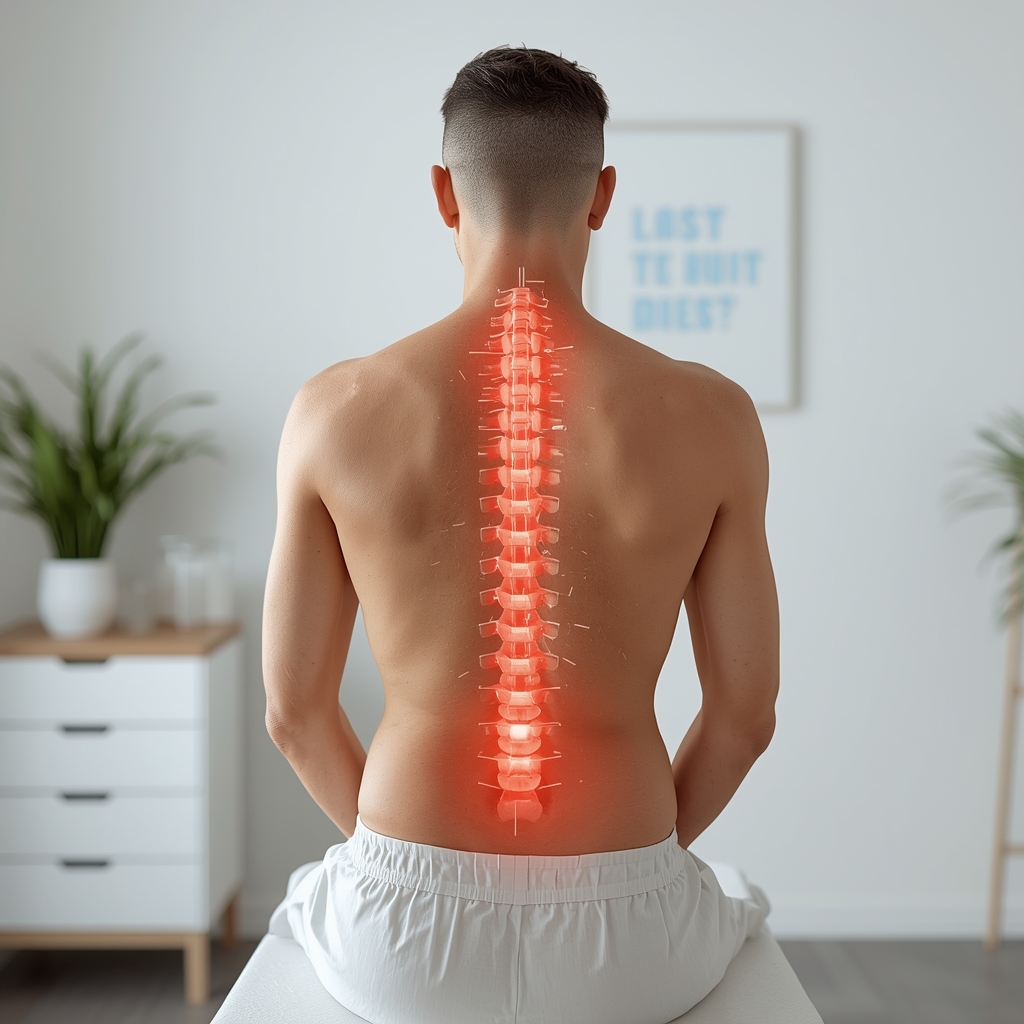
Understanding Neuropathic Pain and Integrative Care
Neuropathic pain, often caused by nerve damage or dysfunction, presents unique challenges for treatment. While spinal adjustments are a cornerstone of chiropractic care, they may not always address the complex nature of nerve-related discomfort. Integrating complementary therapies like acupuncture can offer a more holistic approach. This method leverages the body’s natural healing mechanisms, combining mechanical adjustments with energy flow regulation to potentially enhance outcomes. Patients seeking relief from conditions like diabetic neuropathy or post-herpetic neuralgia may benefit from this dual strategy. However, it is crucial to consult a qualified chiropractor to tailor the approach to individual needs.
How Acupuncture Complements Spinal Adjustments
Acupuncture involves inserting thin needles into specific points on the body to stimulate nerve pathways and promote healing. When paired with spinal adjustments, it may help reduce inflammation, improve circulation, and modulate pain signals. Spinal adjustments realign the vertebrae, alleviating pressure on nerves, while acupuncture targets peripheral nerve activity. This synergy could address both structural and biochemical aspects of neuropathic pain. Practitioners often use acupuncture to relax tight muscles surrounding the spine, making adjustments more effective. The combined approach may also enhance the body’s production of endorphins, natural pain relievers. However, the exact mechanisms remain an area of ongoing research.
Benefits for Patients with Neuropathic Conditions
Patients with neuropathic pain often experience chronic discomfort that resists conventional treatments. Integrating acupuncture with chiropractic care may offer relief by targeting multiple pain pathways. For example, acupuncture’s ability to reduce nerve hypersensitivity could complement the structural corrections of spinal adjustments. This combination might also improve mobility and reduce reliance on medications. Many individuals report reduced pain intensity and improved quality of life after consistent treatment. However, results can vary, and it is essential to work with a chiropractor experienced in both modalities. Open communication between the patient and provider ensures the approach aligns with the individual’s health goals and medical history.
Establishing a Collaborative Treatment Protocol
Effective integration requires clear communication between the chiropractor and acupuncture practitioner. A personalized plan might involve scheduling adjustments and acupuncture sessions in sequence to maximize their combined effects. For instance, acupuncture could be used before an adjustment to relax musculature, making the manipulation more comfortable. Alternatively, it might follow an adjustment to reinforce nerve function. The frequency and duration of treatments depend on the patient’s condition and response. Regular assessments help refine the protocol, ensuring it remains effective over time. Both practitioners should document progress and adjust strategies as needed. This collaborative model emphasizes patient-centered care, prioritizing safety and efficacy.
Safety Considerations and Professional Guidelines
While integrative care is generally safe, it is vital to ensure both acupuncture and chiropractic treatments are performed by licensed professionals. Acupuncture needles must be sterile and inserted by trained practitioners to avoid infection risks. Spinal adjustments require careful technique to prevent complications, especially in patients with preexisting conditions. Patients should disclose their full medical history, including medications and other therapies, to minimize interactions. For neuropathic pain, caution is needed to avoid aggravating nerve sensitivity. Regular follow-ups with a primary care physician may also be necessary, particularly for individuals with underlying health issues. Adhering to professional standards ensures the safest and most effective treatment experience.
Conclusion: A Holistic Path to Pain Relief
Combining acupuncture with spinal adjustments offers a promising avenue for managing neuropathic pain. By addressing both structural and neurological components, this integrative approach may provide more comprehensive relief than either method alone. However, success depends on a tailored strategy developed by experienced healthcare providers. Patients should remain proactive in discussing their treatment options and monitoring their responses. As research continues to explore the synergy between these therapies, their role in chronic pain management may expand. Ultimately, the goal is to empower patients with safe, effective, and personalized care that supports long-term wellness.











