Understanding Spinal Mobilization and Its Role in Hip Pain
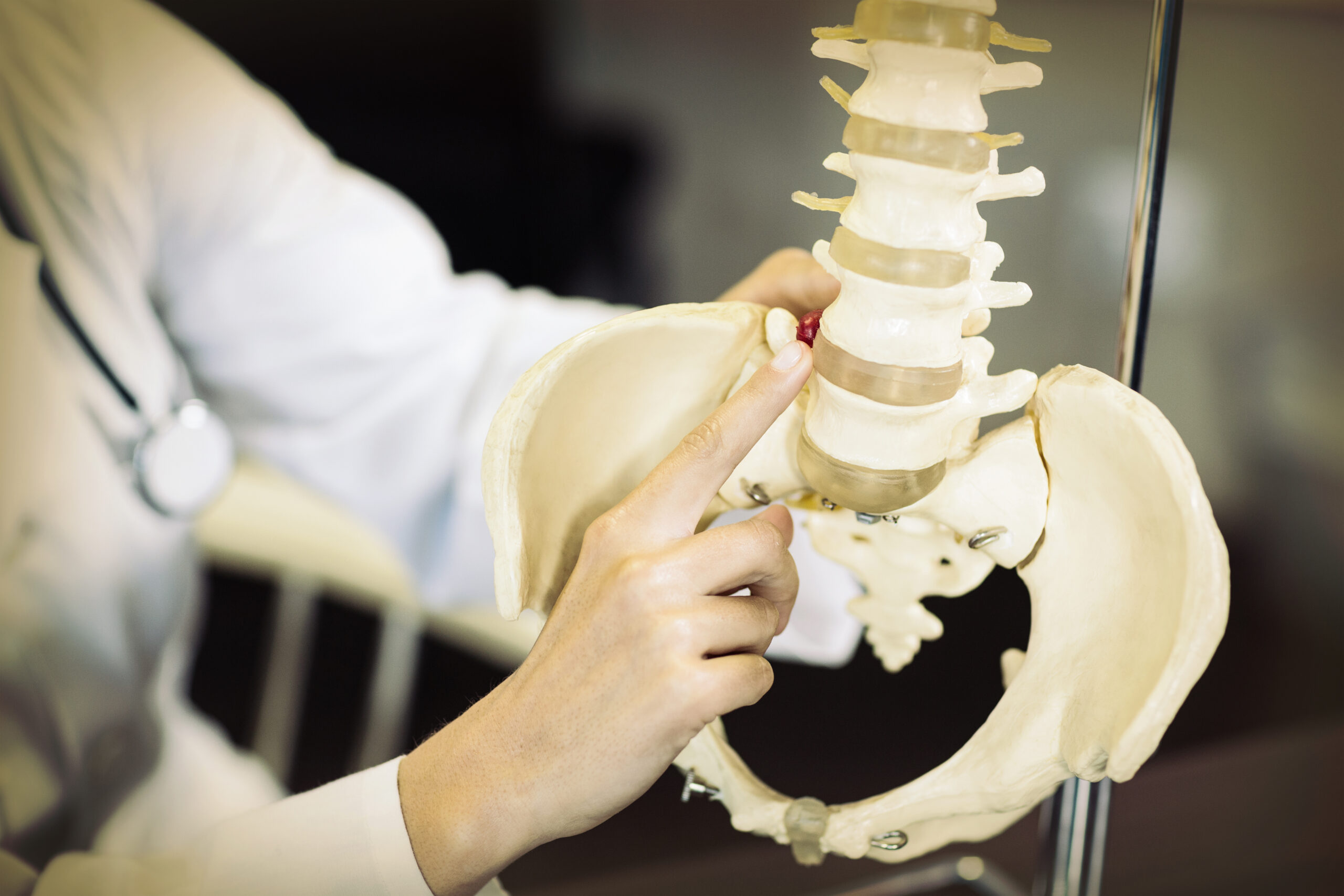
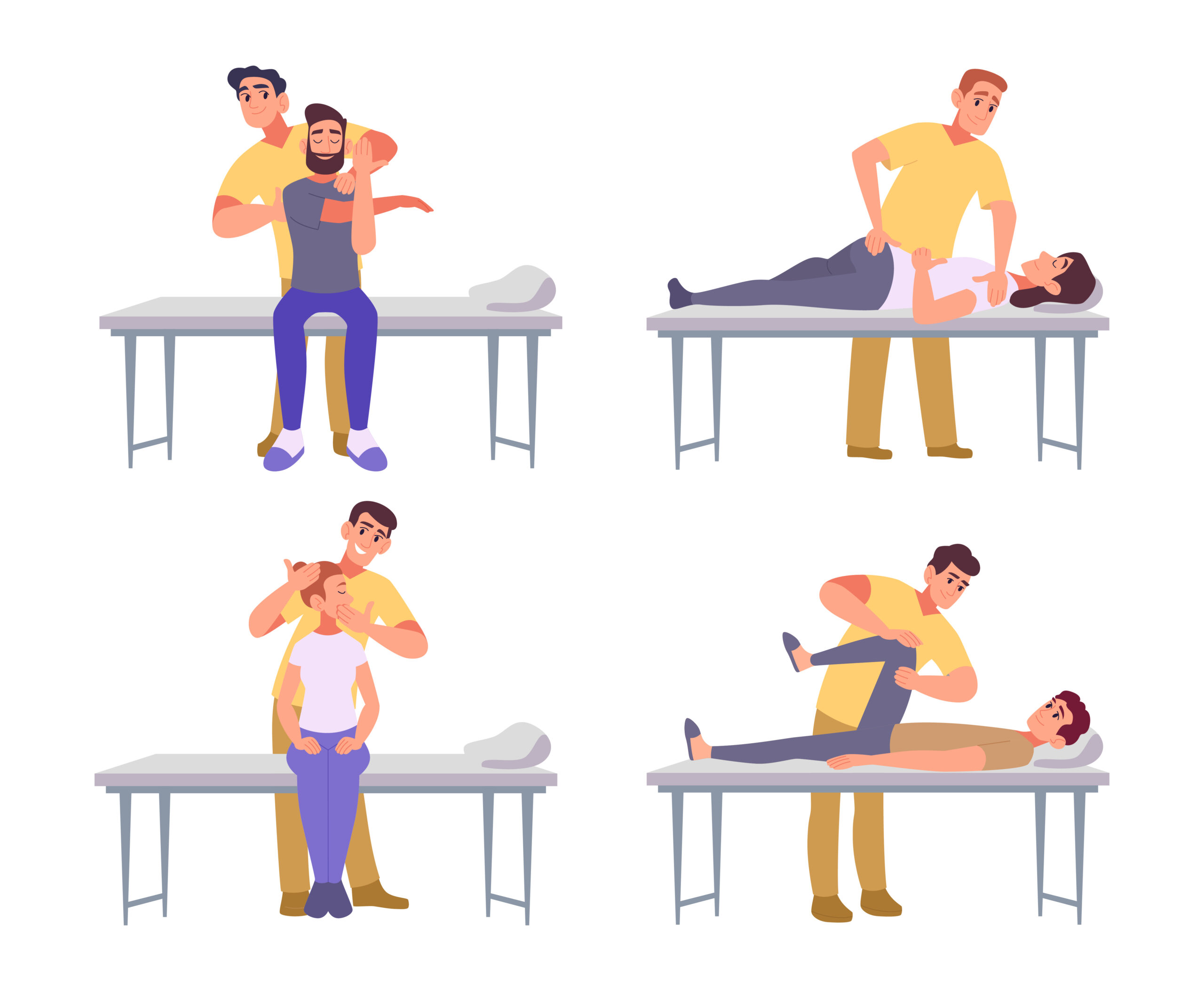
Spinal mobilization is a manual therapy technique involving gentle, controlled movements of the spine to improve joint mobility, reduce pain, and restore function. While primarily focused on the spine, this approach can indirectly benefit conditions like chronic hip bursitis by addressing musculoskeletal imbalances. Hip bursitis involves inflammation of the bursae—small fluid-filled sacs that cushion joints—often leading to persistent discomfort. Spinal mobilization may help by alleviating pressure on nerves or muscles that contribute to hip pain, promoting better alignment, and reducing compensatory movements that strain the hip area. This non-invasive method is often used alongside other treatments to support overall musculoskeletal health.
Addressing Underlying Musculoskeletal Imbalances
Chronic hip bursitis can stem from misalignments or dysfunctions in the spine, pelvis, or surrounding soft tissues. Spinal mobilization aims to correct these imbalances by restoring normal joint mechanics and reducing tension in adjacent structures. For example, a restricted thoracic spine or sacroiliac joint dysfunction may alter gait patterns, placing excessive stress on the hip. By improving spinal mobility, this technique can ease referred pain and reduce the load on the hip bursae. Additionally, mobilization may enhance blood flow and lymphatic drainage, potentially accelerating the body’s natural healing processes. While not a direct treatment for bursitis, it can create a more balanced biomechanical environment, supporting long-term relief.
Pain Relief and Inflammation Reduction
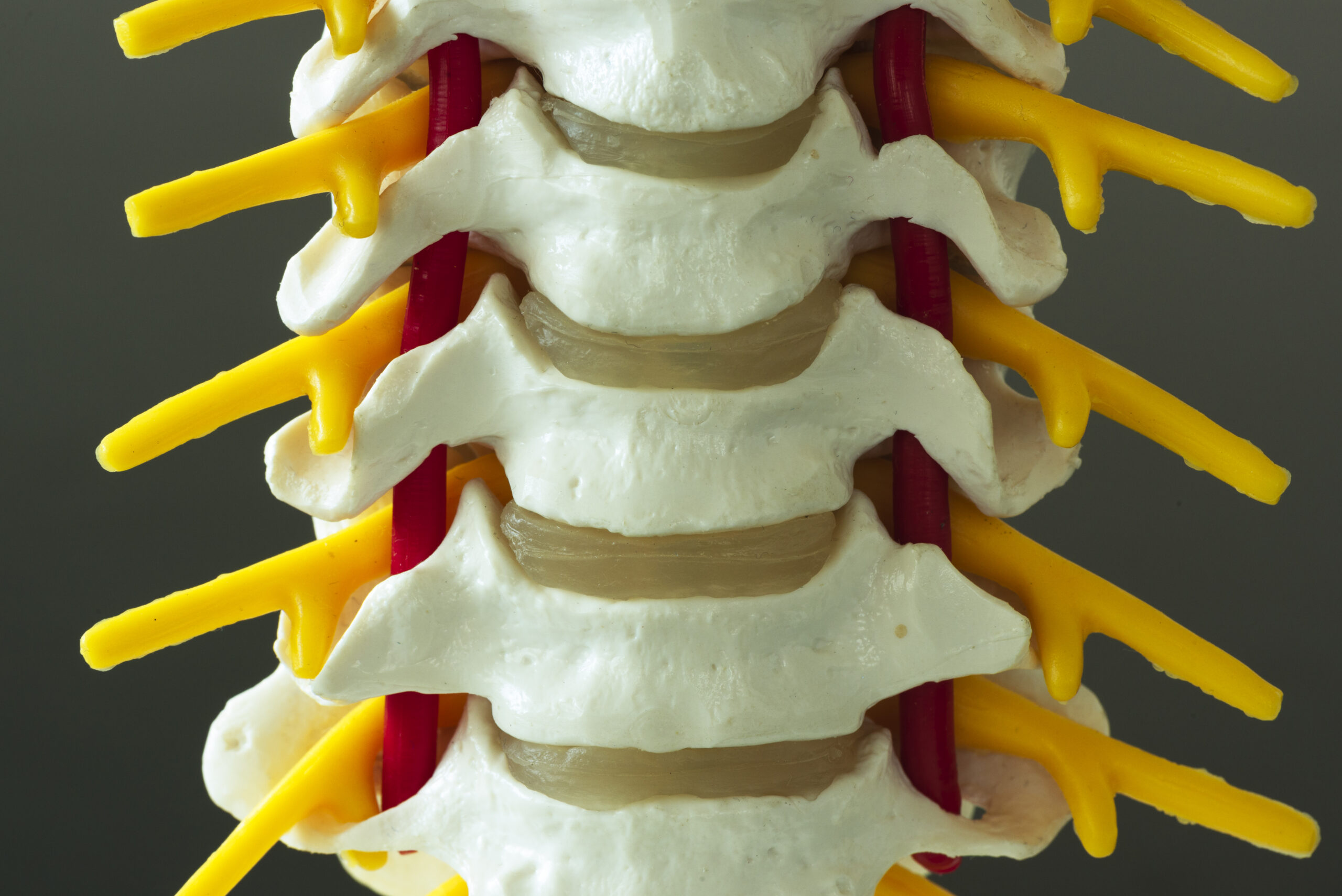
Patients with chronic hip bursitis often experience persistent pain that limits daily activities. Spinal mobilization may help manage this by reducing nerve irritation and muscle spasms that exacerbate discomfort. Gentle manipulation of the spine can decrease pressure on spinal nerves, which may radiate pain to the hip region. Additionally, mobilization techniques can relax tight muscles surrounding the hip, such as the gluteals or piriformis, which might contribute to bursitis symptoms. While research on spinal mobilization specifically for hip bursitis is limited, its broader application in musculoskeletal care suggests it could complement other therapies. However, individual results may vary, and a chiropractor can assess whether this approach aligns with a patient’s unique needs.
Improving Mobility and Functional Outcomes
Chronic hip bursitis often leads to reduced range of motion and difficulty with movement. Spinal mobilization may help restore functional mobility by addressing restrictions in the spine and pelvis that limit movement patterns. For instance, a stiff lumbar spine can alter weight distribution, increasing strain on the hip. By enhancing spinal flexibility, this technique may encourage more efficient movement, reducing the risk of further injury. Patients may also experience improved posture and gait, which can alleviate stress on the hip joint. While not a standalone solution, spinal mobilization can be part of a comprehensive plan to enhance mobility, enabling individuals to engage in daily tasks and physical activities with greater ease.
Non-Invasive Alternative to Other Treatments
For patients seeking alternatives to medication or surgery, spinal mobilization offers a non-invasive option to manage chronic hip bursitis. Unlike injections or surgical interventions, it carries minimal risk of adverse effects when performed by a qualified practitioner. This approach can be particularly appealing for those looking to avoid long-term reliance on painkillers. However, it is important to note that spinal mobilization should not replace evidence-based treatments like physical therapy or anti-inflammatory medications. Instead, it may serve as a complementary strategy to enhance overall outcomes. Patients should discuss their options with a healthcare provider to determine the most appropriate care plan for their condition.
When to Consult a Chiropractor for Hip Bursitis
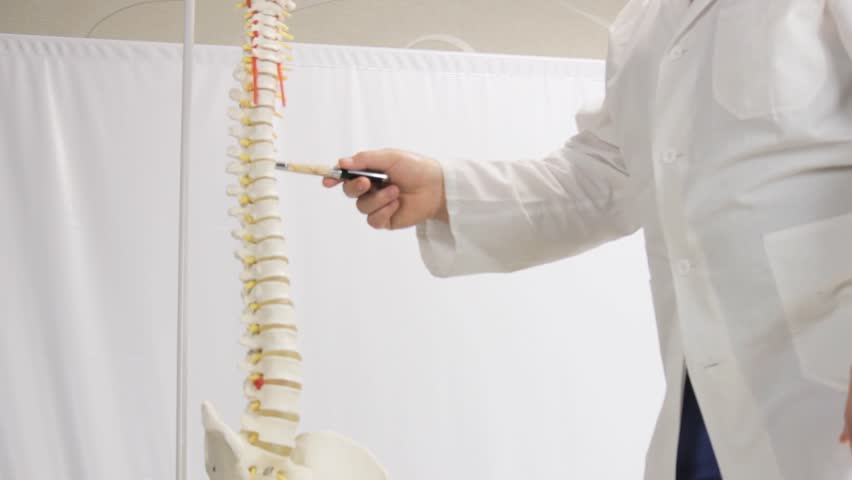
If you are experiencing persistent hip pain, a chiropractor can evaluate whether spinal mobilization might be beneficial. They will assess your spine, pelvis, and hip mechanics to identify any contributing factors to your bursitis. This holistic approach considers how spinal alignment affects the entire musculoskeletal system, offering a personalized treatment plan. While spinal mobilization is not a cure for hip bursitis, it may help alleviate symptoms and improve mobility when integrated with other therapies. Always consult a licensed chiropractor or healthcare provider before starting any new treatment, as they can guide you toward safe and effective options tailored to your specific needs.