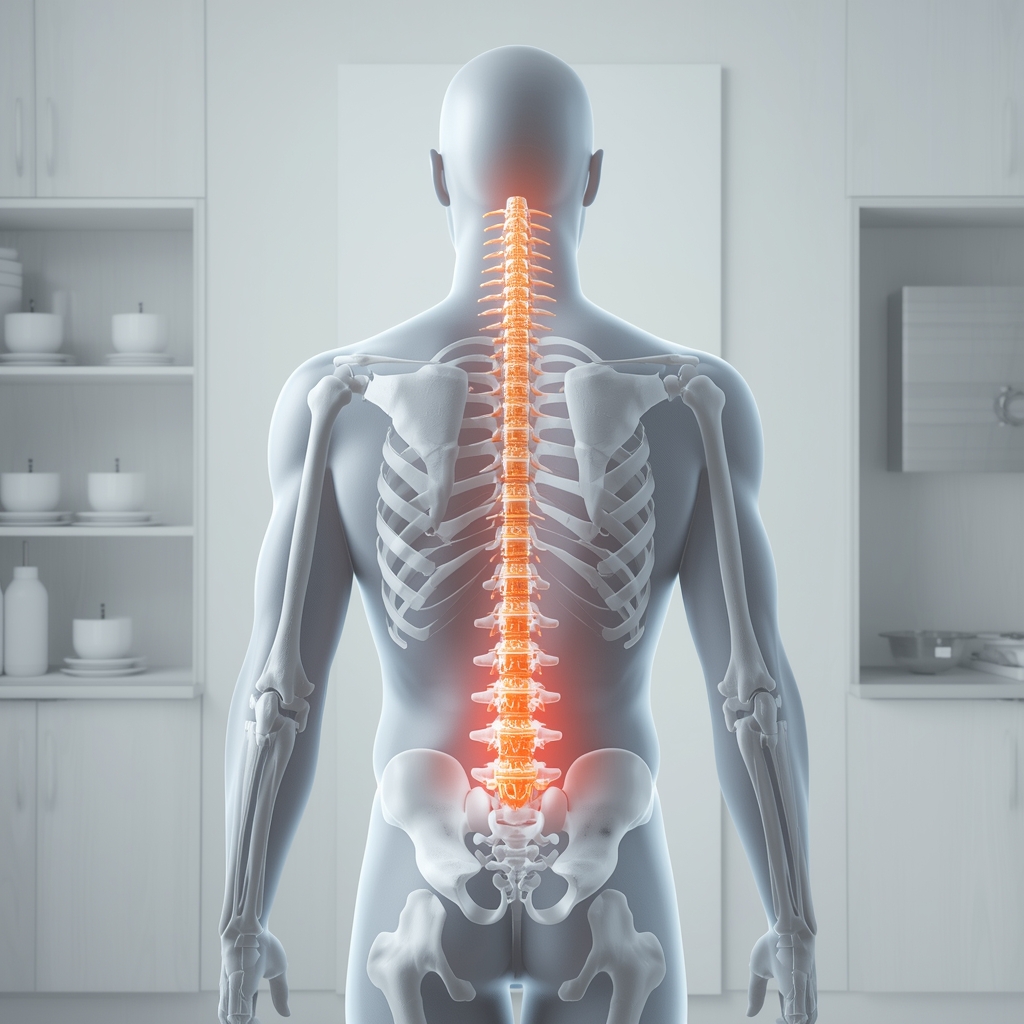
The Nervous System's Role in Digestive Function
The nervous system plays a critical role in regulating gastrointestinal motility, the process by which food moves through the digestive tract. The enteric nervous system, often called the "second brain," coordinates muscle contractions and secretions in the gut. This system communicates with the central nervous system via the vagus nerve and spinal pathways, ensuring smooth digestive function. Disruptions in nerve signaling, whether from injury, inflammation, or structural issues, can interfere with this process. Spinal misalignment, or subluxation, may contribute to such disruptions by affecting the nerves that control digestive organs. Understanding this connection highlights the potential interplay between spinal health and gastrointestinal well-being.
How Spinal Misalignment May Impact Gut Motility
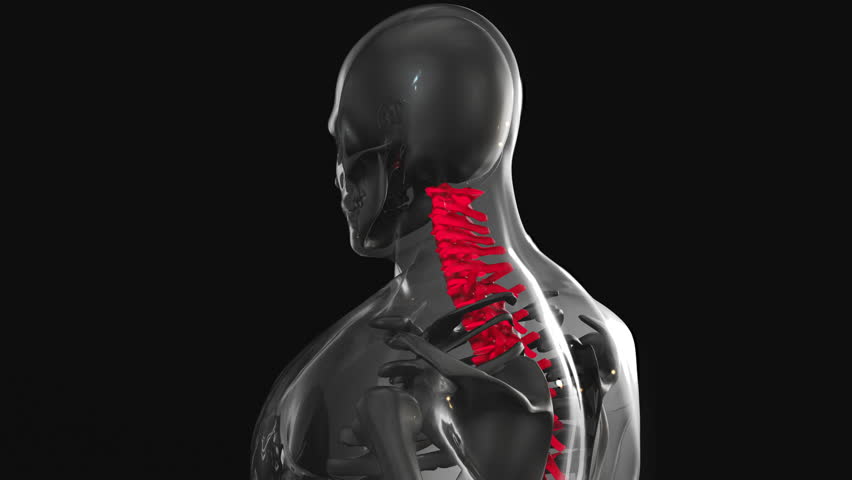
Spinal misalignment can compress or irritate nerves exiting the spine, potentially disrupting signals between the brain and the digestive system. For example, misalignments in the thoracic or lumbar regions may affect the nerves that innervate the stomach, intestines, or other organs. This interference could lead to irregular motility, such as delayed digestion, constipation, or bloating. While the exact mechanisms are still under study, many chiropractors believe that restoring proper spinal alignment may help alleviate these issues by reducing nerve pressure. However, it’s important to note that this relationship is complex and not fully understood, requiring further research to establish definitive links.
Neurological Pathways Connecting the Spine and Digestive Tract
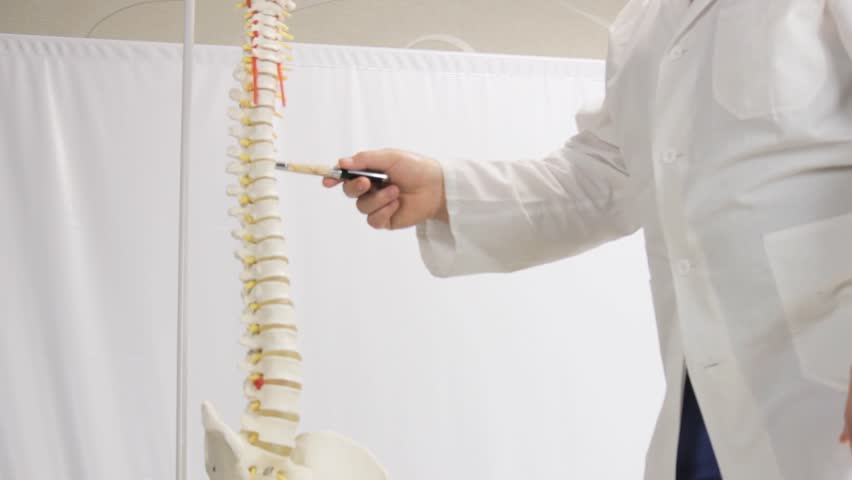
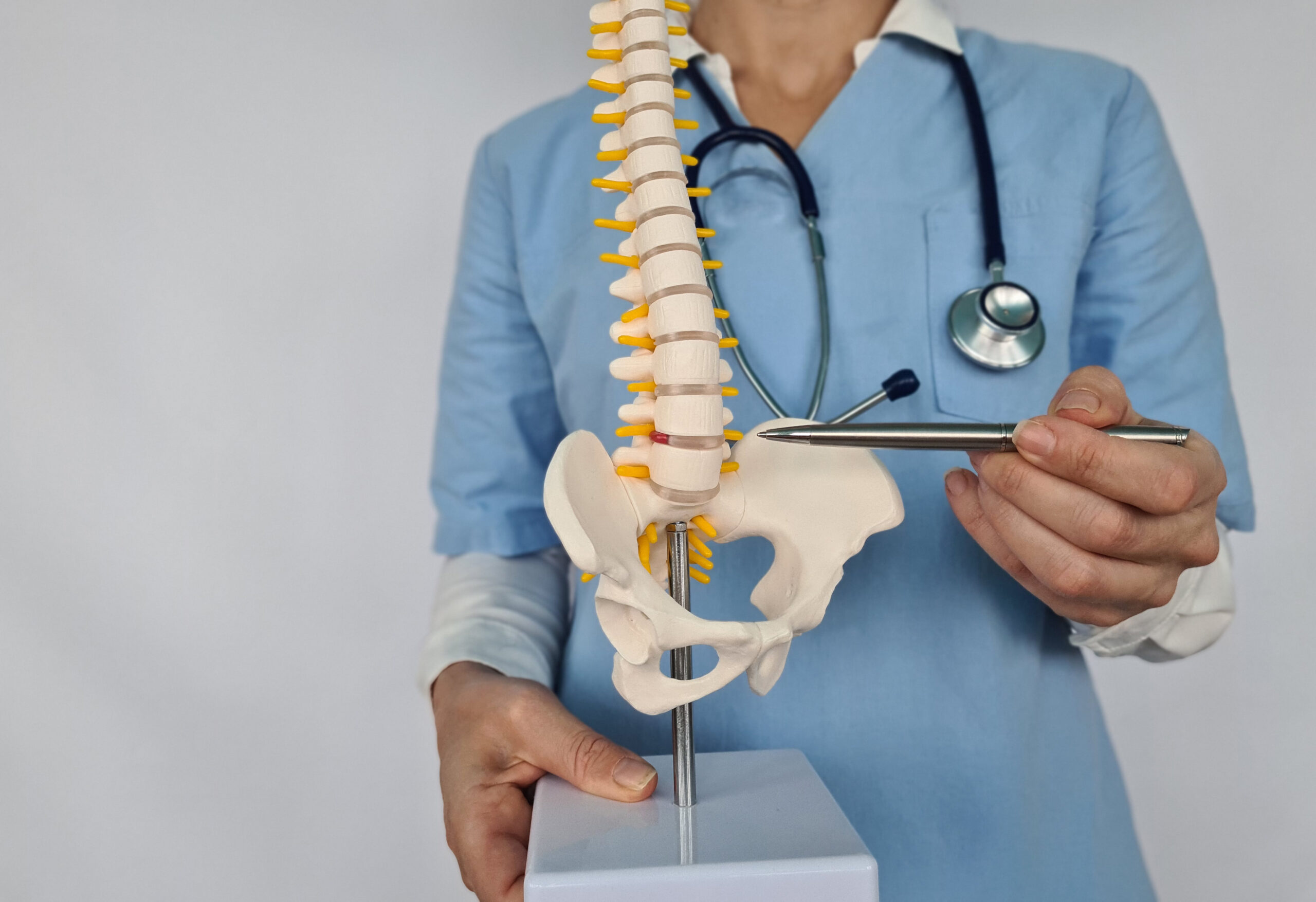
The spine serves as a conduit for nerves that directly influence digestive function. The vagus nerve, which originates in the brainstem and extends to the abdomen, is a key player in regulating gut motility. Spinal segments at the thoracic and lumbar levels house nerves that connect to the digestive system, making them critical for maintaining balance. When spinal misalignment occurs, it may alter the function of these nerves, leading to dysregulated digestive activity. For instance, restricted movement in the lower back could affect the nerves controlling the colon. Chiropractic adjustments aim to correct these misalignments, potentially restoring proper nerve communication and supporting healthier digestive patterns.
Chiropractic Care and Nervous System Optimization
Chiropractic care focuses on identifying and correcting spinal misalignments to optimize nervous system function. By improving spinal alignment, chiropractors may help reduce nerve interference that could otherwise impact digestive health. Many patients report improvements in gastrointestinal symptoms after adjustments, though individual results vary. This approach aligns with the broader chiropractic philosophy of addressing the root causes of health issues rather than just managing symptoms. While not a substitute for medical treatment, chiropractic care may complement traditional approaches by supporting the body’s natural ability to regulate digestion. A qualified chiropractor can assess your unique situation and determine if this method might be beneficial.
Evidence and Research in the Field
Research on the relationship between spinal health and gastrointestinal motility is still evolving. Some studies suggest that spinal adjustments may influence autonomic nervous system activity, which plays a role in digestion. However, more rigorous, large-scale trials are needed to confirm these findings. Current evidence remains largely anecdotal or based on small case studies, highlighting the need for further investigation. Despite this, many healthcare professionals recognize the potential value of a holistic approach that considers spinal health as part of overall wellness. Patients interested in exploring this connection should discuss their options with a licensed chiropractor and their primary care provider to ensure a comprehensive plan.
Consulting a Chiropractor for Digestive Health
If you’re experiencing gastrointestinal motility issues, a chiropractor can offer a non-invasive perspective on your care. They will conduct a thorough evaluation to identify any spinal misalignments that might contribute to your symptoms. While chiropractic adjustments alone may not resolve complex digestive disorders, they could support broader treatment strategies. It’s essential to work with a qualified professional who understands both spinal and digestive health. Always consult your primary healthcare provider before starting any new treatment, especially if you have a diagnosed condition. Combining chiropractic care with other evidence-based approaches may provide a more holistic path to improved well-being.