
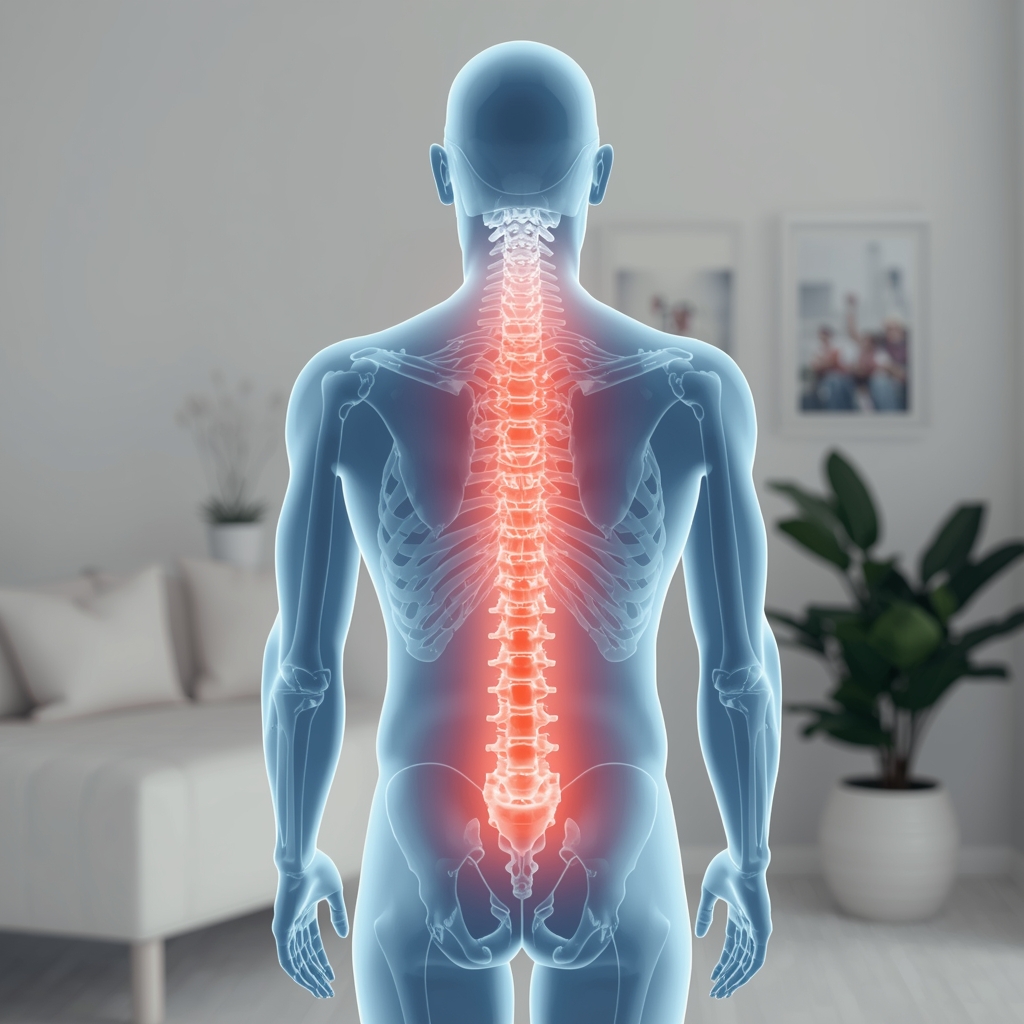
The Spine-Digestive System Connection
The spine and digestive system share a complex relationship through the nervous system. Spinal nerves innervate gastrointestinal organs, and misalignments (subluxations) may disrupt this communication. While research on specific adjustments for constipation is limited, chiropractic care often focuses on restoring proper spinal mechanics to support overall body function. The autonomic nervous system, which regulates digestion, relies on healthy spinal alignment. Chiropractors may address areas like the thoracic and lumbar spine, where nerve pathways intersect with digestive organs. This connection suggests that spinal adjustments could indirectly influence gastrointestinal motility, though individual results vary.
Common Adjustments Targeting Digestive Function
Chiropractors may use various techniques to address spinal regions linked to digestive health. Thoracic spine adjustments are often considered due to their proximity to nerves serving the stomach and intestines. Lumbar adjustments might also be explored, as this area connects to the lower gastrointestinal tract. Specific methods like diversified adjustments, activator methods, or flexion-distraction techniques could be employed. However, no single adjustment is universally prescribed for constipation. The approach depends on a patient’s unique spinal structure, symptoms, and medical history. Chiropractors typically perform a thorough evaluation before recommending any intervention.
How Adjustments May Influence Gastrointestinal Motility
Spinal adjustments aim to reduce nerve interference, potentially improving communication between the brain and digestive system. By correcting subluxations, chiropractors may alleviate pressure on nerves that regulate bowel movements. This could theoretically enhance peristalsis—the wave-like muscle contractions that move food through the intestines. Some practitioners also consider the role of the vagus nerve, which controls parasympathetic functions like digestion. While anecdotal reports suggest benefits, scientific evidence remains inconclusive. Patients should view spinal adjustments as part of a broader strategy for managing constipation, rather than a standalone solution.
Individualized Care and Patient Considerations
Chiropractic care for digestive issues requires a personalized approach. What works for one patient may not apply to another, as spinal mechanics and underlying causes of constipation vary. Factors like diet, hydration, physical activity, and medical conditions also play critical roles. Chiropractors may collaborate with other healthcare providers to address these factors holistically. Patients should discuss their full medical history, including medications or previous surgeries, before beginning adjustments. It’s essential to prioritize safety and avoid self-diagnosis or treatment. Open communication with a qualified provider ensures care aligns with individual needs and goals.
Evidence and Research Limitations
Current research on spinal adjustments for constipation is limited and often inconclusive. While some studies suggest potential benefits, larger, well-controlled trials are needed to establish clear guidelines. Many reports rely on patient testimonials rather than rigorous scientific data. This gap highlights the importance of caution when interpreting claims about specific adjustments. Patients should seek care from licensed chiropractors who emphasize evidence-based practices. Integrating chiropractic care with conventional medical treatments remains the safest approach. Ongoing research may one day provide more definitive answers about the role of spinal adjustments in digestive health.
Consulting a Qualified Chiropractor
If considering spinal adjustments for digestive concerns, consulting a licensed chiropractor is crucial. A qualified provider will conduct a comprehensive assessment, including posture, spinal mobility, and symptom history. They can explain how adjustments might complement other treatments for constipation. Patients should ask about the practitioner’s experience with gastrointestinal issues and their approach to care. It’s also important to discuss expectations and potential risks. Chiropractic care should never replace medical advice from a physician, especially for chronic conditions. Working with a trusted professional ensures safe, informed decision-making about spinal health and digestive wellness.












