
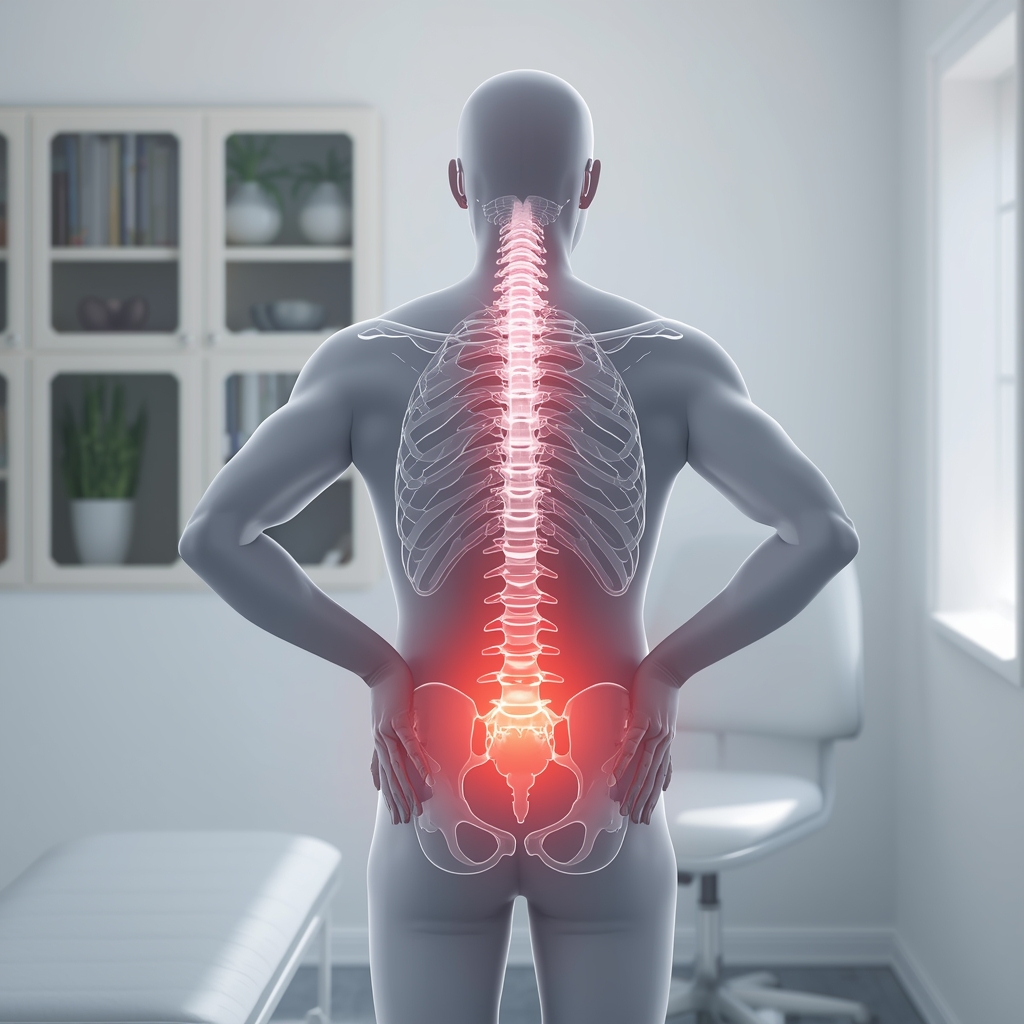
The Spine-Digestive Connection: How Nerves Influence Gut Motility
The human body’s nervous system plays a critical role in regulating digestive function, with the spine serving as the central highway for nerve signals. The autonomic nervous system, which controls involuntary processes like bowel movements, relies on proper spinal alignment to function optimally. Misalignments, or subluxations, in the spine can disrupt these neural pathways, potentially impairing gut motility. Chiropractic adjustments aim to restore balance by realigning the spine, which may indirectly support digestive health. While the exact mechanisms remain under study, the interplay between spinal integrity and gastrointestinal function highlights the importance of a holistic approach to wellness. This connection underscores why some patients with chronic constipation explore chiropractic care as a complementary strategy.
Spinal Manipulation and Nervous System Regulation
Chiropractic adjustments focus on correcting spinal misalignments that may interfere with nerve communication between the brain and the digestive tract. By restoring proper alignment, these techniques can alleviate pressure on nerves, potentially enhancing the body’s ability to regulate bowel movements. For instance, the thoracic and lumbar regions of the spine are closely linked to the sympathetic and parasympathetic nervous systems, which control digestive activity. While research is ongoing, many practitioners observe that patients with chronic constipation report improved symptoms after spinal adjustments. However, it is essential to note that these effects are not universally guaranteed and should be discussed with a qualified chiropractor to determine individual suitability.
Evidence and Research on Chiropractic Interventions
Although direct studies on spinal manipulations and gut motility are limited, broader research on chiropractic care’s impact on the nervous system provides a foundation for understanding its potential benefits. Some clinical observations suggest that addressing spinal dysfunction may reduce gastrointestinal symptoms by improving nerve function. For example, patients with conditions like irritable bowel syndrome (IBS) or constipation often experience relief when their spinal health is optimized. However, the lack of large-scale, controlled studies means that the evidence remains inconclusive. Researchers continue to explore how chiropractic interventions might influence digestive health, emphasizing the need for further investigation to establish definitive links.
Common Techniques Used for Digestive Support
Chiropractors employ various techniques to address spinal misalignments that may affect gut motility. These include manual adjustments, mobilization, and soft tissue therapies, all aimed at reducing nerve interference. Specific approaches like the Diversified Technique or the Gonstead Method focus on precise corrections to the thoracic and lumbar spine, which are associated with digestive function. Some practitioners also incorporate adjunct therapies, such as dietary counseling or exercise recommendations, to support overall wellness. While these methods are not a substitute for medical treatment, many patients find them helpful in managing chronic constipation. As with any healthcare decision, consulting a licensed chiropractor is crucial to develop a personalized plan.
Considerations for Patients with Chronic Constipation
Individuals with chronic constipation should approach chiropractic care as part of a comprehensive treatment strategy. While spinal adjustments may offer supportive benefits, they are not a standalone solution. It is vital to coordinate care with a primary healthcare provider to address underlying causes, such as dietary habits, hydration, or medical conditions. Patients should also communicate their symptoms and goals clearly with their chiropractor to ensure adjustments are tailored to their needs. Safety remains a priority, and techniques should be adapted to avoid unnecessary strain. By combining chiropractic care with evidence-based medical practices, patients can explore a holistic path to improved digestive health.
Conclusion: A Holistic Approach to Gut Health
The relationship between spinal health and gut motility highlights the interconnected nature of the body’s systems. While chiropractic adjustments may offer supportive benefits for some individuals with chronic constipation, they should be viewed as part of a broader wellness strategy. Ongoing research is needed to fully understand the mechanisms and efficacy of these interventions. Patients considering chiropractic care are encouraged to consult qualified professionals and maintain open communication with their healthcare team. By integrating spinal care with other therapeutic approaches, individuals can work toward better digestive function and overall well-being, guided by both scientific evidence and personalized medical advice.













