Telehealth as a Tool for Patient Education
Telehealth platforms offer chiropractors a dynamic way to connect with patients, especially for conditions like piriformis syndrome that benefit from consistent home care. Through video calls, messaging, and shared resources, chiropractors can guide patients in performing targeted exercises to alleviate symptoms. This approach bridges the gap between in-office visits, ensuring patients receive ongoing support. By leveraging telehealth, practitioners can reinforce proper technique, monitor progress, and address concerns in real time. It also allows for flexible scheduling, making it easier for patients to engage with their care plan. As remote interactions become more common, integrating telehealth into patient education aligns with modern healthcare trends while maintaining the personalized care chiropractors are known for.
Assessing Patient Needs Remotely
Before recommending home exercises, chiropractors must assess a patient’s condition through telehealth. This involves reviewing symptoms, movement patterns, and any prior treatments. During virtual consultations, practitioners can observe how patients perform basic movements, identifying compensatory patterns or limitations. Clear communication is key—patients should describe their pain levels, location, and triggers. This information helps tailor exercises to individual needs, ensuring they are both safe and effective. Chiropractors may also use questionnaires or digital tools to gather detailed feedback. By prioritizing thorough remote assessments, practitioners can create customized plans that address specific challenges, reducing the risk of exacerbating piriformis syndrome.
Creating Personalized Exercise Plans
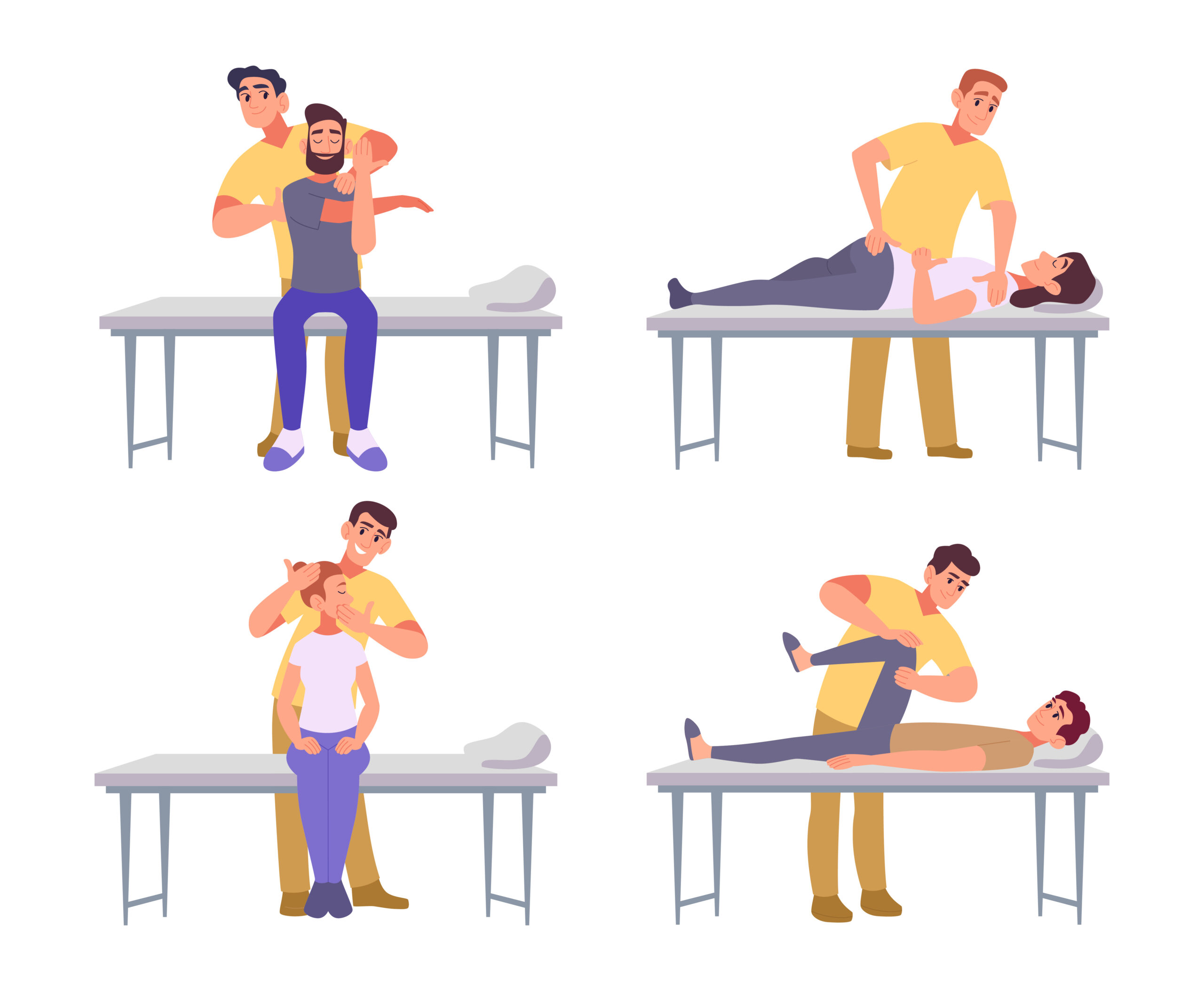
Once a patient’s condition is evaluated, chiropractors can design home exercise routines that target piriformis syndrome. These plans typically include stretches, strengthening exercises, and posture corrections. Telehealth enables practitioners to break down each movement step by step, ensuring patients understand proper form. For example, a chiropractor might demonstrate a seated piriformis stretch or a hip abduction exercise. Patients can then practice under virtual supervision, receiving immediate feedback. This iterative process helps refine techniques and build confidence. By personalizing routines, chiropractors address unique patient needs, such as mobility restrictions or coexisting conditions. The goal is to empower patients with actionable strategies they can integrate into daily life, supporting long-term recovery.
Using Video Demonstrations for Clarity
Video demonstrations are a cornerstone of telehealth-based education for piriformis syndrome. Chiropractors can record or live-stream exercises, highlighting key points like body alignment and breathing. Visual aids make it easier for patients to replicate movements accurately, reducing the risk of injury. Platforms often allow for screen sharing, enabling real-time adjustments during sessions. For instance, a practitioner might pause a video to correct a patient’s posture or suggest modifications. Patients can also revisit recorded sessions to reinforce learning. This method is particularly useful for complex exercises, ensuring clarity and consistency. By prioritizing visual instruction, chiropractors enhance patient understanding and adherence to home care protocols.
Tracking Progress and Adjusting Plans
Telehealth facilitates ongoing monitoring of a patient’s progress with piriformis syndrome. Chiropractors can schedule follow-ups to discuss symptom changes, exercise adherence, and any new challenges. Patients might share videos of their routines or use apps to log their efforts, providing valuable insights. This data allows practitioners to adjust exercise plans as needed, such as increasing intensity or introducing new movements. Regular check-ins also help identify setbacks early, enabling timely interventions. By maintaining open communication, chiropractors ensure patients stay on track and feel supported. This adaptive approach fosters long-term engagement, reinforcing the effectiveness of home exercises as part of a comprehensive treatment strategy.
Encouraging Patient Engagement and Compliance
Successful telehealth education hinges on patient engagement. Chiropractors can use reminders, motivational messaging, and progress tracking to keep patients motivated. Sharing educational content, such as infographics or short videos, reinforces key concepts and encourages consistent practice. Creating a sense of community through virtual groups or forums may also boost adherence. Patients should feel empowered to ask questions and report concerns without hesitation. By fostering a collaborative relationship, chiropractors enhance trust and accountability. Ultimately, proactive engagement ensures patients remain committed to their home exercise routines, maximizing the benefits of telehealth-driven care for piriformis syndrome.