Proper Shoveling Technique for Lower Back Protection
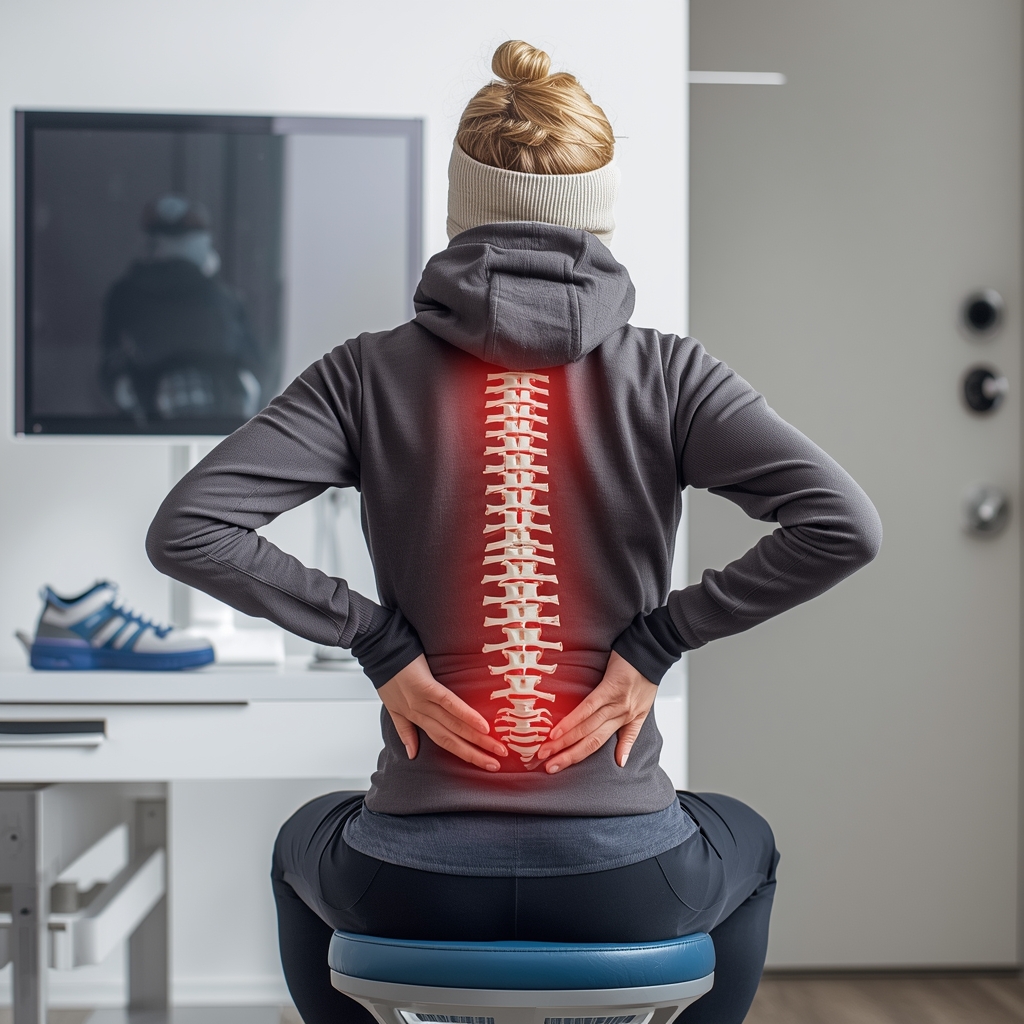
Shoveling snow is a common winter task that can strain the lower back if done improperly. To minimize risk, focus on using your legs rather than your back to lift snow. Bend your knees, keep your back straight, and engage your core muscles while pushing or lifting. Avoid twisting your spine by keeping your feet shoulder-width apart and turning your whole body instead of just your torso. Use a shovel with a short handle to reduce the need to bend excessively, and opt for a lightweight model to lessen strain. Taking smaller loads and moving them closer to your body also helps maintain balance and reduce pressure on the lower back.
Choosing the Right Shovel and Equipment
The right tools can significantly impact comfort and safety during shoveling. Select a shovel with an ergonomic handle that fits your height and grip style, reducing the need to hunch or overreach. A curved blade can help distribute weight more evenly, while a lightweight material minimizes fatigue. Consider using a snow pusher or snow blower for larger areas to avoid repetitive strain. For those with existing back issues, a shovel with a D-shaped handle may offer better control. Always inspect equipment for wear and tear, and replace any damaged parts to prevent accidents. Proper gear, like insulated gloves and non-slip boots, also supports stability and reduces the risk of falls.
Pre-Activity Warm-Up and Stretching
Warming up before shoveling is crucial for preparing muscles and joints for physical exertion. Spend 5-10 minutes on dynamic stretches, such as leg swings, hip circles, and gentle torso twists, to improve flexibility and circulation. Focus on lower back stretches like the cat-cow pose or child’s pose to loosen tight muscles. A brief walk or light jog can also elevate your heart rate and ready your body for activity. Avoid static stretching before shoveling, as it may temporarily weaken muscles. Prioritizing a thorough warm-up reduces the likelihood of sudden strain and helps maintain proper form throughout the task.
Strategies for Pacing and Taking Breaks
Overexertion during shoveling increases the risk of lower back injury. Break the task into smaller, manageable segments and take regular breaks to rest and hydrate. Aim for 5-10 minutes of rest every 20-30 minutes of work, especially in cold weather when muscles may stiffen more quickly. Alternate between shoveling and lighter tasks, such as clearing pathways with a broom, to distribute workload evenly. If fatigue sets in, pause and reassess your technique rather than pushing through discomfort. Listening to your body’s signals and adjusting effort levels helps prevent cumulative strain on the spine and surrounding muscles.
Strengthening Core and Lower Back Muscles
A strong core and lower back provide essential support during physically demanding tasks. Incorporate exercises like planks, bridges, and bird-dogs into your routine to build endurance and stability. These movements target the abdominal, gluteal, and lower back muscles, improving posture and reducing injury risk. Consider consulting a chiropractor or physical therapist for personalized recommendations, especially if you have pre-existing conditions. Consistent strengthening not only enhances performance during shoveling but also promotes long-term spinal health. Pair these exercises with regular movement breaks to maintain muscle flexibility and prevent stiffness.
Post-Activity Recovery and Self-Care
Recovery after shoveling is just as important as the activity itself. After finishing, perform gentle stretches to relax tightened muscles, focusing on the lower back, hips, and legs. Apply heat or ice to sore areas—ice for acute inflammation and heat for muscle stiffness. Stay hydrated and avoid prolonged sitting, as it can exacerbate back discomfort. If pain persists, seek professional evaluation from a chiropractor to address potential issues. Prioritizing recovery helps the body repair itself and reduces the risk of chronic strain. These steps ensure you can enjoy winter activities without compromising spinal health.