
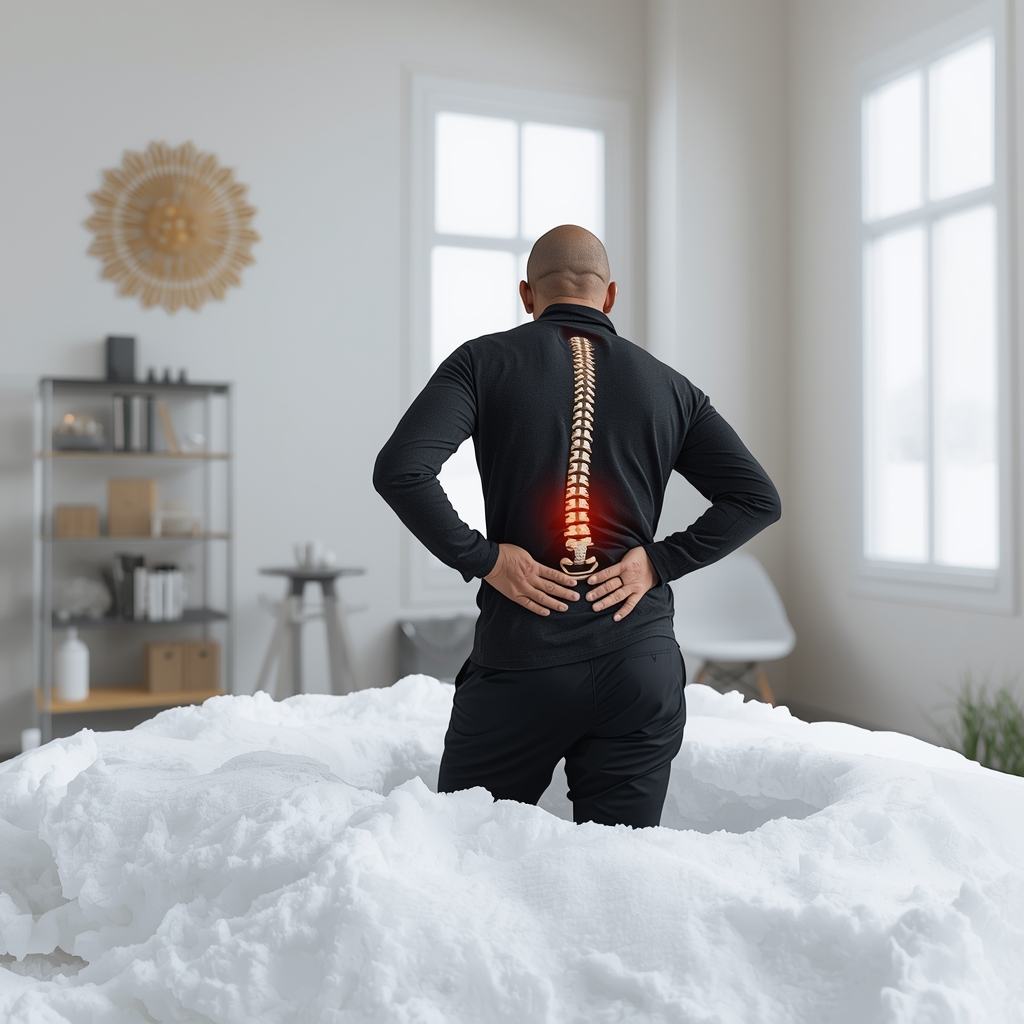
Proper Lifting Techniques for Snow Removal
When shoveling snow, improper lifting can strain the lower back. Focus on bending at the knees and hips, keeping the back straight to distribute weight evenly. Avoid twisting the spine while lifting; instead, pivot the feet to change direction. Maintain a firm grip on the shovel and keep the load close to the body to minimize strain. Many experts recommend using a lightweight shovel to reduce overall effort. Regularly pausing to stretch and reset posture can also prevent cumulative strain. A chiropractor can offer personalized guidance on safe lifting mechanics tailored to individual needs.
Maintaining Core Engagement During Physical Effort
Engaging the core muscles helps stabilize the spine and reduce lower back pressure during snow removal. Practice bracing the abdominal muscles as if preparing for a gentle punch, which activates the deep stabilizers. This technique supports the lumbar region without excessive force. Combine core engagement with controlled breathing—exhale during exertion to maintain stability. Strengthening the core through exercises like planks or yoga can enhance resilience over time. However, avoid overexertion; if fatigue sets in, take a break. A chiropractic professional can suggest safe strengthening routines to complement seasonal activities.
Avoiding Twisting Movements to Protect the Spine
Twisting the torso while shoveling snow increases the risk of lower back injury by placing uneven stress on spinal discs and muscles. Instead of twisting, use a two-step approach: step sideways or pivot the feet to reposition before lifting. Keep movements linear and deliberate, avoiding sudden rotations. If snow must be thrown, face the direction of the throw and use leg power rather than spinal rotation. Many ergonomic guidelines emphasize this principle for manual labor tasks. A chiropractor can assess individual movement patterns and recommend adjustments to reduce injury risk during repetitive activities.
Using Ergonomic Equipment and Tools
Choosing the right tools can significantly reduce back strain during snow removal. Opt for a shovel with an ergonomic handle that allows a neutral wrist position and reduces grip fatigue. Consider a lightweight, curved-blade shovel to minimize lifting effort. Some models feature adjustable lengths to suit different body sizes. Additionally, using snow-blowing equipment when possible can decrease physical demand. Always inspect tools for wear and tear that might compromise safety. A chiropractic practitioner may advise on equipment choices based on individual biomechanics and activity levels.
Taking Regular Breaks to Prevent Overexertion
Prolonged snow removal without rest can lead to muscle fatigue and increased injury risk. Schedule short breaks every 15-20 minutes to stretch, hydrate, and reassess posture. During breaks, perform gentle movements like seated forward bends or side stretches to relieve tension. Avoid staying in one position for too long, as static postures strain muscles and joints. If possible, alternate between shoveling and less strenuous tasks. A chiropractor can help design a rest schedule that aligns with personal physical capacity and seasonal demands.
Post-Activity Stretching and Recovery Practices
After snow removal, gentle stretching helps release tension and restore flexibility. Focus on movements that target the lower back, hamstrings, and hip flexors, such as child’s pose or seated spinal twists. Avoid overstretching, which can cause new strain. Applying heat to the lower back may also ease muscle tightness. Stay hydrated and monitor for signs of discomfort, such as persistent pain or stiffness. If symptoms persist, consult a chiropractor for evaluation. Incorporating these recovery practices into seasonal routines supports long-term musculoskeletal health.














