
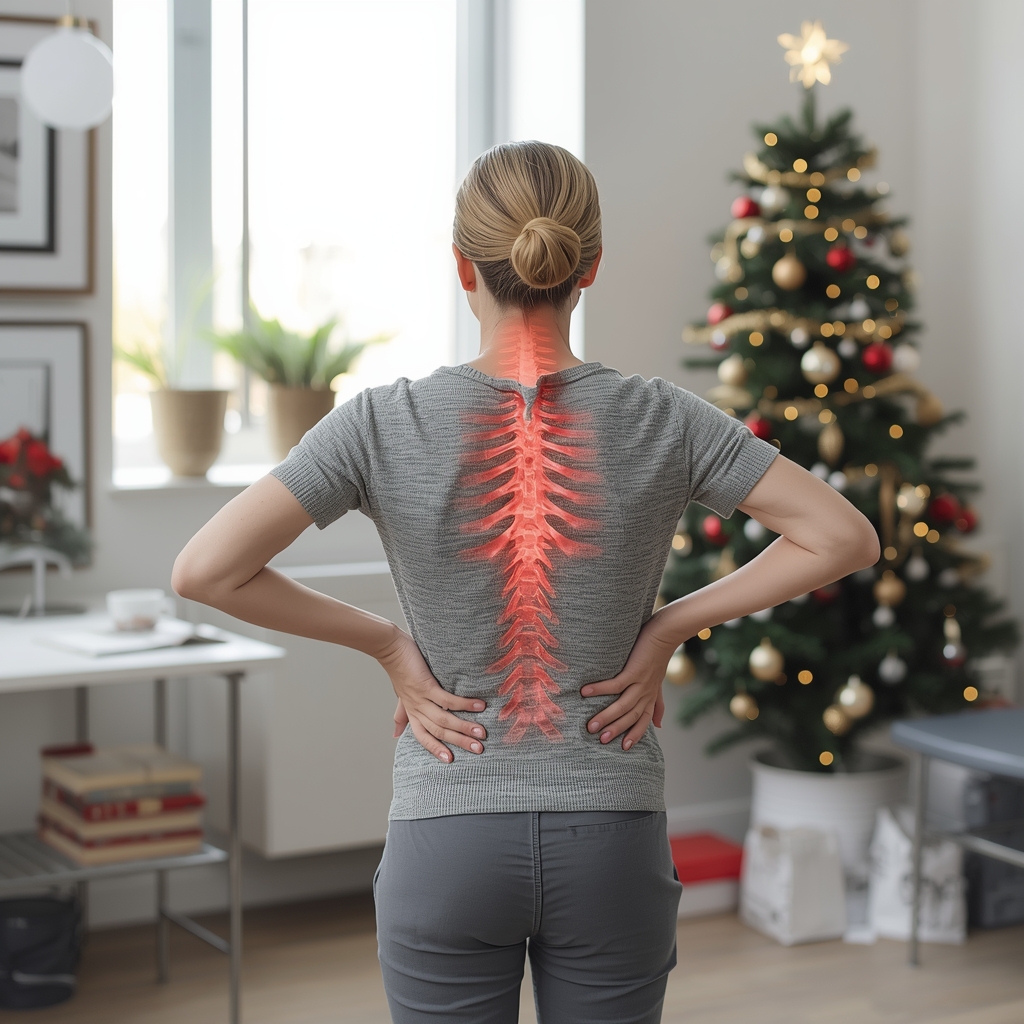
Proper Lifting Techniques for Heavy Items
During winter cleaning, lifting heavy boxes or holiday decorations can strain the back. To minimize risk, focus on using proper lifting mechanics. Bend at the knees, keep the back straight, and engage core muscles to support the spine. Avoid twisting the body while lifting; instead, pivot feet to change direction. For oversized items, ask for help or use tools like dolly carts. Maintaining a stable base and distributing weight evenly reduces pressure on the lower back. Chiropractors often recommend practicing these techniques to prevent acute injuries. Remember, if an object feels too heavy, it’s wise to seek assistance. Regular movement and stretching can also prepare the body for physical tasks.
Adjusting Workspaces for Bending and Kneeling
Bending and kneeling during tasks like decorating or cleaning can stress the spine and joints. Use a step stool or platform to avoid excessive forward bending, keeping the back aligned. For kneeling, opt for a padded mat or kneeling bench to reduce pressure on the knees and lower back. When reaching overhead, use a stable ladder instead of stretching, which can strain the neck and upper back. Adjusting work surfaces to waist height minimizes hunching. Chiropractors emphasize the importance of ergonomics in daily routines, noting that small adjustments can prevent long-term discomfort. Always maintain a neutral spine position and avoid prolonged static postures. These practices support overall musculoskeletal health during busy holiday seasons.
Ergonomic Tools for Decorating and Cleaning
Using ergonomic tools can make holiday tasks safer and more comfortable. Choose lightweight, well-designed equipment such as adjustable ladders, extendable poles for hanging lights, and cushioned gloves to reduce hand strain. Opt for vacuum cleaners with ergonomic handles and swivel heads to minimize twisting. For cleaning, use a microfiber mop with a long handle to avoid bending. When arranging decorations, prioritize items that require less physical effort, like wall-mounted lights instead of heavy wreaths. Chiropractors often advise selecting tools that promote natural body mechanics. By incorporating these adjustments, individuals can maintain better posture and reduce the risk of back pain. Always assess tools for comfort and functionality before use.
Maintaining Good Posture During Long Tasks
Prolonged periods of standing or working in one position during holiday chores can lead to postural fatigue. Alternate between sitting, standing, and moving to prevent stiffness. When standing, shift weight between feet and use an anti-fatigue mat to ease pressure on the lower back. For seated tasks, ensure the chair supports the spine’s natural curve, with feet flat on the floor. Avoid slouching or hunching over, as this strains the neck and upper back. Chiropractors recommend regular posture checks and gentle stretches to reset body alignment. Incorporating movement breaks every 20–30 minutes helps maintain circulation and muscle engagement. Proper posture not only prevents pain but also enhances efficiency during holiday preparations.
Preparing for Cold Weather Strain
Cold weather can stiffen muscles and joints, increasing injury risk during physical tasks. Warm up with light exercises like arm circles or leg swings before starting chores. Dress in layers to stay warm, as cold muscles are more prone to strain. Use hand warmers or heated gloves to maintain dexterity and prevent gripping too tightly. When shoveling snow, push rather than lift, and take frequent breaks to avoid overexertion. Chiropractors often highlight the link between temperature and musculoskeletal health, advising gradual exposure to cold. Staying hydrated and maintaining a balanced diet also supports muscle function. These precautions help the body adapt to winter conditions while reducing back pain risks.
Taking Breaks and Stretching Regularly
Regular breaks and stretching are essential for preventing back pain during extended cleaning or decorating sessions. Set a timer to pause every 30–60 minutes, allowing the body to reset. Perform gentle stretches targeting the back, shoulders, and legs to relieve tension. Techniques like cat-cow poses or seated forward bends can improve flexibility. Chiropractors recommend incorporating these habits into daily routines to maintain mobility. Avoid static positions by walking around or doing light exercises during breaks. Listening to the body’s signals and adjusting workload accordingly prevents overuse injuries. Combining movement with rest supports long-term musculoskeletal health, ensuring a more enjoyable holiday season.













