Why Patient-Centered Storytelling Matters for Veterans
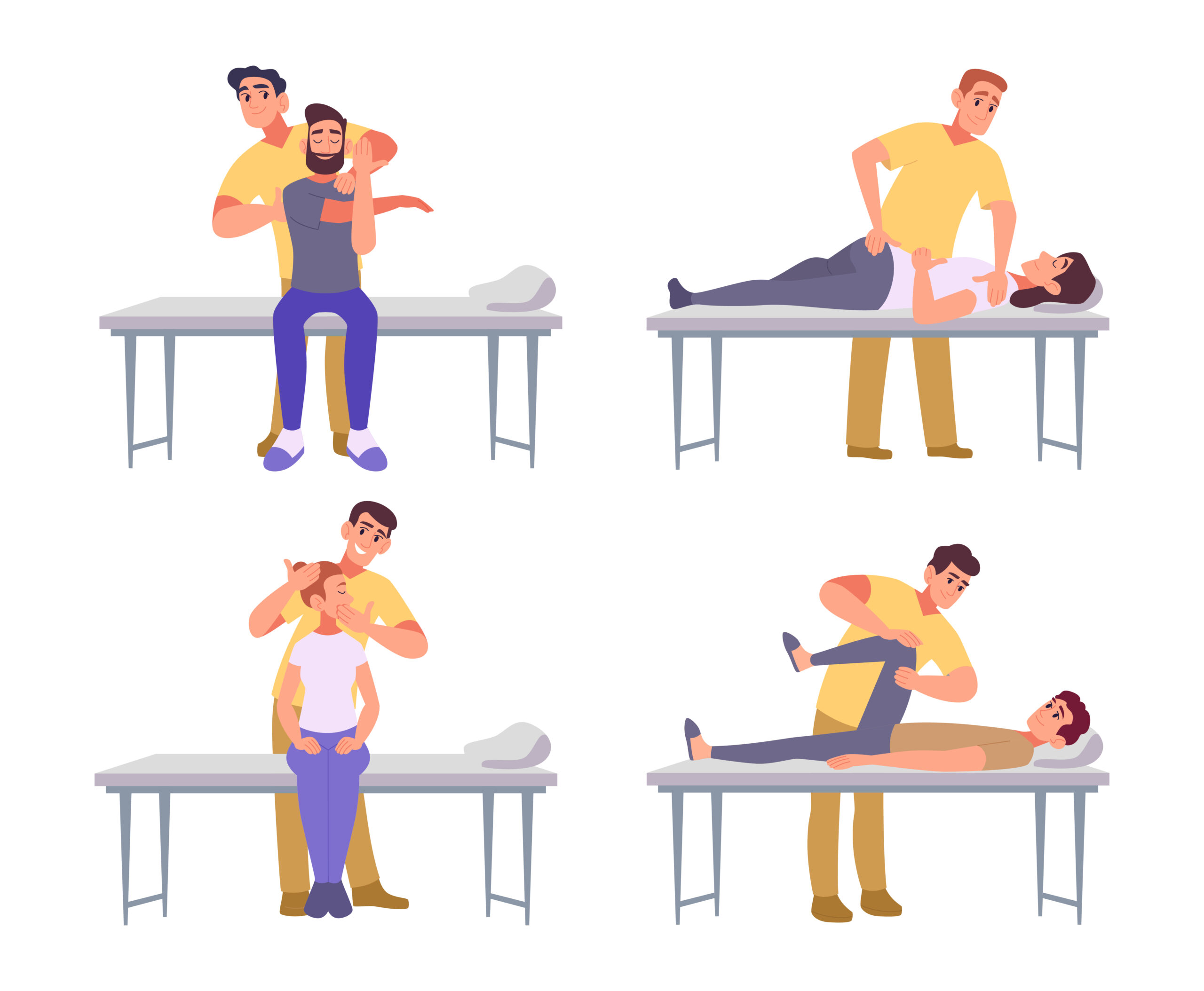
Chronic shoulder pain affects many veterans due to service-related injuries, repetitive strain, or postural imbalances from military activities. Patient-centered storytelling allows chiropractors to humanize recovery journeys, emphasizing individual progress over generalized outcomes. By focusing on veterans’ unique experiences, these narratives build trust and demonstrate how chiropractic care aligns with their specific needs. This approach acknowledges the emotional and physical challenges of long-term pain, fostering a sense of community and shared resilience. Storytelling also highlights the role of personalized care, showing how adjustments, soft tissue work, and rehabilitation strategies can address complex, persistent conditions. For veterans, hearing from peers who have navigated similar struggles can be deeply validating, reinforcing the value of chiropractic support in their healing process.
Creating Authentic Narratives Through Veteran Perspectives
Effective patient-centered stories begin with authentic voices. Chiropractors can collaborate with veterans to craft testimonials that reflect their personal challenges, milestones, and the role of care in their recovery. Emphasizing specific moments—such as regaining mobility, returning to hobbies, or reducing reliance on medication—adds emotional depth. Including details about service history, like injuries sustained during deployment or physical demands of military life, contextualizes the pain and recovery journey. These narratives should avoid medical jargon, focusing instead on relatable language that resonates with both veterans and their families. By centering the veteran’s perspective, chiropractors can create stories that feel genuine, inspiring, and informative, while respecting the individual’s privacy and autonomy.
Highlighting Long-Term Recovery and Resilience
Chronic shoulder pain often requires sustained care, and veteran testimonials can showcase the long-term benefits of chiropractic interventions. Stories should emphasize gradual progress, such as improved range of motion, reduced inflammation, or enhanced daily functionality. Highlighting resilience—like a veteran returning to physical activities or overcoming setbacks—reinforces the value of consistent, patient-centered care. Including milestones, such as completing a rehabilitation program or resuming work, provides tangible examples of success. These narratives also address the emotional toll of chronic pain, illustrating how chiropractic support contributes to overall well-being. By focusing on endurance and adaptation, veterans’ stories become powerful tools for encouraging others facing similar challenges, while underscoring the importance of tailored, ongoing care.
Integrating Holistic Approaches in Veteran Testimonials
Chiropractic care for chronic shoulder pain often involves more than adjustments. Veteran testimonials can highlight complementary strategies like posture correction, ergonomic modifications, or stress management techniques. For example, a story might describe how a veteran learned to adjust their sleeping position or modify work tasks to reduce strain. Including discussions of nutrition, sleep, or mental health support—when relevant—demonstrates a holistic approach to recovery. These narratives can also address the intersection of physical and emotional well-being, showing how chiropractic care supports overall resilience. By showcasing these integrated methods, veterans’ stories reinforce the idea that recovery is multifaceted, requiring collaboration between the patient and provider to achieve lasting results.
Using Storytelling to Build Trust and Community
Shared stories create a sense of connection, especially for veterans who may feel isolated by their pain. Chiropractors can use testimonials to foster community by organizing group discussions or online forums where veterans share experiences. These platforms allow individuals to exchange practical advice, emotional support, and encouragement, reinforcing the value of peer-driven recovery. Storytelling also builds trust between patients and providers, as veterans see their struggles reflected in others’ journeys. By highlighting diverse recovery paths—whether through adjustments, soft tissue therapy, or lifestyle changes—chiropractors demonstrate flexibility and commitment to individual needs. This approach not only empowers veterans but also strengthens the provider-patient relationship, creating a supportive environment for long-term healing.
Measuring Success Through Patient Feedback and Outcomes
Effectiveness of patient-centered storytelling can be evaluated through qualitative and quantitative feedback. Chiropractors can gather insights by asking veterans to reflect on how narratives influenced their treatment decisions or recovery mindset. Surveys or interviews might reveal how stories impacted confidence in care or motivation to adhere to recommendations. While specific outcomes like pain reduction or mobility improvements should be discussed with providers, testimonials can highlight general trends, such as increased engagement or improved quality of life. By analyzing these responses, chiropractors refine their storytelling strategies, ensuring they remain relevant and impactful. Ultimately, patient feedback helps shape a care model that prioritizes both clinical outcomes and the human experience, reinforcing the role of storytelling in chronic pain management.