
Understanding the Link Between PTSD and Musculoskeletal Challenges
Post-traumatic stress disorder (PTSD) often manifests with physical symptoms, including chronic pain and posture-related issues, due to heightened muscle tension, stress-induced inflammation, and altered movement patterns. Veterans, in particular, may experience these challenges as a result of combat-related trauma, prolonged physical strain, or repetitive injuries. Chiropractic care offers a non-invasive approach to address these complex needs by focusing on spinal alignment, soft tissue health, and functional mobility. While research on PTSD-specific chiropractic interventions is evolving, many practitioners report that addressing musculoskeletal imbalances can complement traditional mental health treatments, promoting holistic wellness.
Key Chiropractic Techniques for Chronic Pain Relief
Chiropractors often use spinal adjustments to reduce nerve interference and alleviate pain caused by misalignments. Techniques like Active Release Technique (ART) target soft tissue restrictions, which may improve mobility and reduce discomfort in areas affected by chronic tension. Decompression therapy can also be beneficial for conditions like herniated discs, which may contribute to persistent pain. For veterans with PTSD, these methods can help break the cycle of physical discomfort that often exacerbates mental health symptoms. However, the effectiveness of these techniques varies based on individual needs, making personalized assessments critical. A qualified chiropractor can tailor a plan that aligns with a veteran’s specific diagnosis and overall care goals.
Posture Correction and Spinal Alignment Strategies
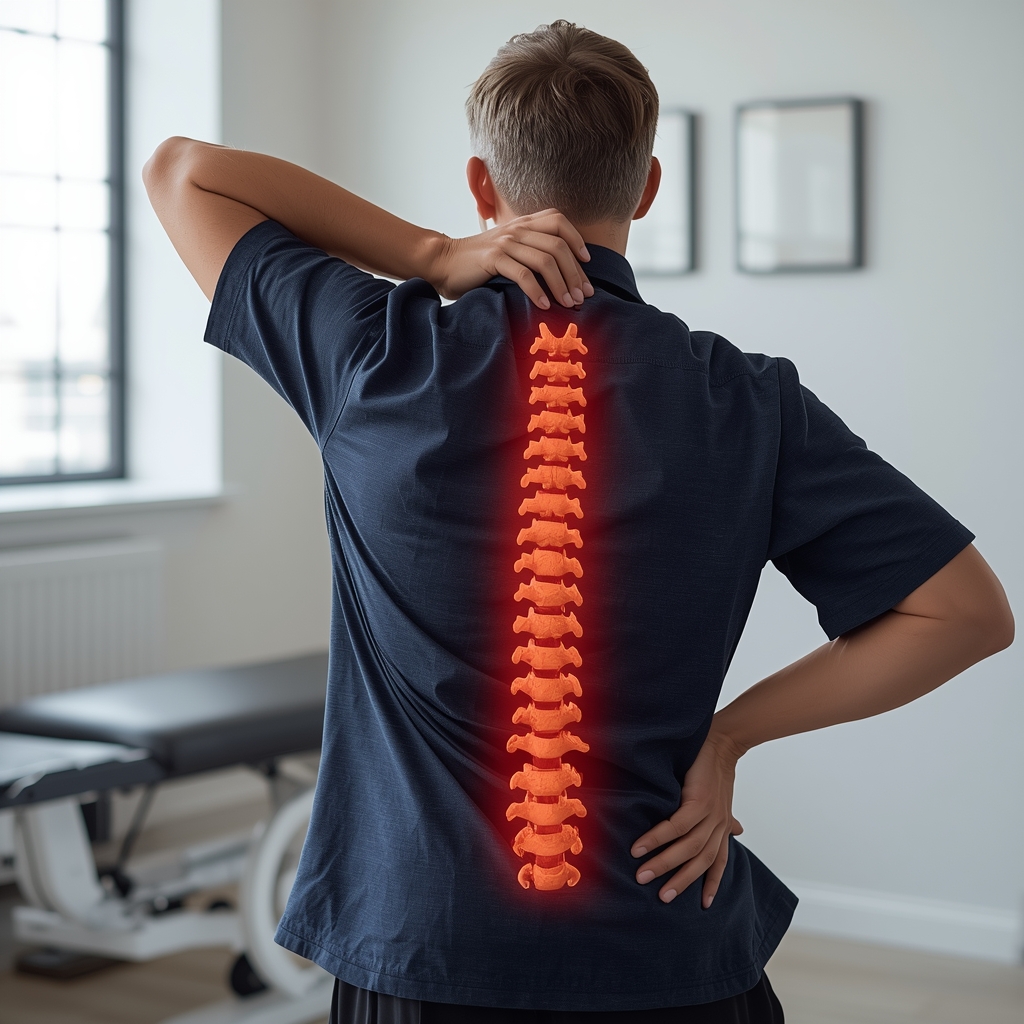
Posture-related issues, such as forward head positioning or rounded shoulders, are common among individuals with chronic pain and PTSD. Chiropractors employ posture correction techniques to realign the spine and reduce strain on muscles and joints. This may involve targeted adjustments, ergonomic recommendations, and corrective exercises to reinforce proper body mechanics. For veterans, these interventions can ease physical discomfort while fostering a sense of control over their bodies, which may positively impact mental well-being. Combining spinal adjustments with lifestyle modifications, such as improved sitting habits or workplace ergonomics, can create long-term benefits. As with other treatments, a chiropractor’s guidance is essential to ensure safe and effective implementation.
Integrating Chiropractic Care with Holistic Approaches
Many chiropractors collaborate with other healthcare providers to create multidisciplinary treatment plans for veterans. This may include referrals to physical therapists, mental health professionals, or nutritionists to address the interconnected nature of physical and emotional health. Techniques like dry needling or massage therapy can complement spinal adjustments by reducing muscle tightness and enhancing recovery. Veterans may also benefit from stress-reduction practices, such as mindfulness or breathing exercises, which can lower overall tension. While chiropractic care is a cornerstone of musculoskeletal support, integrating it with other therapies can provide a more comprehensive approach to managing chronic pain and posture issues.
Considerations for Veterans Seeking Chiropractic Care
When working with veterans, chiropractors must consider the unique challenges associated with PTSD, such as sensory sensitivities or trauma histories. A trauma-informed approach ensures that treatments are delivered with empathy and flexibility, prioritizing the patient’s comfort and trust. Open communication between the veteran and chiropractor is vital to address concerns and adjust techniques as needed. Veterans should also verify that their care aligns with any existing healthcare plans or military benefits. While chiropractic care can be a valuable tool, it should always be part of a broader treatment strategy discussed with a qualified healthcare provider to ensure safety and effectiveness.
Conclusion: A Collaborative Path to Wellness
Chiropractic techniques offer promising support for veterans managing chronic pain and posture-related issues linked to PTSD. By focusing on spinal health, soft tissue function, and postural alignment, these interventions can reduce physical discomfort and enhance overall quality of life. However, success depends on individualized care plans that account for each veteran’s unique medical history and needs. Veterans are encouraged to consult with licensed chiropractors who understand the complexities of PTSD and its physical manifestations. With a collaborative approach, chiropractic care can play a meaningful role in the journey toward holistic recovery and resilience.













