
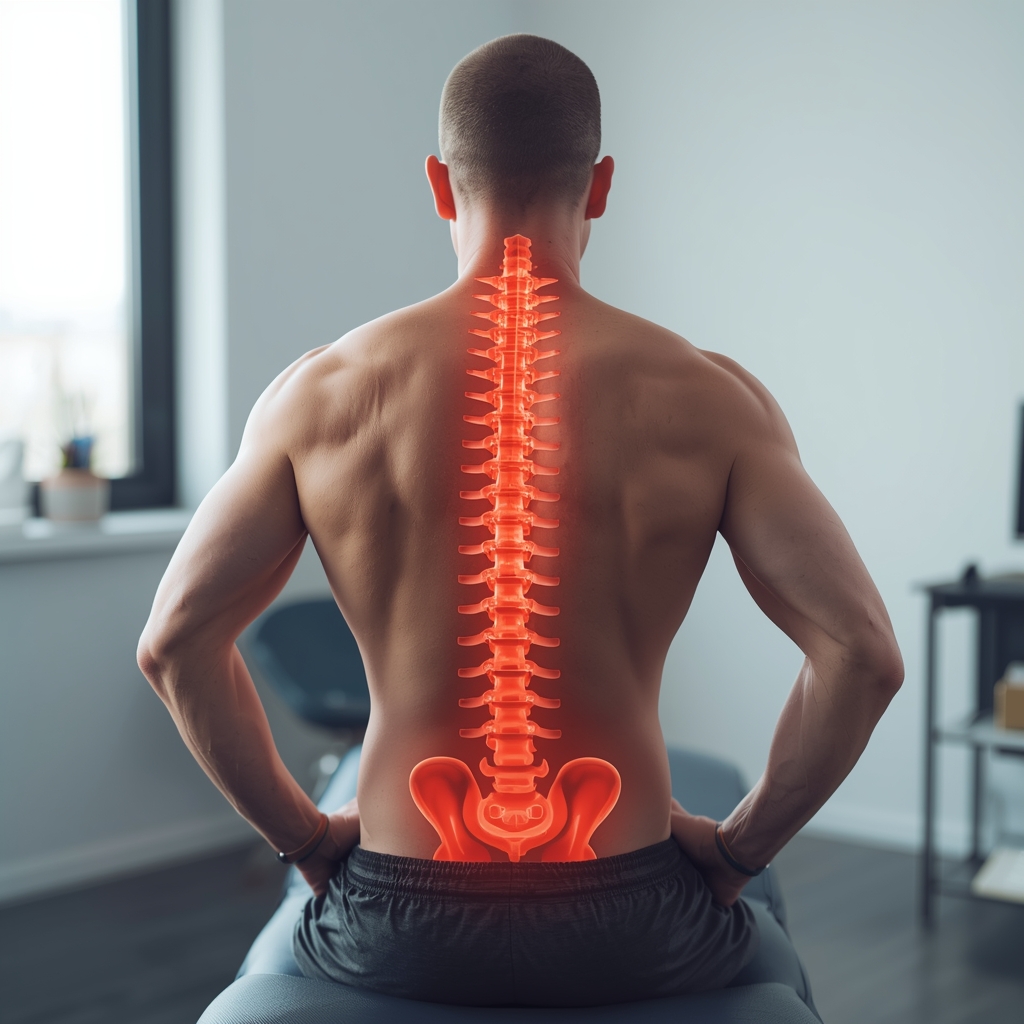
Understanding PTSD-Related Muscle Tension in Veterans
Post-Traumatic Stress Disorder (PTSD) often manifests physically, with muscle tension being a common symptom among military veterans. This tension arises from the body's stress response, which can lead to chronic tightness in areas like the neck, shoulders, and back. While PTSD is primarily a mental health condition, its physical effects are significant and can impact overall well-being. Chiropractic care offers non-invasive strategies to address these symptoms, focusing on restoring balance to the musculoskeletal system. By targeting misalignments and promoting relaxation, chiropractors aim to alleviate the physical burden of PTSD, complementing traditional mental health treatments. This approach highlights the interconnectedness of mind and body, emphasizing holistic care for veterans.
Spinal Adjustments and Nervous System Regulation
Spinal adjustments are a cornerstone of chiropractic care, particularly for veterans experiencing PTSD-related muscle tension. These manual techniques aim to correct spinal misalignments, which can disrupt nervous system function and contribute to chronic stress. By realigning the spine, chiropractors help reduce pressure on nerves, potentially easing muscle tightness and improving overall relaxation. This process may also support the body's natural ability to manage stress, as a properly aligned spine can enhance communication between the brain and organs. While research on PTSD-specific outcomes is limited, studies on stress and musculoskeletal health suggest that spinal care can play a supportive role. Veterans considering this approach should consult a qualified chiropractor to determine if it aligns with their individual needs.
Soft Tissue Therapies for Muscle Relaxation
Soft tissue therapies, such as massage and myofascial release, are valuable tools for addressing PTSD-related muscle tension. These techniques target specific areas of tightness, breaking up knots and improving blood flow to affected regions. For veterans, this can provide relief from the persistent stress-induced rigidity that often accompanies PTSD. Chiropractors may incorporate these methods to complement spinal adjustments, creating a more comprehensive treatment plan. By reducing muscle strain, soft tissue therapies can also help lower overall stress levels, fostering a sense of physical and emotional ease. While not a standalone solution, these approaches are often used alongside other chiropractic strategies. Veterans interested in this option should discuss their goals with a chiropractor to ensure a tailored, safe experience.
Stress and Anxiety Relief Through Chiropractic Techniques
Chiropractic care extends beyond physical adjustments to address the psychological components of PTSD. Techniques like guided breathing exercises, mindfulness integration, and gentle manipulations can help reduce anxiety and promote relaxation. These methods work by calming the nervous system, which is often overactive in individuals with PTSD. Chiropractors may also recommend lifestyle adjustments, such as posture corrections and ergonomic modifications, to support long-term stress management. While not a substitute for mental health therapy, these strategies can enhance overall well-being by addressing the body's response to stress. Veterans seeking relief should explore these options in collaboration with their healthcare team, ensuring a coordinated approach to their care.
Integrative Approaches for Holistic Care
Combining chiropractic care with other therapeutic modalities can enhance outcomes for veterans managing PTSD-related muscle tension. Techniques such as acupuncture, physical therapy, and counseling may be integrated to address both physical and emotional aspects of stress. Chiropractors often work alongside mental health professionals to create a cohesive treatment plan, ensuring that all interventions align with the patient's goals. This collaborative approach recognizes the complexity of PTSD and the need for multifaceted solutions. By addressing the body and mind together, veterans may experience more profound relief from their symptoms. Open communication between healthcare providers is essential to optimize care and avoid conflicting treatments.
Consulting a Chiropractor for Personalized Care
Each veteran's experience with PTSD and muscle tension is unique, making personalized chiropractic care essential. A qualified chiropractor can assess individual needs, considering factors like injury history, lifestyle, and mental health status. This evaluation helps determine the most appropriate techniques, such as spinal adjustments, soft tissue work, or stress-reduction strategies. Veterans should prioritize finding a chiropractor with experience in treating military populations, as they may better understand the specific challenges faced. Regular consultations allow for adjustments to the care plan, ensuring it remains effective over time. Ultimately, working with a trusted provider empowers veterans to take an active role in their recovery, fostering a sense of control and well-being.














