
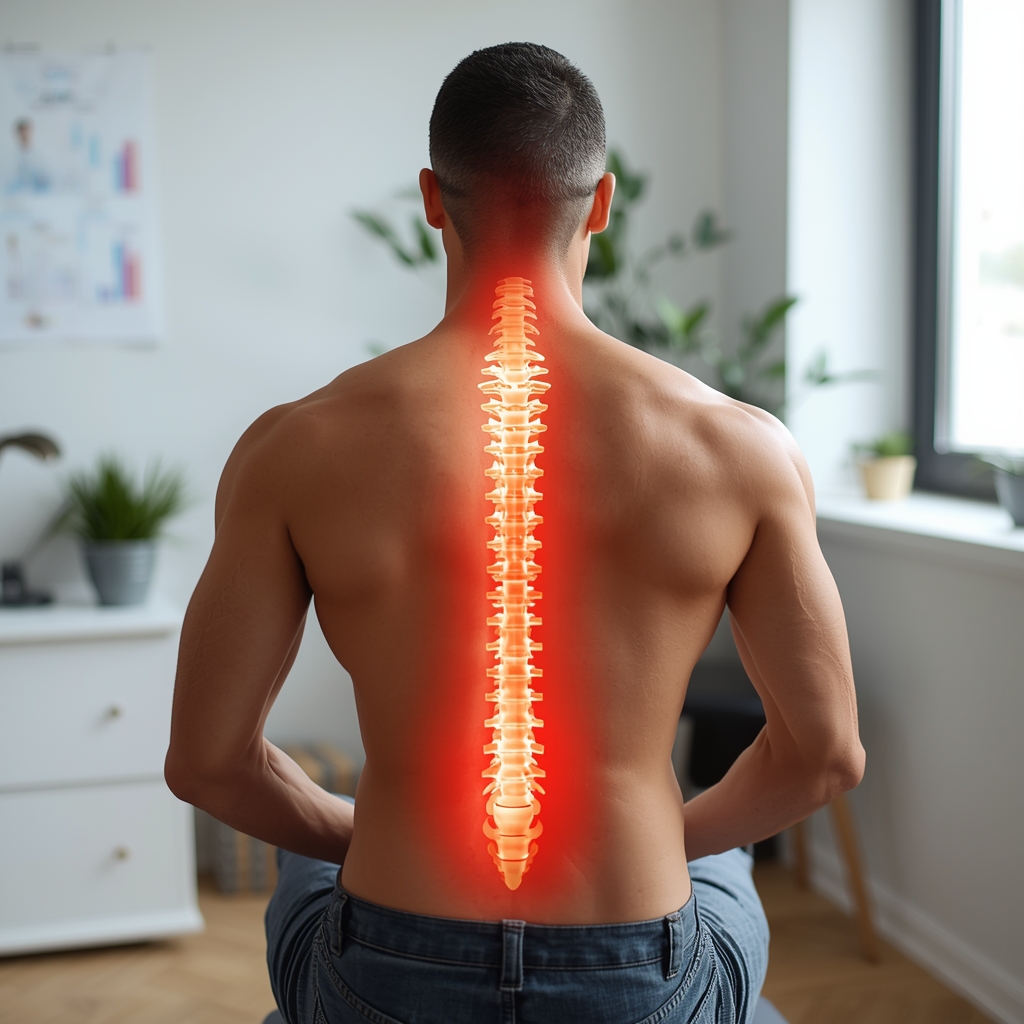
Understanding the Link Between PTSD and Muscle Tension
Post-Traumatic Stress Disorder (PTSD) often manifests not only as psychological distress but also as persistent physical symptoms, including chronic muscle tension. Veterans, in particular, may experience this tension due to prolonged stress, hyperarousal, or unresolved trauma. The body’s natural response to stress involves the release of adrenaline and cortisol, which can lead to muscle tightness, especially in the neck, shoulders, and back. Over time, this tension may contribute to chronic pain, reduced mobility, and a cycle of discomfort that exacerbates mental health challenges. Chiropractic care addresses these physical manifestations by targeting the musculoskeletal system, aiming to restore balance and reduce the physiological effects of stress.
How Chiropractic Adjustments Alleviate Tension
Chiropractic adjustments focus on realigning the spine and improving nervous system function, which can directly impact muscle tension. When the spine is misaligned, it may interfere with nerve signals, leading to increased muscle stiffness and pain. By gently adjusting the spine, chiropractors can relieve pressure on nerves, reduce inflammation, and promote relaxation in overworked muscles. This process not only eases physical discomfort but also supports the body’s natural ability to manage stress. For veterans, this can be particularly beneficial, as it addresses both the physical and neurological components of PTSD-related tension, fostering a sense of calm and improved mobility.
Effective Techniques for PTSD-Related Tension
Several chiropractic techniques are well-suited for addressing chronic muscle tension linked to PTSD. Spinal manipulation is a cornerstone approach, targeting misalignments that contribute to discomfort. Soft tissue therapies, such as Active Release Technique (ART) or myofascial release, can also be effective in breaking up adhesions and easing tight muscles. Additionally, therapies like cold laser treatment or electrical stimulation may help reduce inflammation and promote healing. Chiropractors often tailor these methods to the individual’s needs, ensuring a holistic approach that prioritizes comfort and long-term relief. These techniques work in tandem with the body’s natural rhythms, offering a non-invasive way to manage stress-induced musculoskeletal issues.
The Role of Nervous System Regulation
The nervous system plays a critical role in how the body processes stress and tension. Chronic PTSD can disrupt the balance between the sympathetic (fight-or-flight) and parasympathetic (rest-and-digest) nervous systems, leading to persistent muscle tightness. Chiropractic adjustments aim to restore this balance by improving spinal alignment and nerve communication. When the spine is properly aligned, it allows the nervous system to function more efficiently, which can reduce the body’s stress response and alleviate muscle tension. This neurological support is especially valuable for veterans, as it addresses the interconnected nature of physical and mental health, offering a pathway to greater overall well-being.
Personalized Care for Veterans
Each veteran’s experience with PTSD and muscle tension is unique, requiring a personalized approach to care. Chiropractors work closely with patients to develop customized treatment plans that address specific symptoms and lifestyle factors. This may involve a combination of adjustments, soft tissue work, and lifestyle recommendations to support long-term relief. For veterans, this individualized care can be empowering, as it acknowledges their distinct challenges and goals. By fostering a collaborative relationship, chiropractors help patients take an active role in their healing journey, promoting both physical comfort and emotional resilience. Such tailored support can make a significant difference in managing chronic tension and improving quality of life.
Collaborative Approaches for Holistic Healing
Chiropractic care is most effective when integrated with other therapeutic approaches, particularly for veterans dealing with complex PTSD-related issues. Collaboration with mental health professionals, physical therapists, and primary care providers ensures a comprehensive strategy that addresses both physical and psychological needs. For example, combining chiropractic adjustments with counseling or mindfulness practices can enhance stress management and muscle relaxation. Veterans are encouraged to communicate openly with their healthcare team to create a cohesive plan that aligns with their goals. This multidisciplinary approach not only maximizes the benefits of chiropractic care but also reinforces a supportive environment for healing, helping veterans achieve greater balance and well-being.














