
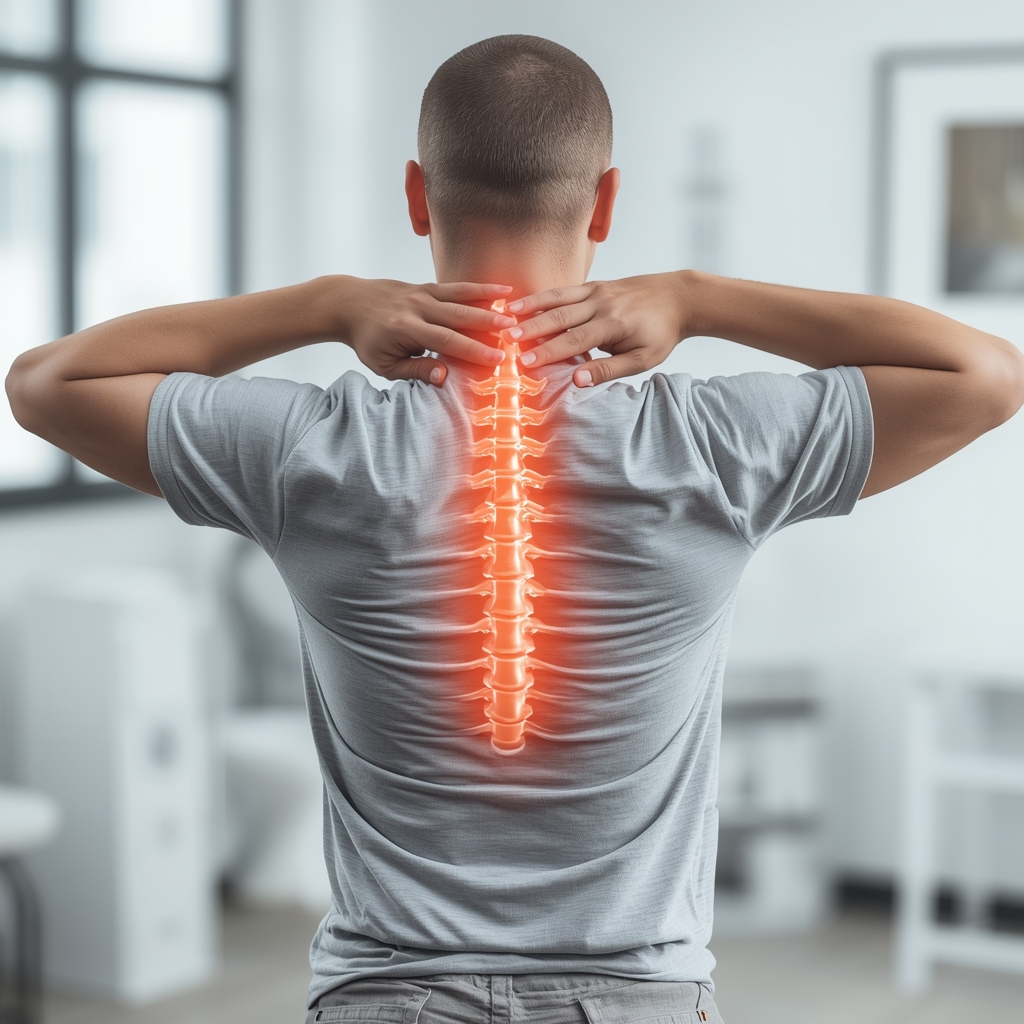
Understanding the Link Between PTSD and Musculoskeletal Pain
Post-traumatic stress disorder (PTSD) is prevalent among military veterans, often coexisting with chronic musculoskeletal pain. The physical and emotional toll of combat can lead to tension, poor posture, and repetitive strain, exacerbating conditions like back pain, joint stiffness, and headaches. While PTSD primarily affects mental health, its physiological impacts—such as heightened stress responses and muscle tightness—can manifest as persistent musculoskeletal discomfort. Chiropractic care offers a non-invasive approach to address these interconnected issues, focusing on restoring physical function and reducing pain without medication.
How Chiropractic Care Addresses PTSD-Related Pain
Chiropractic care targets musculoskeletal pain by realigning the spine and improving nervous system function. For veterans with PTSD, this can alleviate physical symptoms that may be worsened by stress or trauma-related habits, such as bracing or restricted movement. Spinal adjustments, soft tissue therapy, and rehabilitative exercises aim to reduce inflammation, enhance mobility, and promote overall well-being. By addressing structural imbalances, chiropractors help ease the body’s physical burden, potentially improving mental health outcomes as well.
Key Techniques for Veterans with PTSD and Pain
Several chiropractic techniques are particularly beneficial for veterans experiencing PTSD-related musculoskeletal pain. Spinal manipulation helps correct misalignments, while soft tissue therapies like Active Release Technique (ART) target muscle tension and adhesions. Chiropractors may also incorporate myofascial release, trigger point therapy, and therapeutic exercises to improve flexibility and strength. These methods work together to reduce pain, enhance range of motion, and support the body’s natural healing processes, offering a complementary approach to traditional PTSD treatments.
The Role of Chiropractic in Holistic PTSD Management
Chiropractic care is often part of a broader, integrative strategy for managing PTSD. By addressing physical discomfort, it can indirectly support mental health by reducing stress and improving sleep quality. Techniques such as cold laser therapy and electrical stimulation may also help with pain relief and nerve function. Veterans may find that combining chiropractic care with counseling, mindfulness practices, or physical therapy creates a more comprehensive approach to recovery. This holistic perspective emphasizes the mind-body connection, fostering resilience and long-term wellness.
Personalized Treatment Plans for Unique Needs
Every veteran’s experience with PTSD and musculoskeletal pain is distinct, requiring tailored chiropractic care. A thorough evaluation helps identify specific pain sources, movement limitations, and underlying factors like trauma-related muscle tension. Treatment plans may evolve over time, incorporating adjustments, rehabilitative exercises, and lifestyle recommendations. Open communication between the veteran and chiropractor ensures that care adapts to changing needs, promoting gradual improvement and sustained relief. This individualized approach respects the complexity of PTSD and its physical manifestations.
Consulting a Chiropractor for Safe, Effective Care
While chiropractic care can be beneficial, veterans should consult a qualified provider to discuss their unique situation. A chiropractor can assess whether techniques like spinal adjustments or soft tissue therapy are appropriate, considering any existing injuries or medical conditions. It’s important to view chiropractic care as part of a broader health strategy, alongside mental health support and other therapies. By working with a trusted professional, veterans can explore safe, evidence-based options to manage pain and enhance their quality of life.














