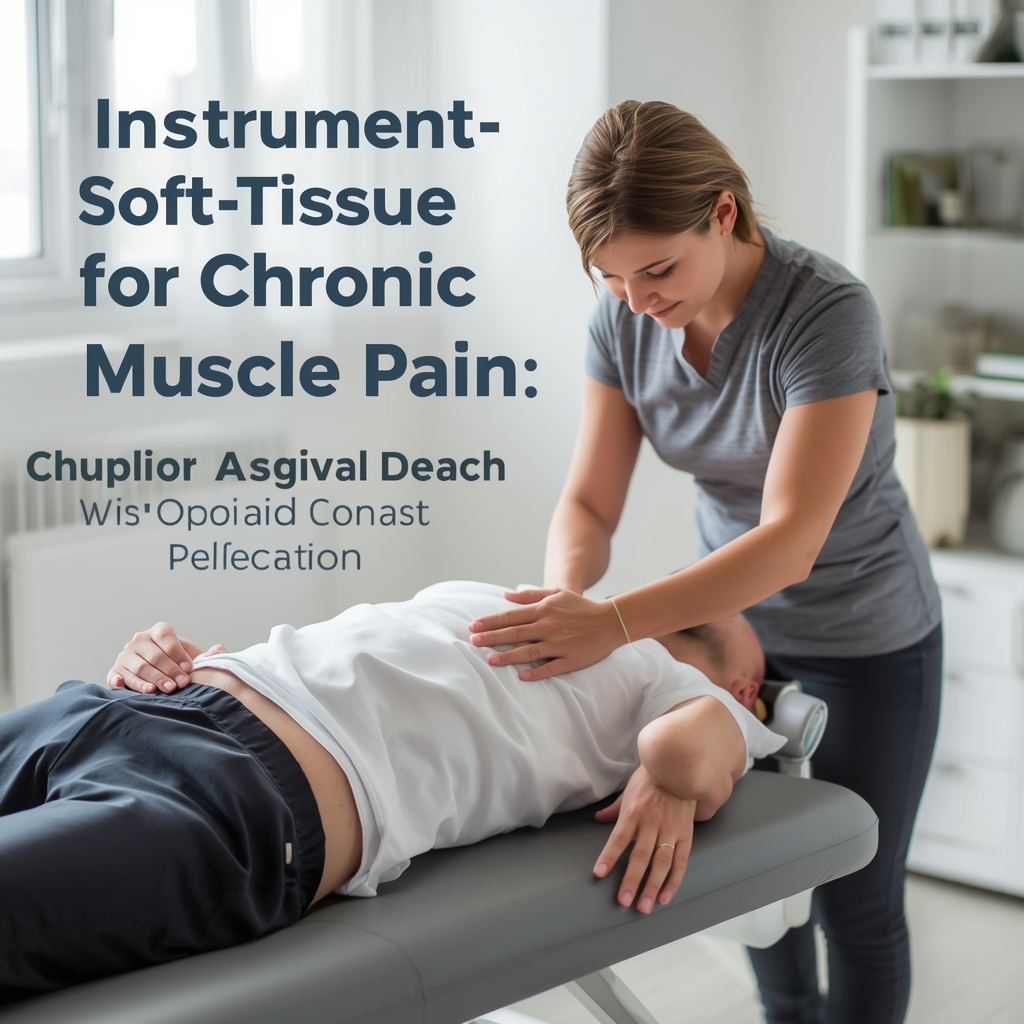
Understanding Instrument-Assisted Soft Tissue Mobilization (IASTM)
Instrument-assisted soft tissue mobilization (IASTM) is a therapeutic approach that uses specialized tools to address musculoskeletal pain and dysfunction. These techniques target soft tissues such as muscles, tendons, and fascia, aiming to break down scar tissue, reduce adhesions, and improve circulation. By applying controlled pressure and friction, IASTM can alleviate chronic muscle pain by restoring normal tissue function. This method is often used alongside other therapies to enhance recovery. It is particularly valued for its non-invasive nature and ability to avoid reliance on medications like opioids. While IASTM is not a standalone solution, it offers a drug-free option for managing persistent discomfort. Patients often report improved mobility and reduced pain after sessions, making it a popular choice in holistic care plans.
Common Techniques and Tools Used in IASTM
Several techniques and tools are central to IASTM, with the Graston Technique and ASTYM being among the most recognized. The Graston Technique employs stainless steel instruments to detect and treat areas of restricted movement, while ASTYM uses flexible, ergonomic tools to stimulate tissue repair. Both methods focus on identifying and addressing soft tissue restrictions through precise, targeted movements. These tools allow practitioners to access deeper layers of muscle and connective tissue than manual techniques alone. The choice of method depends on the patient’s condition and the practitioner’s expertise. While each technique has unique applications, their shared goal is to promote healing and reduce chronic pain. By integrating these tools into treatment plans, clinicians can offer patients a structured, evidence-based approach to managing long-term discomfort without pharmaceutical intervention.
How IASTM Addresses Chronic Muscle Pain
IASTM works by mechanically stimulating soft tissues to disrupt scar tissue and adhesions that contribute to chronic pain. This process encourages the body’s natural healing response, increasing blood flow and reducing inflammation. By breaking down restrictive bands in muscles and fascia, IASTM can restore range of motion and alleviate discomfort. The controlled pressure applied during sessions helps desensitize painful areas, making it easier for patients to engage in movement and rehabilitation. This technique is particularly effective for conditions like myofascial pain syndrome, where tight, tender muscle knots persist. It also supports the reabsorption of fluid buildup in injured tissues, promoting faster recovery. While results vary, many patients experience measurable improvements in pain levels and functional ability. The non-invasive nature of IASTM makes it a viable option for those seeking alternatives to medication or surgery.
Effectiveness and Patient Outcomes
Patients often report significant relief from chronic muscle pain after IASTM sessions, though individual results depend on factors like the severity of the condition and consistency of treatment. Clinicians note that IASTM can enhance the effectiveness of other therapies, such as stretching and strengthening exercises. While specific data on success rates is limited, anecdotal evidence and clinical observations suggest it is a valuable tool in pain management. Many individuals find that IASTM reduces the need for pain medications, aligning with broader efforts to minimize opioid use. It is particularly beneficial for those with persistent discomfort from overuse injuries, postural imbalances, or repetitive strain. The technique’s adaptability allows practitioners to tailor treatments to each patient’s needs. However, it is essential to work with a qualified provider to ensure safe and effective application. Ongoing research continues to explore its long-term benefits and optimal protocols.
Considerations and Safety
While IASTM is generally safe when performed by trained professionals, it is not without risks. Patients should discuss their medical history with a chiropractor to determine if this approach is suitable for their condition. Certain contraindications, such as open wounds, severe osteoporosis, or acute inflammation, may make IASTM inappropriate. Side effects like temporary bruising or soreness are common but typically resolve quickly. It is crucial to seek treatment from a licensed practitioner with experience in these techniques. Patients should also communicate any discomfort during sessions to ensure adjustments are made. IASTM should never replace necessary medical care but can complement it as part of a comprehensive plan. Regular follow-ups with a healthcare provider help monitor progress and address any concerns. When used correctly, IASTM offers a safe, non-pharmacological option for managing chronic muscle pain.
Integrating IASTM into a Holistic Pain Management Plan
IASTM is most effective when incorporated into a broader approach to pain management. Combining it with exercises, posture correction, and lifestyle modifications can enhance long-term outcomes. For example, strengthening weak muscles and improving flexibility can prevent future injuries and reduce reliance on passive treatments. Chiropractors often recommend IASTM alongside adjustments, massage therapy, or physical therapy to address multiple factors contributing to pain. Patients are encouraged to maintain open communication with their care team to refine their plan as needed. This integrative approach supports the body’s natural healing processes while minimizing the risk of overuse or dependency. It also empowers individuals to take an active role in their recovery. By addressing pain from multiple angles, IASTM becomes part of a sustainable strategy for managing chronic conditions without opioids.