
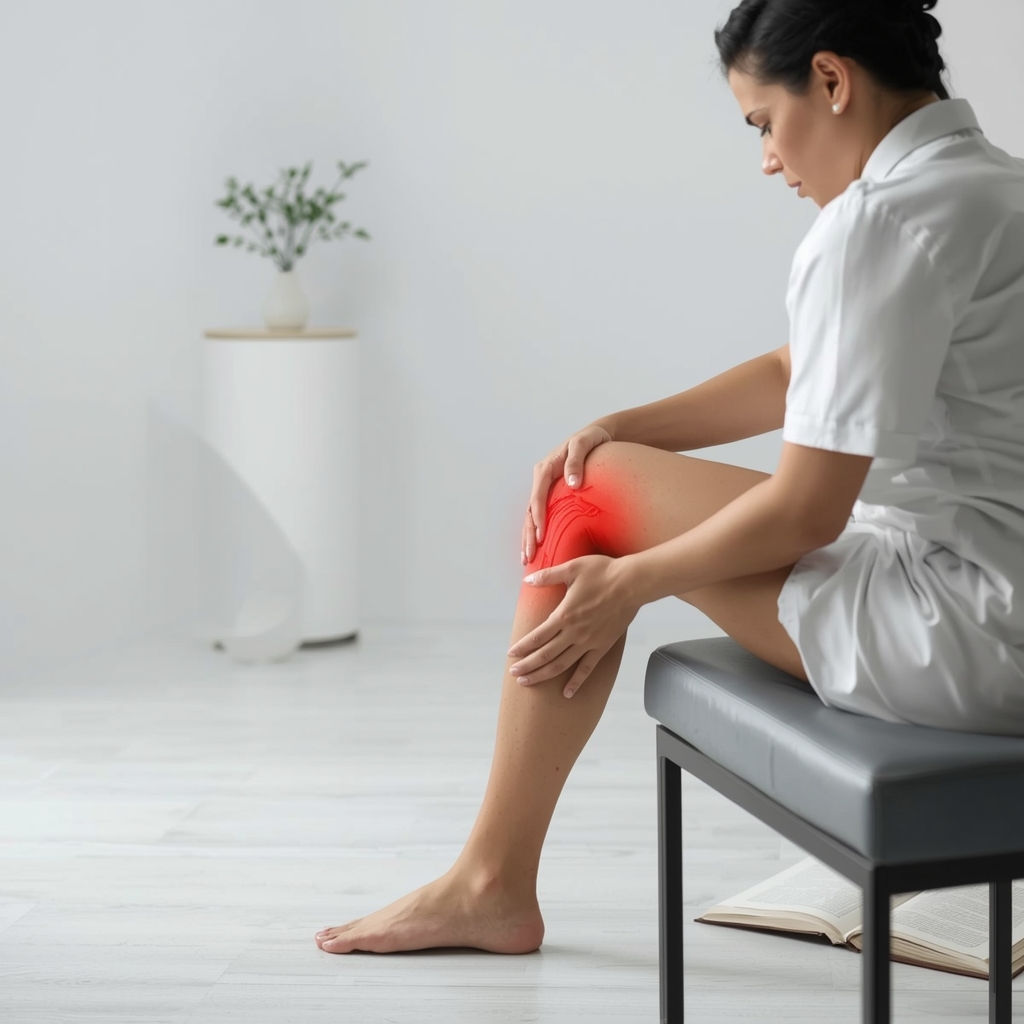
Understanding Instrument-Assisted Soft Tissue Mobilization
Instrument-Assisted Soft Tissue Mobilization (IASTM) is a therapeutic technique used to address musculoskeletal conditions by targeting soft tissues like muscles, tendons, and ligaments. Tools made of metal or plastic are used to detect and treat areas of restricted movement or scar tissue. For chronic knee osteoarthritis, IASTM may help alleviate pain by improving circulation, reducing inflammation, and restoring mobility. This method is often employed alongside other treatments, such as physical therapy or chiropractic adjustments, to enhance overall outcomes. While not a standalone solution, IASTM is valued for its non-invasive approach, making it an appealing option for those seeking alternatives to medication or surgery. Its application requires trained professionals to ensure safety and effectiveness.
How IASTM Addresses Knee Osteoarthritis
Chronic knee osteoarthritis involves the breakdown of cartilage, leading to pain, stiffness, and reduced function. IASTM aims to mitigate these symptoms by addressing soft tissue restrictions that may contribute to discomfort. By using specialized tools to apply controlled pressure, practitioners can break up adhesions and promote healing in affected areas. This process may also stimulate the body’s natural repair mechanisms, potentially reducing inflammation and improving joint function. While the exact mechanisms are not fully understood, many patients report improved mobility and pain relief after IASTM sessions. It is important to note that results vary, and IASTM is typically part of a broader treatment plan rather than a standalone intervention.
Evidence and Research on IASTM Effectiveness
Research on IASTM’s effectiveness for chronic knee osteoarthritis is ongoing, with studies exploring its impact on pain reduction and functional improvement. While some preliminary findings suggest benefits, the evidence remains limited and often inconclusive. Many trials focus on short-term outcomes, leaving long-term efficacy unclear. Additionally, the lack of standardized protocols makes it challenging to compare results across studies. Despite these gaps, IASTM is increasingly recognized as a complementary therapy within integrative medicine. Patients considering this approach should discuss its potential role with a qualified healthcare provider to determine if it aligns with their specific needs and treatment goals.
IASTM as a Non-Invasive Alternative
For individuals seeking alternatives to medication or invasive procedures, IASTM offers a non-invasive option to manage chronic knee osteoarthritis pain. Unlike opioids, which carry risks of dependency, IASTM focuses on addressing the root causes of discomfort through physical intervention. It also avoids the potential side effects associated with long-term use of anti-inflammatory drugs. While not a cure, IASTM can be part of a holistic strategy to improve quality of life. However, its effectiveness depends on factors such as the severity of the condition, the skill of the practitioner, and the patient’s adherence to complementary therapies. As with any treatment, it is crucial to consult a healthcare professional to evaluate its suitability for individual cases.
Considerations for Patients and Practitioners
Before pursuing IASTM for knee osteoarthritis, patients should consult a licensed chiropractor or physical therapist to assess their condition and treatment goals. Not all individuals may benefit equally, and certain factors—such as the stage of osteoarthritis or existing medical conditions—could influence outcomes. Practitioners must undergo proper training to ensure safe and effective application of IASTM techniques. Patients should also be aware of potential side effects, such as temporary soreness or bruising, and communicate any concerns during sessions. Open dialogue between patients and providers is essential to tailor the approach and monitor progress. IASTM is most effective when integrated into a comprehensive care plan that addresses the multifaceted nature of chronic knee pain.
Conclusion: Weighing the Benefits and Limitations
Instrument-Assisted Soft Tissue Mobilization presents a promising non-invasive option for managing chronic knee osteoarthritis pain, offering potential benefits such as improved mobility and reduced discomfort. However, its effectiveness varies among individuals, and more research is needed to establish definitive guidelines. While IASTM can complement traditional treatments, it is not a substitute for comprehensive medical care. Patients should work closely with healthcare professionals to determine if this approach aligns with their unique needs. As interest in drug-free pain relief grows, IASTM continues to gain attention as part of a broader movement toward integrative, patient-centered care for chronic conditions.














