
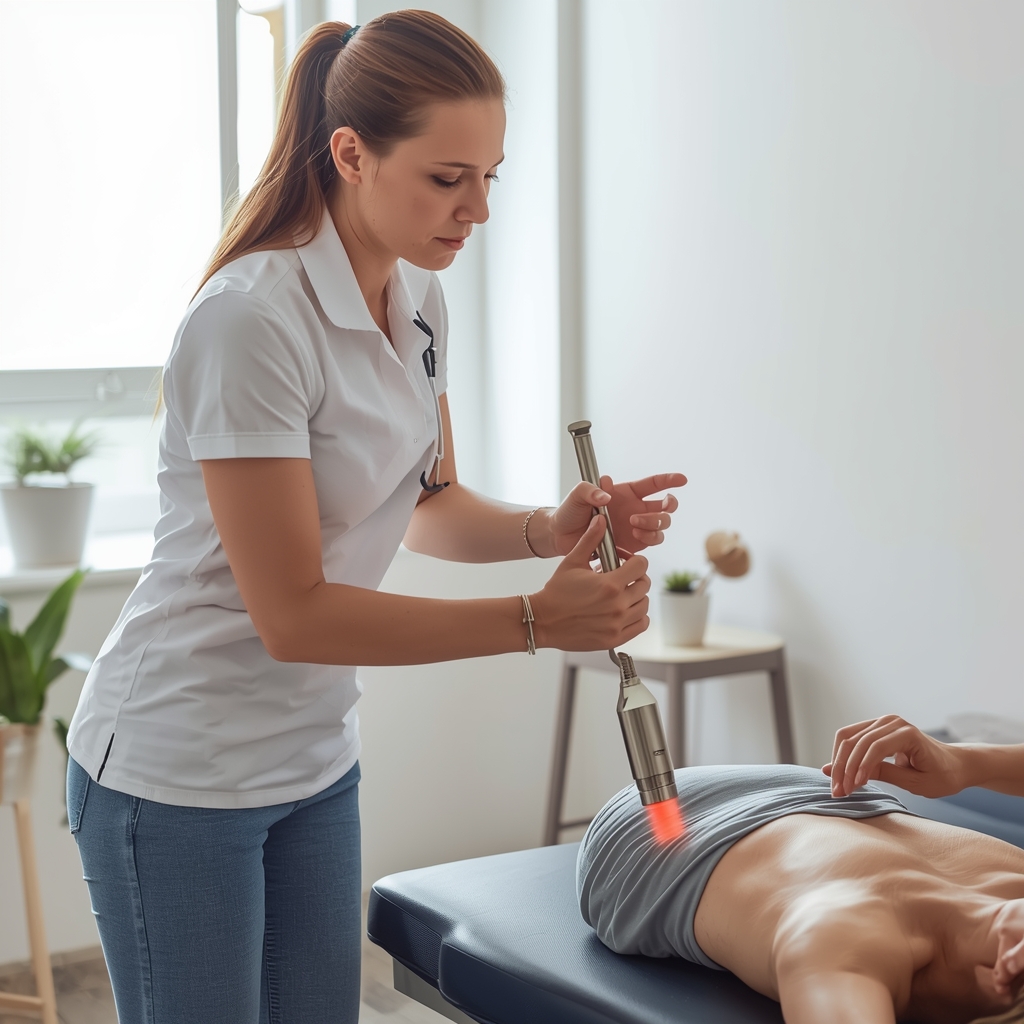
Understanding IASTM and Myofascial Pain
Instrument-Assisted Soft Tissue Mobilization (IASTM) is a therapeutic technique that uses specialized tools to address myofascial pain by targeting adhesions, scar tissue, and restricted movement in muscles and connective tissues. Myofascial pain, often caused by overuse, injury, or poor posture, can lead to localized tenderness and referred pain. IASTM tools—such as the Graston Technique’s stainless steel instruments—allow practitioners to detect and break down these restrictions, promoting improved flexibility and function. By combining manual pressure with controlled friction, IASTM stimulates the body’s natural healing processes, making it a complementary approach to traditional chiropractic adjustments. This method is particularly effective for conditions like muscle tightness, repetitive strain injuries, and chronic pain syndromes.
How IASTM Enhances Chiropractic Treatments
Chiropractic care often focuses on spinal alignment, but musculoskeletal pain frequently stems from soft tissue dysfunction. IASTM bridges this gap by addressing the root causes of pain beyond the spine. For example, tightness in the iliotibial band or thoracolumbar fascia can contribute to lower back or hip discomfort, which IASTM can alleviate. By releasing these restrictions, IASTM may enhance the effectiveness of spinal adjustments, allowing for better joint mobility and reduced compensatory patterns. This synergy can lead to faster recovery and long-term relief. Additionally, IASTM promotes increased blood flow and lymphatic drainage, which supports tissue repair and reduces inflammation. Chiropractors often use IASTM to prepare patients for adjustments or as part of a broader rehabilitation plan, ensuring a more holistic approach to musculoskeletal health.
Best Practices for IASTM Application
Proper technique is critical to maximizing the benefits of IASTM while minimizing risks. Practitioners should begin by assessing the patient’s condition, identifying areas of restriction, and determining the appropriate tool and pressure level. Tools are typically used with a lubricant to reduce friction and enhance glide over the skin. The goal is to apply controlled, sweeping motions along the muscle fibers, focusing on tender or restricted areas. Sessions usually last 10–20 minutes, with frequency depending on the patient’s needs. It’s essential to monitor for signs of excessive discomfort or bruising, which may indicate overuse. Patients should be educated on post-treatment care, such as hydration and gentle stretching, to support recovery. IASTM should always be performed by a trained professional to ensure safety and effectiveness, as improper use can lead to tissue damage or delayed healing.
Benefits of IASTM for Myofascial Pain Relief
IASTM offers several advantages for managing myofascial pain, including enhanced tissue extensibility, reduced pain sensitivity, and improved range of motion. By breaking down adhesions and scar tissue, the technique can restore normal muscle function and decrease pain signals transmitted to the nervous system. Many patients report immediate relief after sessions, with cumulative benefits over multiple treatments. IASTM also encourages the body’s natural inflammatory response, which aids in tissue remodeling and repair. This makes it particularly useful for chronic conditions that have not responded to conventional therapies. Additionally, IASTM can be integrated with other modalities like massage or exercise to create a comprehensive treatment plan. Its non-invasive nature and minimal side effects make it a valuable tool for patients seeking drug-free pain management options.
Common Applications and Patient Considerations
IASTM is widely used for conditions such as plantar fasciitis, tennis elbow, and hamstring strains, where soft tissue restrictions contribute to pain. It is also beneficial for post-injury rehabilitation, helping to prevent scar tissue buildup and restore function. However, not all patients are suitable candidates. Contraindications include acute inflammation, open wounds, or areas with compromised circulation. Practitioners must carefully evaluate each case to avoid exacerbating existing conditions. Patients with sensitive skin or bleeding disorders should be monitored closely. It’s important to communicate expectations and potential side effects, such as temporary bruising or soreness. IASTM is most effective when used as part of a personalized care plan, tailored to the individual’s goals and tolerance levels. Open dialogue between the patient and chiropractor ensures safe and effective outcomes.
Future Directions and Research
While IASTM is widely practiced, ongoing research aims to clarify its mechanisms and long-term efficacy. Current studies focus on its impact on tissue remodeling, pain modulation, and athletic performance. As evidence grows, IASTM may become more standardized in clinical settings, with clearer guidelines for tool selection and technique. Chiropractors are encouraged to stay informed about emerging research and continue refining their skills through advanced training. Patient education remains crucial, as understanding the purpose and process of IASTM can enhance compliance and satisfaction. Ultimately, IASTM represents a promising adjunct to chiropractic care, offering a non-invasive way to address myofascial pain and improve overall musculoskeletal health. As the field evolves, its role in integrative healthcare will likely expand, benefiting a broader range of patients.













