Understanding Plantar Fasciitis and Its Impact on Office Workers
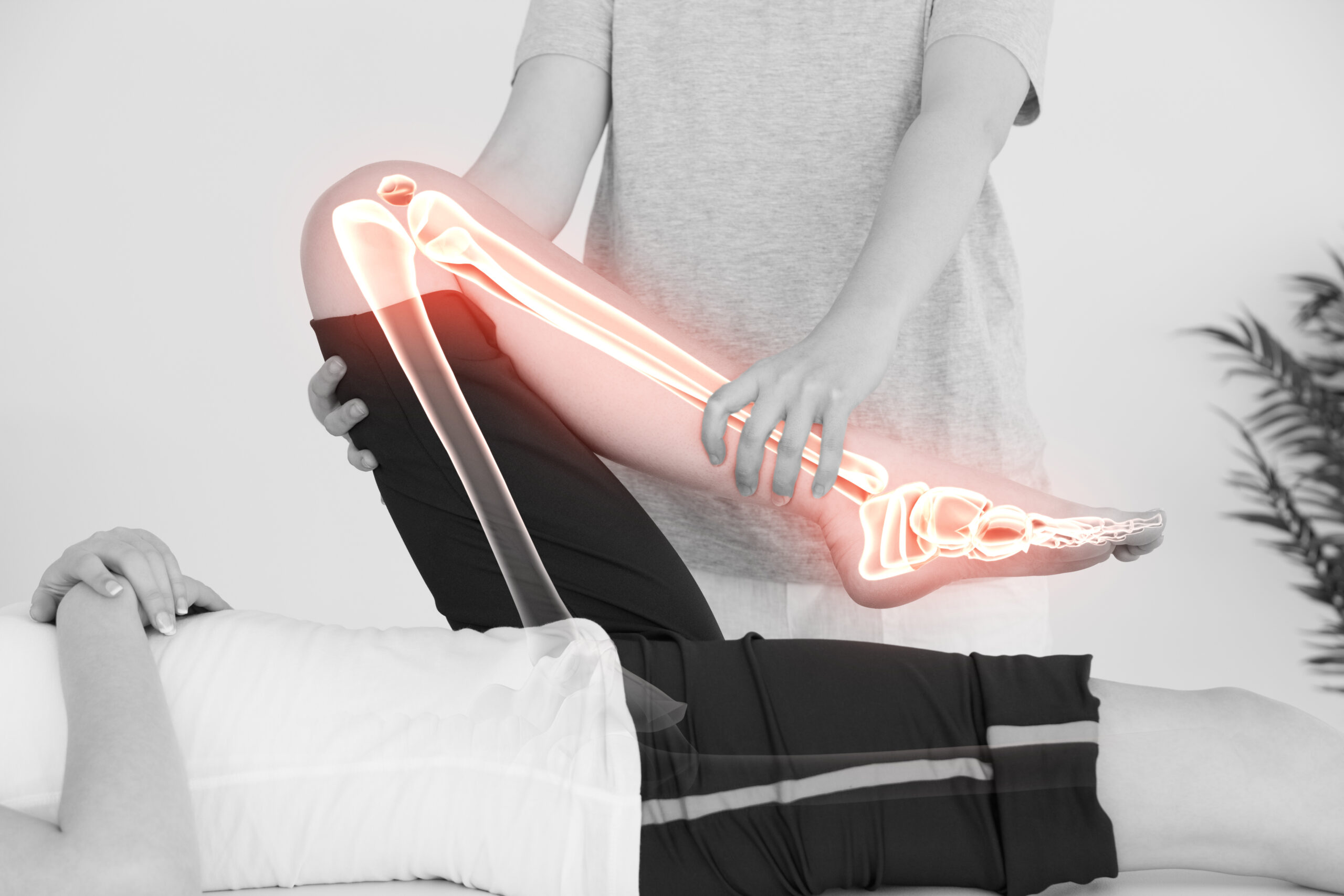
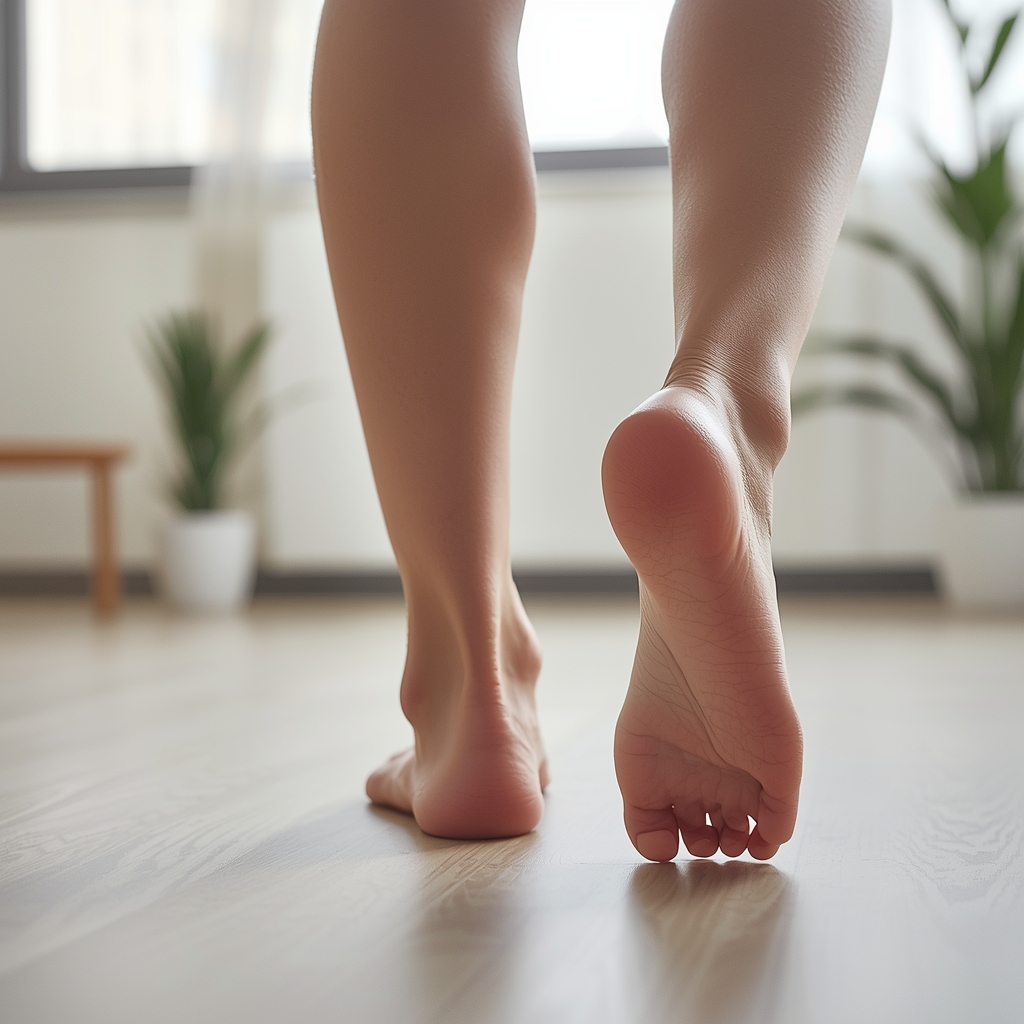
Plantar fasciitis, a common cause of heel pain, occurs when the thick band of tissue connecting the heel bone to the toes becomes inflamed. Office workers, who often spend long hours sitting or standing in one position, are particularly vulnerable to this condition. Prolonged immobility can lead to tightness in the plantar fascia, while repetitive strain from walking or standing on hard surfaces exacerbates the issue. For those already experiencing plantar fasciitis, improper footwear can hinder recovery and increase the risk of recurrence. Understanding how footwear choices affect foot mechanics is essential for office workers seeking to prevent ongoing discomfort and maintain mobility.
The Role of Footwear in Preventing Recurrence
Footwear plays a critical role in supporting the feet and reducing stress on the plantar fascia. Shoes that lack adequate arch support or cushioning can place excessive pressure on the heel and midfoot, worsening existing inflammation. Conversely, well-designed footwear can distribute weight evenly, reduce strain, and promote proper gait patterns. For office workers, who may transition between sitting, standing, and walking throughout the day, choosing shoes that adapt to different activities is key. Even small adjustments in footwear can make a significant difference in preventing the reoccurrence of plantar fasciitis, especially when combined with regular stretching and movement breaks.
Key Features of Preventive Footwear for Office Workers
When selecting footwear to prevent plantar fasciitis, certain features should be prioritized. A supportive arch is crucial, as it helps maintain the natural shape of the foot and reduces tension on the plantar fascia. Cushioned soles with shock-absorbing properties can minimize impact during movement, while a stable heel counter provides additional support. Flexible yet durable materials allow for natural foot motion without compromising structure. Office workers should also consider shoes with a roomy toe box to prevent compression of the toes, which can indirectly affect foot mechanics. Choosing shoes that balance support, comfort, and functionality ensures better long-term foot health, especially for those with sedentary or repetitive work routines.
Considering the Office Environment and Footwear Needs
The office environment itself influences footwear choices and their effectiveness in preventing plantar fasciitis. Hard flooring, such as tile or linoleum, offers little cushioning and can increase strain on the feet. Office workers who frequently walk between meetings or workstations may benefit from shoes with enhanced traction to prevent slips and falls. Additionally, the need to switch between different types of shoes—such as casual wear for commuting and dress shoes for meetings—can complicate consistent foot support. Addressing these environmental factors through thoughtful footwear selection and regular movement breaks helps reduce the risk of plantar fasciitis flare-ups. Incorporating ergonomic practices, such as standing desks or footrests, can further complement the role of proper footwear in maintaining foot health.
Practical Tips for Office Workers to Prevent Plantar Fasciitis
Office workers can take several proactive steps to reduce their risk of plantar fasciitis through footwear choices. Alternating between different pairs of supportive shoes throughout the day prevents overuse of any single pair and allows footwear to air out. Avoiding high heels or flat, unsupportive shoes is essential, as both can contribute to foot strain. Incorporating low-impact exercises, such as toe stretches or calf raises, can improve flexibility and reduce tension on the plantar fascia. Additionally, using insoles or orthotics designed for arch support may provide extra protection, though consulting a healthcare professional is recommended before making significant changes. By making mindful footwear decisions and integrating movement into daily routines, office workers can significantly lower their risk of recurring plantar fasciitis.
When to Seek Professional Guidance for Footwear and Plantar Fasciitis
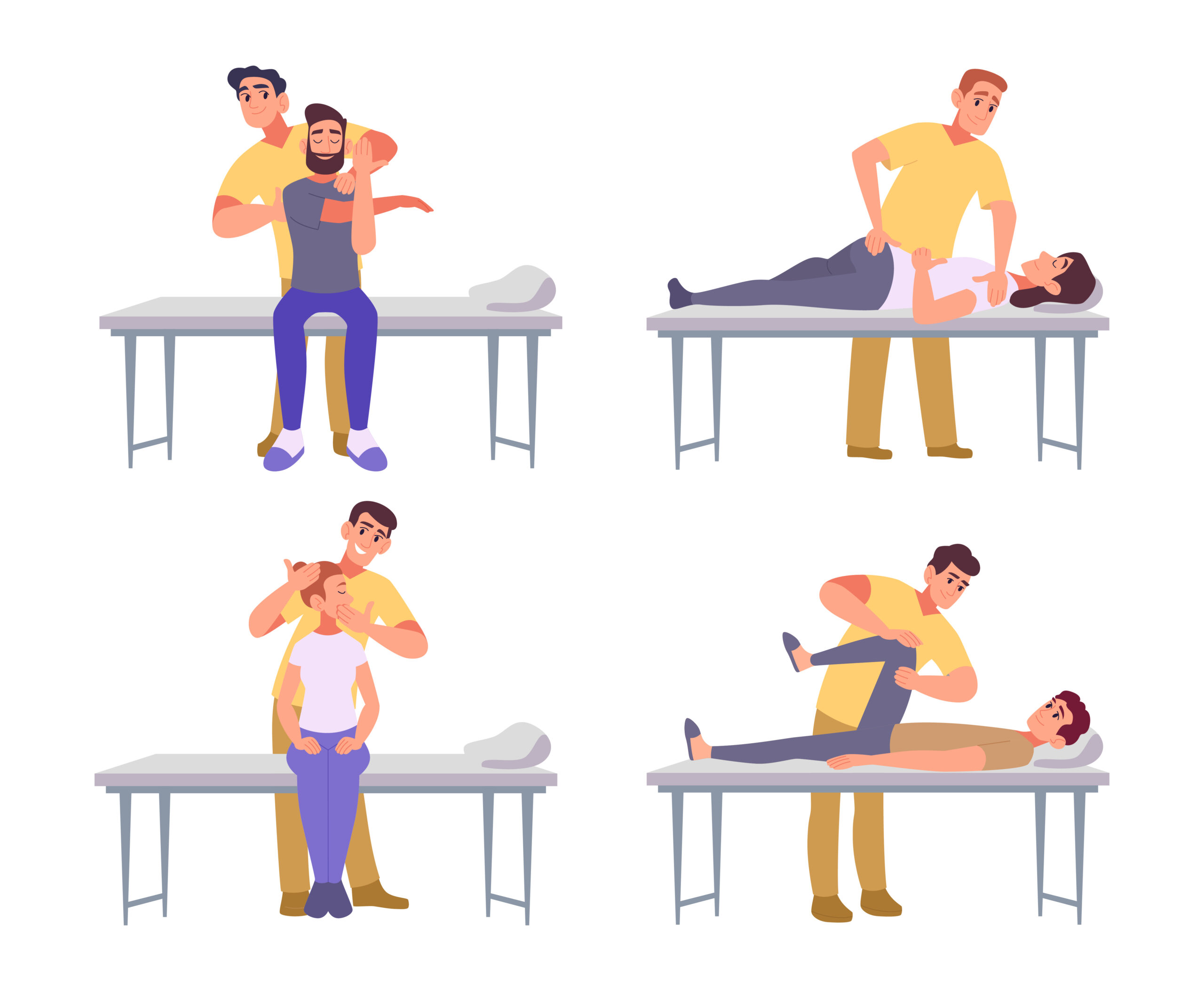
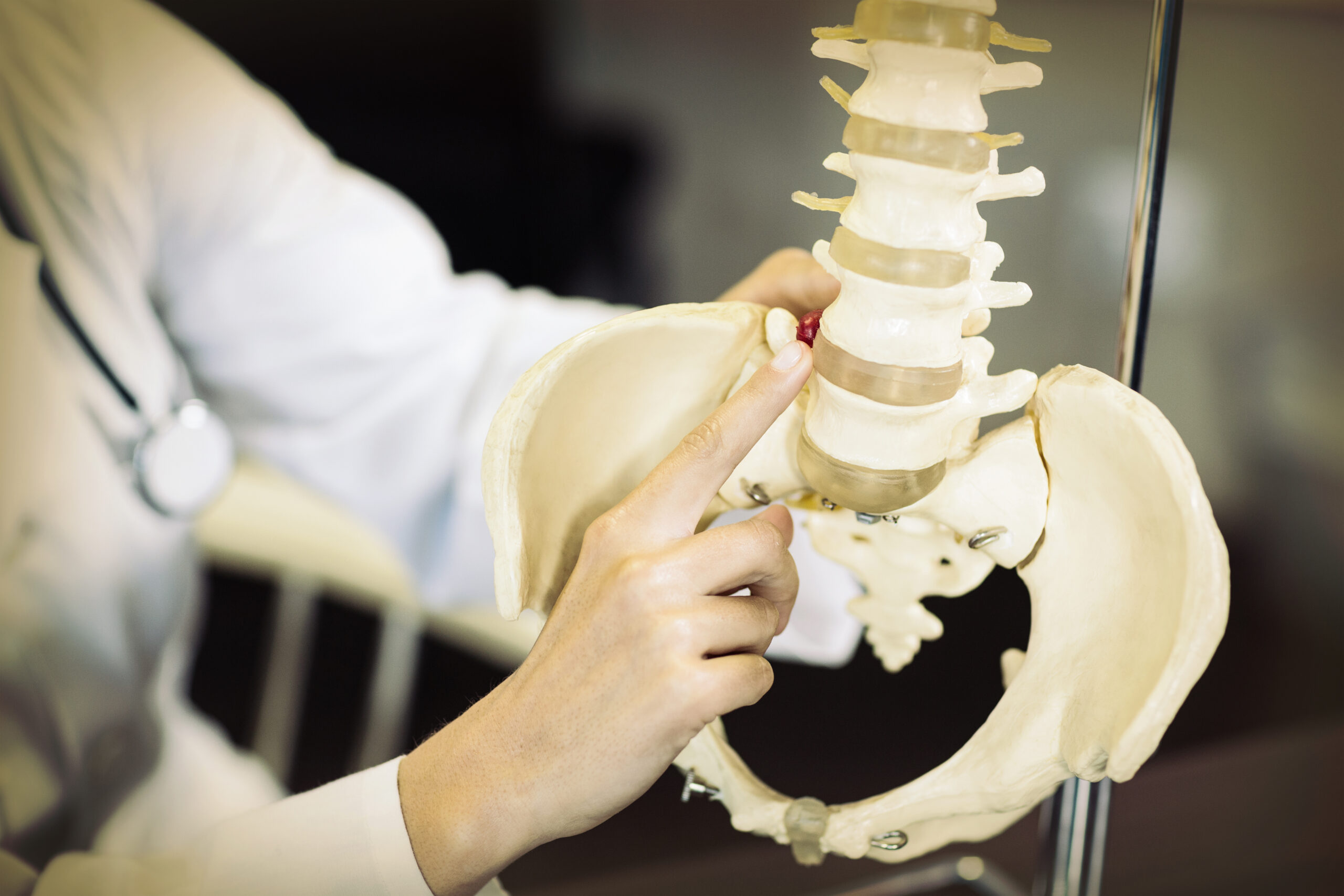
While general guidelines can help office workers make informed footwear choices, individual needs may vary. A chiropractor or podiatrist can assess foot mechanics and recommend personalized solutions, such as custom orthotics or specific shoe models. If plantar fasciitis persists despite preventive measures, professional evaluation is crucial to identify underlying issues, such as biomechanical imbalances or improper gait patterns. Chiropractors may also offer complementary treatments, like soft tissue therapy or adjustments, to support overall foot and lower-body health. For office workers, seeking expert advice ensures that footwear strategies align with their unique lifestyle and health goals, promoting long-term relief and prevention of recurring symptoms.