
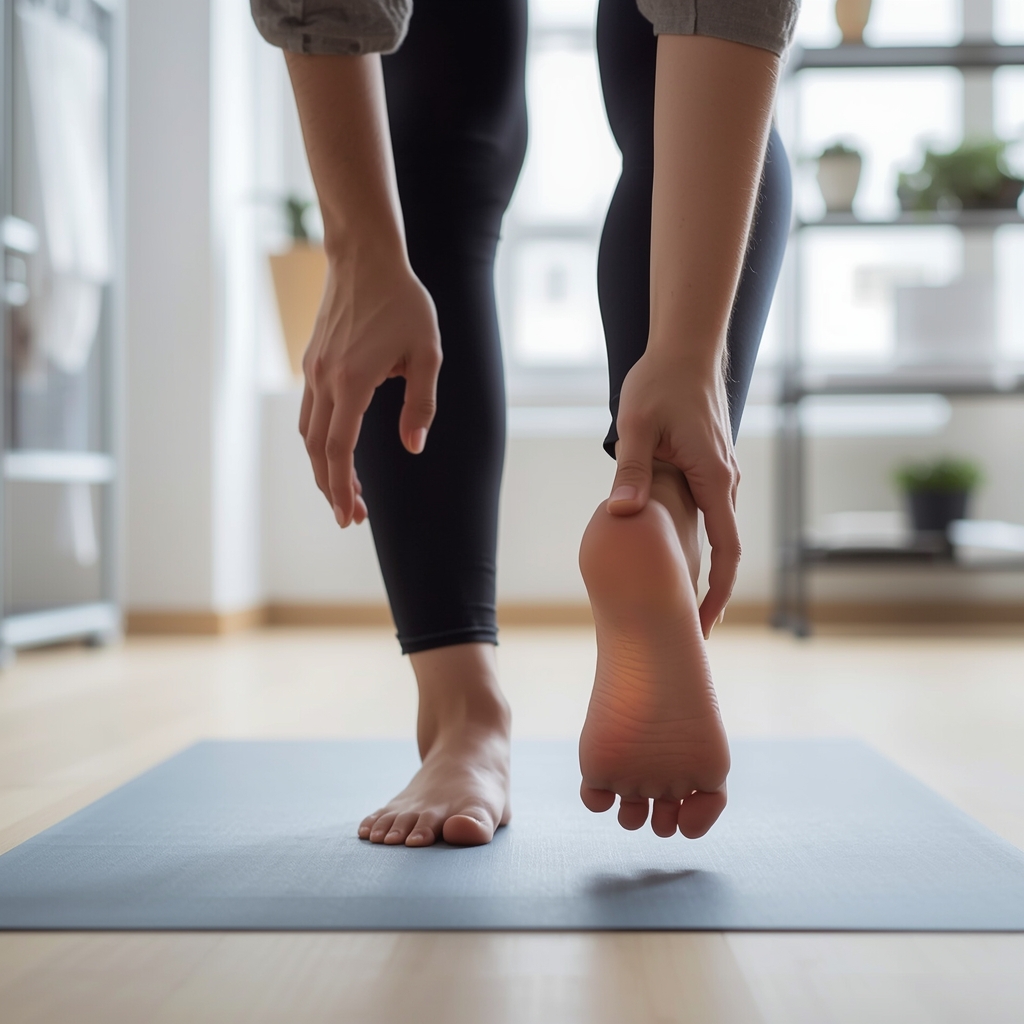
Understanding the Link Between Posture and Plantar Fasciitis
Plantar fasciitis often stems from repetitive strain on the foot’s connective tissue, but underlying postural imbalances can exacerbate the condition. Poor posture, such as excessive forward head positioning or uneven weight distribution, may alter gait patterns and place undue stress on the plantar fascia. Chiropractors address these issues by analyzing how the spine, pelvis, and lower extremities align. By identifying misalignments or muscular compensations, they create targeted strategies to reduce pressure on the feet. This holistic approach not only prevents recurrence but also promotes long-term musculoskeletal health. Regular postural assessments are key to maintaining balance and avoiding the cycle of pain and reinjury.
Soft Tissue Techniques for Preventive Care
Chiropractors frequently use soft tissue therapies to address tightness in the calves, feet, and lower legs, which can contribute to plantar fasciitis. Techniques like Active Release Technique (ART) and myofascial release help break up adhesions and improve flexibility, reducing strain on the plantar fascia. These methods also enhance blood flow and nerve function, supporting faster recovery and injury prevention. By maintaining supple soft tissues, patients can avoid the stiffness that often leads to overcompensation during movement. Regular sessions with a chiropractor ensure these techniques are applied consistently, addressing potential issues before they escalate into chronic pain.
Corrective Exercises for Postural Stability
Strengthening and stretching exercises are essential for correcting postural imbalances that may contribute to plantar fasciitis. Chiropractors often recommend targeted routines to improve core stability, hip mobility, and foot alignment. For example, single-leg balances and toe curls can enhance proprioception and reduce overpronation. These exercises work in conjunction with spinal adjustments to restore proper biomechanics. By reinforcing muscle memory, patients can maintain better posture during daily activities, lessening the risk of plantar fascia strain. Consistency is crucial, as these practices build resilience against recurring issues.
Footwear and Ergonomic Adjustments
Proper footwear plays a critical role in preventing plantar fasciitis recurrence. Chiropractors may advise patients to choose shoes with adequate arch support and cushioning, avoiding flat or worn-out soles. Custom orthotics, if recommended, can further correct biomechanical inefficiencies. Beyond footwear, ergonomic adjustments in daily routines—such as using a standing desk or adjusting chair height—help maintain proper posture. Chiropractors also emphasize the importance of gradual activity progression to avoid overuse. These practical steps, combined with professional guidance, create a supportive environment for lasting recovery and prevention.
Spinal Adjustments to Alleviate Referred Strain
Spinal misalignments, particularly in the lower back or pelvis, can contribute to uneven weight distribution and altered gait. Chiropractic adjustments restore proper spinal alignment, reducing stress on the feet and lower limbs. By correcting subluxations, these adjustments promote optimal nerve function and muscle coordination. Patients often experience improved balance and reduced compensation patterns that may have previously strained the plantar fascia. Regular spinal checkups ensure that these corrections are maintained, preventing the gradual onset of postural issues. This approach underscores the interconnected nature of the musculoskeletal system.
Maintaining Long-Term Postural Health
Preventing plantar fasciitis recurrence requires ongoing commitment to postural health. Chiropractors may suggest periodic evaluations to monitor alignment and address emerging imbalances. Patients are encouraged to integrate mindful movement practices, such as yoga or tai chi, to enhance flexibility and body awareness. Education on proper lifting techniques and sitting posture further supports long-term resilience. By combining professional care with self-management strategies, individuals can sustain improvements and avoid future flare-ups. This proactive mindset empowers patients to take charge of their musculoskeletal well-being.













