
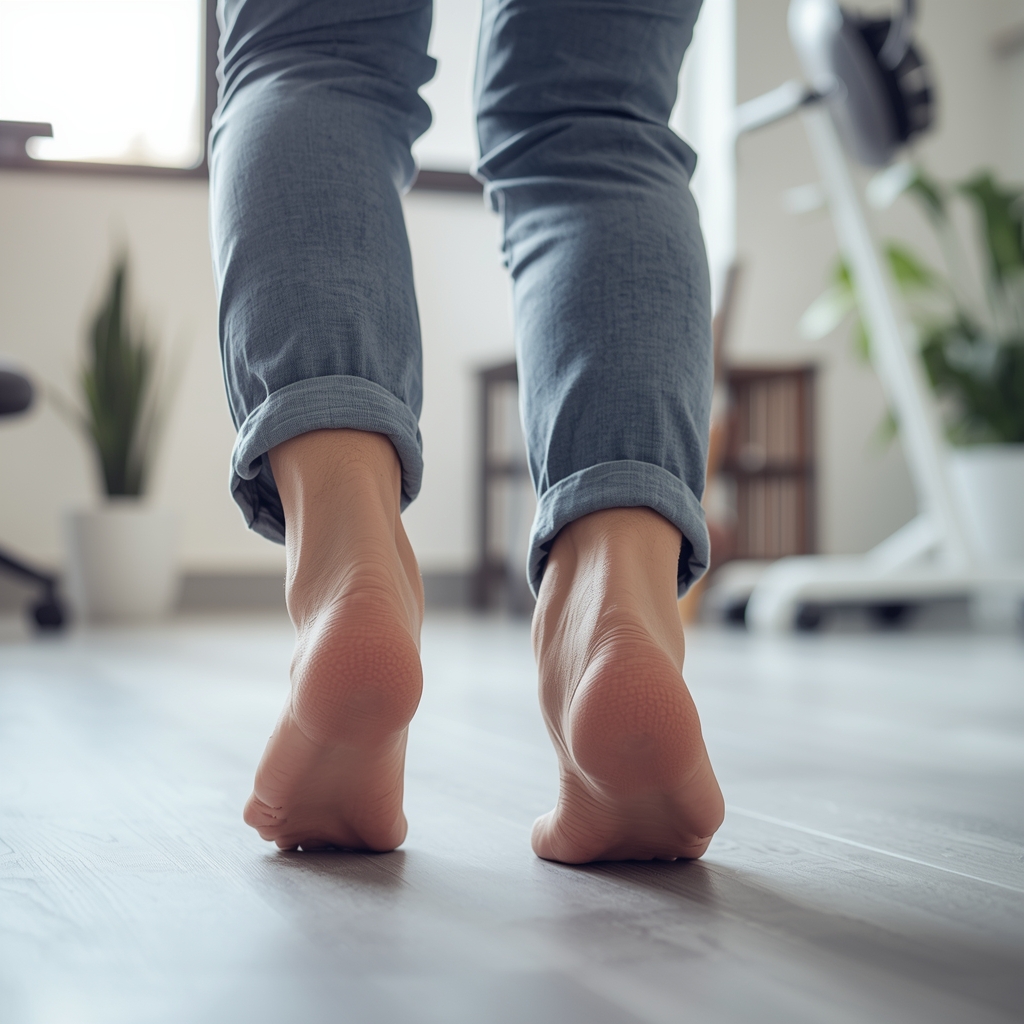
Understanding Biomechanical Factors in Flat Feet and Plantar Fasciitis
Flat feet, or fallen arches, can significantly impact foot mechanics, often leading to excessive inward rolling of the ankle (overpronation). This misalignment places abnormal stress on the plantar fascia, the thick band of tissue connecting the heel to the toes, contributing to inflammation and pain. Chiropractors recognize that addressing these biomechanical imbalances is critical for long-term relief. By evaluating gait patterns, foot structure, and lower limb alignment, chiropractors identify how flat feet may exacerbate plantar fasciitis. This foundational assessment guides treatment plans aimed at restoring proper function and reducing strain on the affected tissues.
Chiropractic Adjustments Targeting Foot and Ankle Alignment
Chiropractic adjustments focus on realigning the bones of the feet and ankles to improve biomechanics. For patients with flat feet, gentle manipulations of the subtalar and midtarsal joints can help reestablish a more neutral foot position, reducing overpronation. These adjustments may also alleviate pressure on the plantar fascia by improving weight distribution across the foot. While not a standalone solution, such techniques can complement other therapies by addressing structural imbalances. Chiropractors often combine adjustments with soft tissue work to ensure optimal outcomes. Patients typically experience gradual improvements in comfort and mobility as alignment is corrected, though results vary based on individual conditions and adherence to care plans.
Soft Tissue Techniques for Plantar Fasciitis Relief
Soft tissue therapies play a key role in managing plantar fasciitis by targeting the tension and inflammation in the affected area. Techniques like Active Release Technique (ART) and Graston Therapy involve manual pressure to break down scar tissue and adhesions in the plantar fascia, promoting healing. Chiropractors may also use myofascial release to ease tightness in surrounding muscles, such as the calf and foot arches. These methods help restore flexibility and reduce pain, making them valuable adjuncts to structural adjustments. Patients often report reduced discomfort and improved range of motion after consistent sessions. However, soft tissue work should be part of a broader care plan, as it addresses symptoms rather than underlying biomechanical issues.
Corrective Exercises to Strengthen Foot and Ankle Muscles
Strengthening the muscles that support the arch and stabilize the ankle is essential for long-term relief from plantar fasciitis. Chiropractors often prescribe corrective exercises like toe curls, heel raises, and resistance band workouts to build strength and improve proprioception. These exercises help retrain the foot’s natural mechanics, reducing strain on the plantar fascia. For patients with flat feet, targeted routines can enhance arch support and prevent overpronation during movement. Consistency is key, as gradual muscle development leads to better alignment and reduced pain. Chiropractors may also recommend stretching exercises to maintain flexibility in the calves and plantar fascia. Combining these practices with professional care can significantly improve functional outcomes.
Adjunct Therapies to Enhance Chiropractic Care
Chiropractors often integrate complementary therapies to amplify the benefits of manual treatments for plantar fasciitis. Modalities such as ice therapy, ultrasound, and electrical stimulation can reduce inflammation and promote tissue repair. Custom orthotics, prescribed by a chiropractor or podiatrist, provide additional arch support, helping to maintain proper foot alignment. Patients may also benefit from massage therapy to ease muscle tension in the lower legs. These adjuncts work synergistically with adjustments and exercises to address both acute symptoms and underlying causes. While effective, they should be used under professional guidance to ensure safety and appropriateness for individual conditions.
Collaborative Care for Comprehensive Treatment
Addressing plantar fasciitis in patients with flat feet often requires a multidisciplinary approach. Chiropractors may collaborate with physical therapists, podiatrists, and orthopedic specialists to create a holistic care plan. This teamwork ensures that all aspects of the condition—biomechanical, muscular, and structural—are addressed effectively. For example, a physical therapist might design a rehabilitation program, while a podiatrist could recommend custom orthotics. Chiropractors play a central role in coordinating these efforts, monitoring progress, and adjusting treatments as needed. Patients benefit from this integrated strategy, which maximizes the chances of long-term relief. Open communication between providers is essential to avoid conflicting approaches and ensure cohesive, patient-centered care.












