
Understanding the Role of Custom Foot Orthotics in Plantar Fasciitis Care
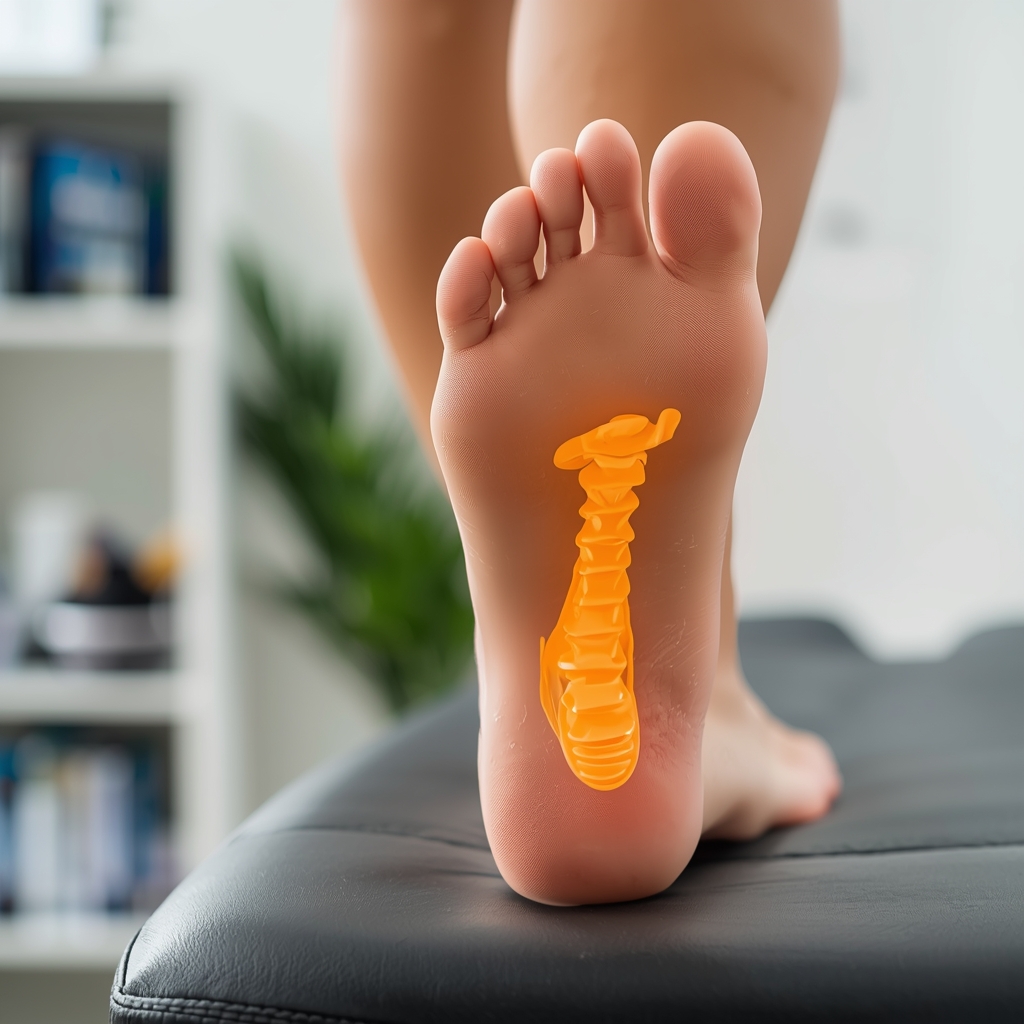
Custom foot orthotics are designed to address specific biomechanical imbalances that contribute to plantar fasciitis. These personalized devices support the arch, redistribute pressure, and align the feet properly. When combined with chiropractic adjustments, they create a holistic approach to healing. Chiropractors often recommend orthotics to stabilize the feet, reducing strain on the plantar fascia. This synergy helps alleviate pain and promote long-term recovery. By addressing both structural and functional issues, orthotics complement adjustments that realign the spine and joints. Patients frequently report improved comfort and mobility when these treatments are used together. The goal is to restore natural movement patterns and prevent recurring symptoms. This integrated strategy highlights the importance of treating the whole body, not just isolated areas of discomfort.
Biomechanical Factors Linked to Plantar Fasciitis
Plantar fasciitis often stems from biomechanical irregularities such as flat feet, high arches, or improper gait mechanics. These issues can lead to excessive stretching of the plantar fascia, causing inflammation and pain. Custom orthotics are tailored to correct these imbalances by providing targeted support. For instance, they can reduce overpronation, which occurs when the foot rolls inward too much during walking. Chiropractors assess these factors to determine the best orthotic design. Proper alignment of the feet is crucial, as misalignment can affect the knees, hips, and lower back. By addressing these interconnected systems, orthotics help relieve pressure on the affected tissue. This approach underscores the body’s interdependence, where foot health directly impacts overall posture and movement. Understanding these biomechanical links is essential for effective treatment planning.
How Chiropractic Adjustments Enhance Orthotic Effectiveness
Chiropractic adjustments play a vital role in treating plantar fasciitis by restoring proper spinal and joint alignment. When the body is misaligned, it can create compensatory patterns that worsen foot pain. Adjustments help correct these imbalances, improving overall function. Custom orthotics work in tandem with these adjustments by stabilizing the feet and supporting the corrected alignment. For example, a chiropractor might adjust the pelvis or lower back to relieve pressure on the sciatic nerve, which can indirectly affect foot mechanics. This combined approach ensures that both structural and functional issues are addressed. Patients often experience faster relief when orthotics and adjustments are used together. The adjustments also promote better circulation and nerve function, enhancing the healing process. This collaborative treatment model highlights the importance of a multidisciplinary strategy for chronic conditions.
Key Biomechanical Issues to Address with Orthotics
When treating plantar fasciitis, chiropractors and orthotic specialists focus on several biomechanical factors. These include arch support, foot pronation, and heel alignment. Custom orthotics are designed to provide targeted support where the feet need it most. For instance, individuals with flat feet may require arch reinforcement to prevent overstretching of the plantar fascia. Similarly, those with high arches might benefit from cushioning to absorb shock. Orthotics also help correct overpronation by stabilizing the foot’s position during movement. This reduces strain on the Achilles tendon and surrounding tissues. Additionally, they can address heel spurs or other structural abnormalities. By addressing these issues, orthotics complement chiropractic care by ensuring the feet function optimally. This tailored approach maximizes the effectiveness of both treatments.
The Chiropractor’s Role in Orthotic Integration
Chiropractors play a critical role in integrating custom orthotics into a patient’s treatment plan. They begin by conducting a thorough evaluation of the feet, gait, and overall posture. This assessment helps identify biomechanical imbalances that may contribute to plantar fasciitis. Based on their findings, chiropractors collaborate with orthotic specialists to design devices that meet the patient’s unique needs. They also monitor progress, making adjustments to the orthotics or treatment plan as necessary. Regular follow-ups ensure that the orthotics remain effective over time. Chiropractors may also recommend complementary therapies, such as stretching exercises or soft tissue work, to enhance outcomes. Their expertise in musculoskeletal health ensures that orthotics are used optimally. This collaborative approach fosters better patient outcomes and long-term relief.
Combining Orthotics and Adjustments for Long-Term Relief
For chronic plantar fasciitis, a combination of custom orthotics and chiropractic adjustments offers a comprehensive solution. Orthotics provide ongoing support, while adjustments address underlying spinal and joint misalignments. This dual approach reduces inflammation, improves mobility, and prevents future flare-ups. Patients often find that this integrated method leads to more sustainable results than either treatment alone. Chiropractors emphasize the importance of consistency, encouraging patients to wear orthotics regularly and attend follow-up appointments. They also educate patients on proper footwear and daily habits that support foot health. By addressing both structural and functional aspects, this strategy promotes overall wellness. The goal is to empower patients to take an active role in their recovery, ensuring lasting relief from plantar fasciitis.













