
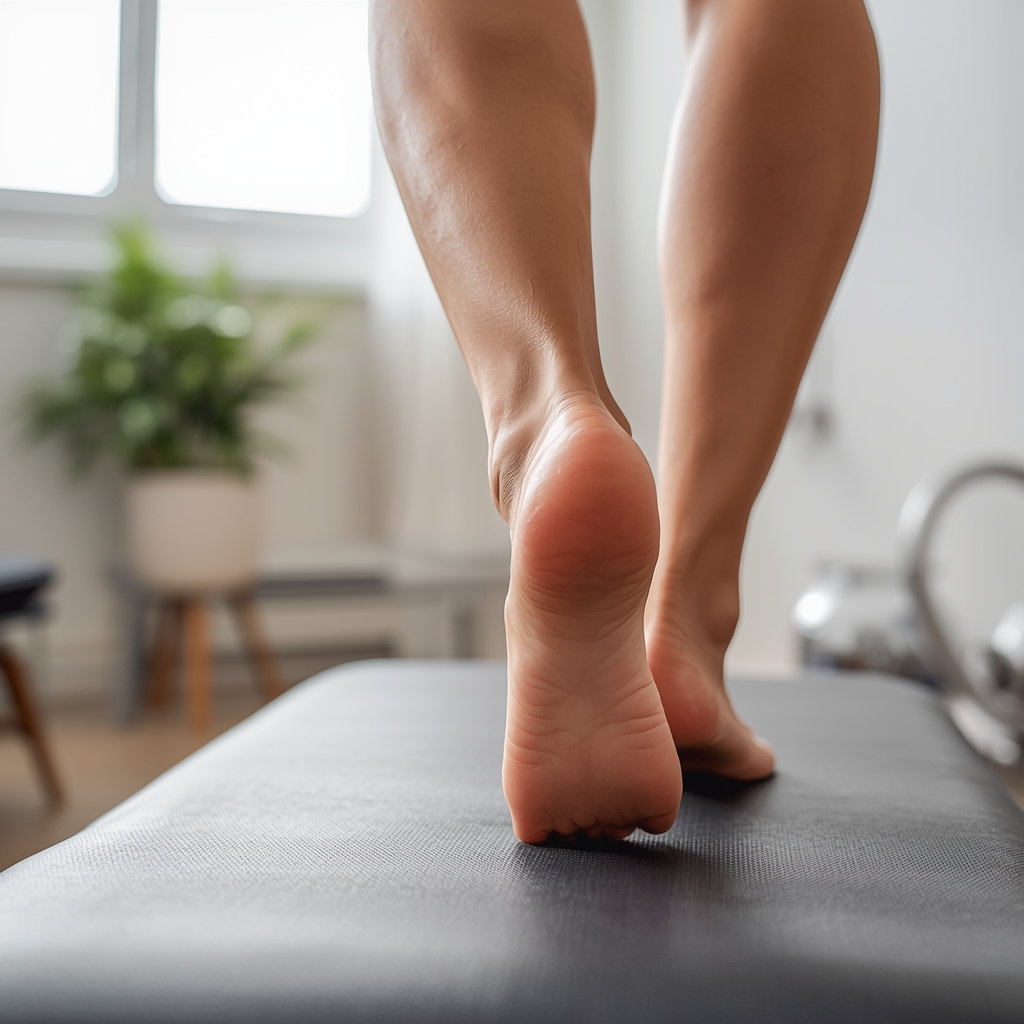
Understanding Plantar Fasciitis and Its Impact
Plantar fasciitis is a common condition causing heel pain due to inflammation of the plantar fascia, a thick band of tissue connecting the heel to the toes. This condition often develops from repetitive strain, poor foot mechanics, or inadequate footwear. Symptoms typically include sharp pain in the heel, especially during the first steps in the morning or after prolonged activity. Without proper management, it can lead to chronic discomfort and altered gait patterns. The condition affects people of all ages, particularly those with jobs requiring long periods of standing or individuals who engage in high-impact sports. Understanding its causes and effects is crucial for exploring effective treatment strategies, including the potential role of custom orthotics and chiropractic care.
What Are Custom Orthotics and How Do They Work?
Custom orthotics are personalized shoe inserts designed to correct biomechanical imbalances in the feet. Unlike over-the-counter insoles, they are tailored to an individual’s unique foot structure, arch support needs, and gait patterns. By redistributing pressure and aligning the foot properly, they can alleviate strain on the plantar fascia and reduce pain. These devices often address issues like flat feet, high arches, or uneven weight distribution, which may contribute to plantar fasciitis. While they do not directly treat the inflammation, their role lies in modifying foot mechanics to support the healing process. When combined with other therapies, custom orthotics can play a significant part in long-term symptom management and prevention of recurrence.
The Role of Chiropractic Adjustments in Plantar Fasciitis
Chiropractic adjustments focus on aligning the spine and other joints to improve nervous system function and overall musculoskeletal health. For plantar fasciitis, adjustments may target the feet, ankles, and lower back to address misalignments that contribute to the condition. By restoring proper joint mobility and reducing nerve irritation, chiropractors aim to ease pain and promote natural healing. These adjustments can also influence gait patterns and posture, which may indirectly affect foot mechanics. While not a standalone solution, chiropractic care is often part of a multidisciplinary approach to manage plantar fasciitis. Patients frequently report reduced discomfort and improved mobility after regular sessions, highlighting the potential benefits of this non-invasive treatment modality.
Synergistic Effects of Orthotics and Chiropractic Care
Combining custom orthotics with chiropractic adjustments can create a complementary approach to managing plantar fasciitis. Orthotics address foot-specific biomechanics, while chiropractic care tackles broader musculoskeletal imbalances. For example, if a misaligned pelvis or spine contributes to uneven weight distribution, adjustments may enhance the effectiveness of orthotics by promoting better overall posture. This integrated strategy can reduce compensatory movements that strain the plantar fascia. Additionally, chiropractic care may alleviate related issues like lower back pain or hip dysfunction, which often accompany chronic foot problems. By addressing both local and systemic factors, this combined approach may lead to more comprehensive relief and faster recovery for patients.
Patient Considerations and Customization
Every individual’s experience with plantar fasciitis varies, making personalized treatment essential. Custom orthotics require careful evaluation by a healthcare professional to ensure they meet specific needs, such as arch support or motion control. Similarly, chiropractic adjustments should be tailored to a patient’s condition, medical history, and goals. Open communication between the patient and providers is critical to refining the treatment plan. Factors like activity level, footwear, and lifestyle habits also influence outcomes. Patients should be aware that results may take time and consistency. Regular follow-ups allow for adjustments to both orthotics and care protocols, ensuring they remain effective as the body adapts. This collaborative approach maximizes the potential for long-term success.
Conclusion: Integrating Approaches for Optimal Outcomes
Plantar fasciitis management benefits from a holistic perspective that addresses both local and systemic factors. Custom orthotics provide targeted support for foot mechanics, while chiropractic adjustments aim to restore balance throughout the body. When used together, these methods can enhance each other’s effectiveness, offering more comprehensive relief. However, the success of this combined approach depends on individualized care and ongoing evaluation. Patients are encouraged to work closely with qualified professionals to develop a plan that suits their unique needs. By integrating these strategies, individuals may achieve lasting improvements in comfort, mobility, and overall quality of life.













