Understanding Chemotherapy-Induced Peripheral Neuropathy
Chemotherapy-induced peripheral neuropathy (CIPN) is a common side effect of cancer treatment, causing symptoms like numbness, tingling, and pain in the hands and feet. This condition arises from nerve damage triggered by chemotherapy drugs. While conventional medicine focuses on managing symptoms, chiropractic care offers non-surgical options to support nerve function and reduce discomfort. Chiropractors may use a range of techniques to address the underlying nervous system imbalances associated with CIPN, aiming to improve mobility and quality of life. It’s important to note that these approaches are complementary and should be discussed with a qualified healthcare provider to ensure they align with an individual’s treatment plan.
Spinal Adjustments and Nervous System Function
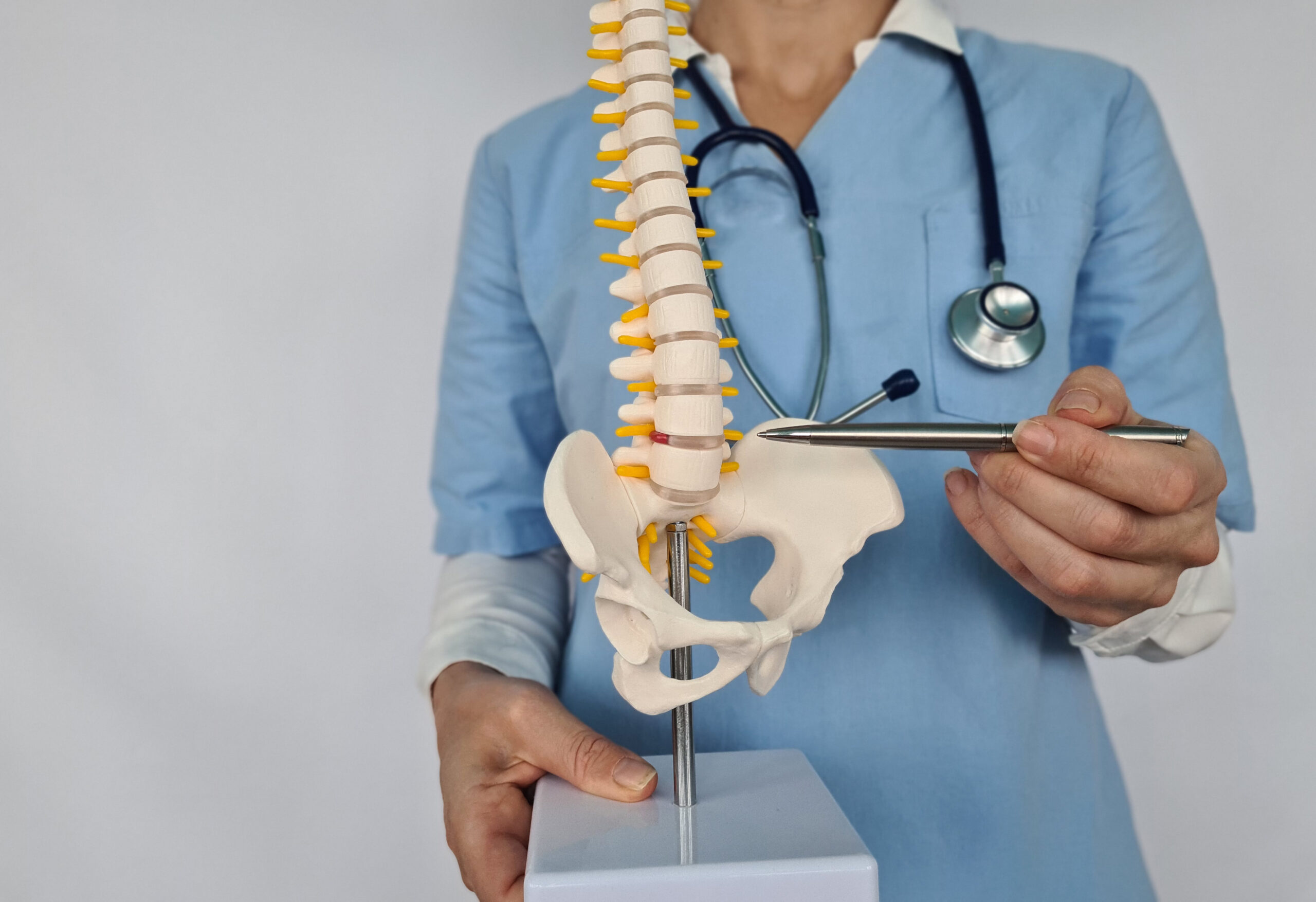
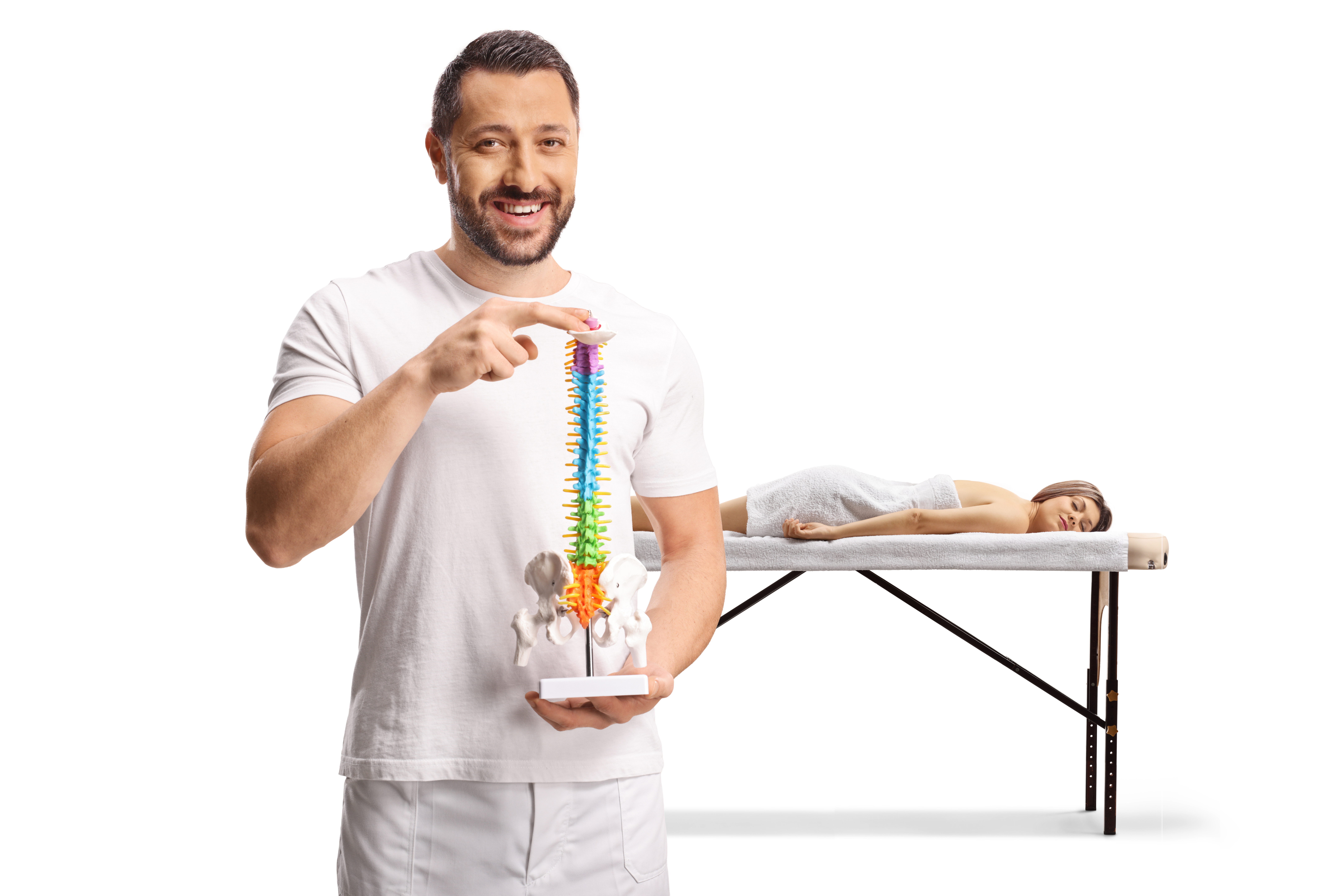
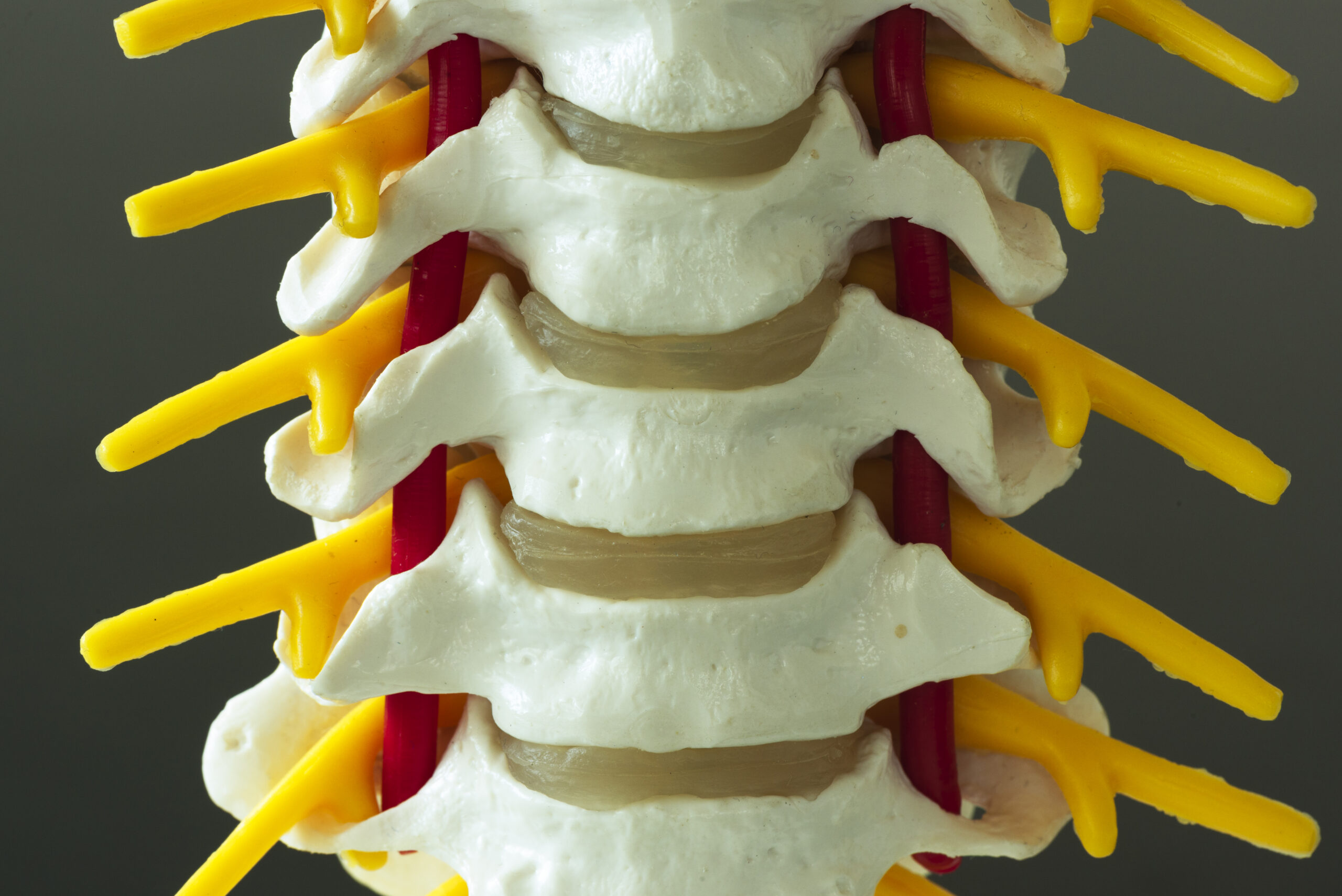
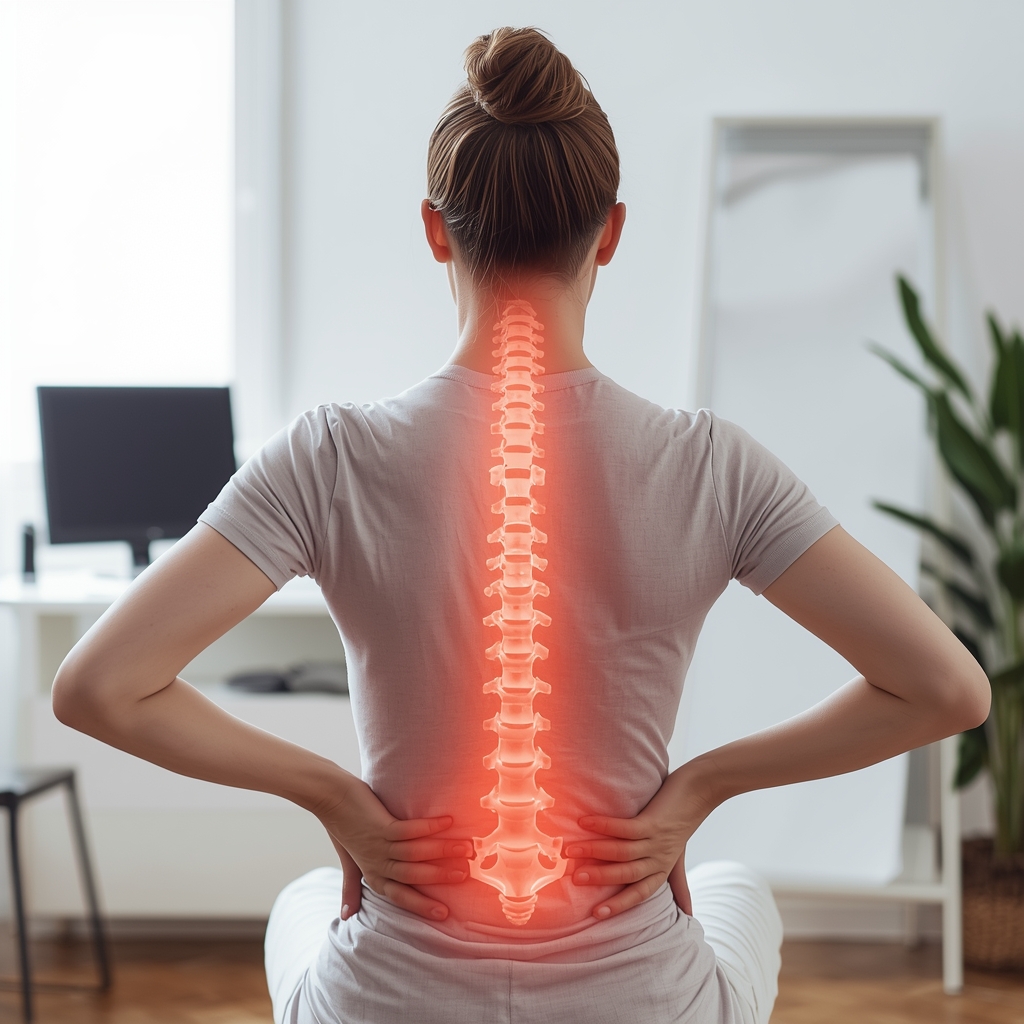
Spinal adjustments are a cornerstone of chiropractic care, focusing on restoring proper alignment to the spine. By correcting subluxations—misalignments that may interfere with nerve communication—chiropractors aim to reduce pressure on nerves and enhance overall nervous system function. For patients with CIPN, this approach may help alleviate some neuropathic symptoms by improving the body’s ability to process sensory signals. While research on spinal adjustments specifically for CIPN is limited, chiropractors often use this technique as part of a broader strategy to support nerve health. Patients should consult with their provider to determine if spinal adjustments are appropriate for their condition.
Soft Tissue Therapies for Nerve Relief
Soft tissue therapies, such as myofascial release and trigger point therapy, target tension in muscles and connective tissues that may contribute to neuropathic pain. These techniques can help reduce pressure on nerves and improve blood flow, potentially easing discomfort associated with CIPN. Chiropractors may also use tools like the Graston Technique to break down scar tissue and restore mobility in affected areas. By addressing musculoskeletal factors that exacerbate nerve pain, these therapies offer a non-invasive way to support recovery. As with all treatments, individual results may vary, and a chiropractor can help tailor the approach to a patient’s needs.
Cold Laser Therapy for Nerve Regeneration
Cold laser therapy, also known as low-level laser therapy (LLLT), uses specific wavelengths of light to stimulate cellular function and promote healing. This technique is thought to reduce inflammation and support nerve regeneration, making it a potential option for managing neuropathic pain. Chiropractors may apply cold laser therapy to areas affected by CIPN to encourage tissue repair and alleviate discomfort. While more research is needed to fully understand its efficacy for CIPN, many patients report improved symptoms with this non-invasive approach. A qualified chiropractor can assess whether cold laser therapy is suitable for a specific case.
Electrical Stimulation for Pain Management
Electrical stimulation, including transcutaneous electrical nerve stimulation (TENS), delivers mild electrical impulses to the body to interfere with pain signals. This method can help reduce neuropathic pain by modulating nerve activity and promoting the release of endorphins. Chiropractors may incorporate TENS or similar technologies into treatment plans to provide targeted relief for CIPN symptoms. The therapy is typically used in conjunction with other chiropractic techniques to enhance overall outcomes. Patients should work closely with their provider to determine the appropriate settings and duration for their specific condition.
Integrative Approaches and Collaborative Care
Chiropractic care for CIPN often involves a holistic, integrative approach that may include lifestyle recommendations, nutritional support, and referrals to other healthcare professionals. By collaborating with oncologists, physical therapists, and pain management specialists, chiropractors can create a comprehensive plan to address the multifaceted nature of neuropathic pain. Techniques such as acupuncture or dry needling may also be used to complement traditional chiropractic methods. While these strategies are not a substitute for medical treatment, they can offer additional support for patients seeking non-surgical options. Open communication with all healthcare providers is essential to ensure safe and effective care.