Understanding Herniated Discs and Treatment Choices
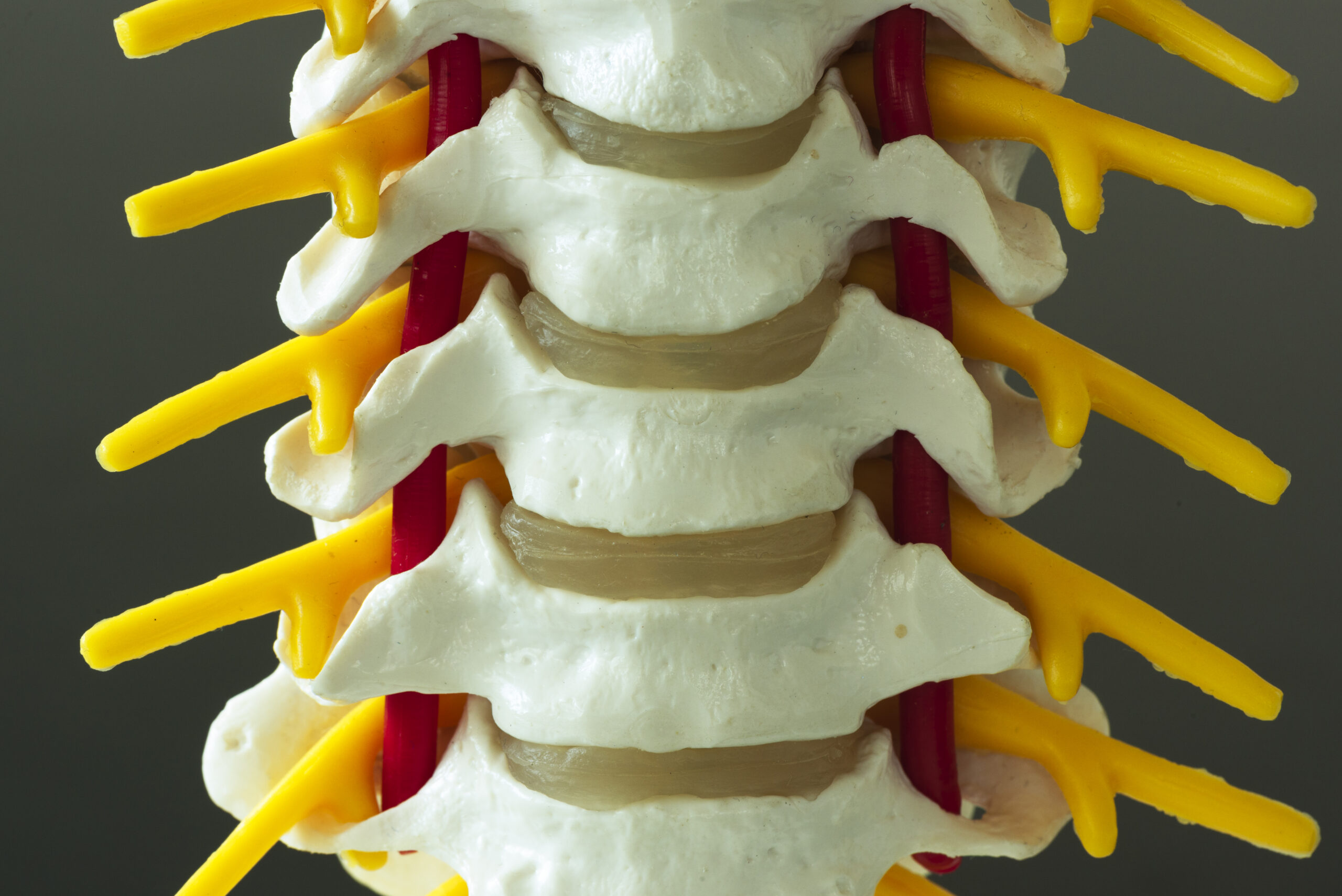
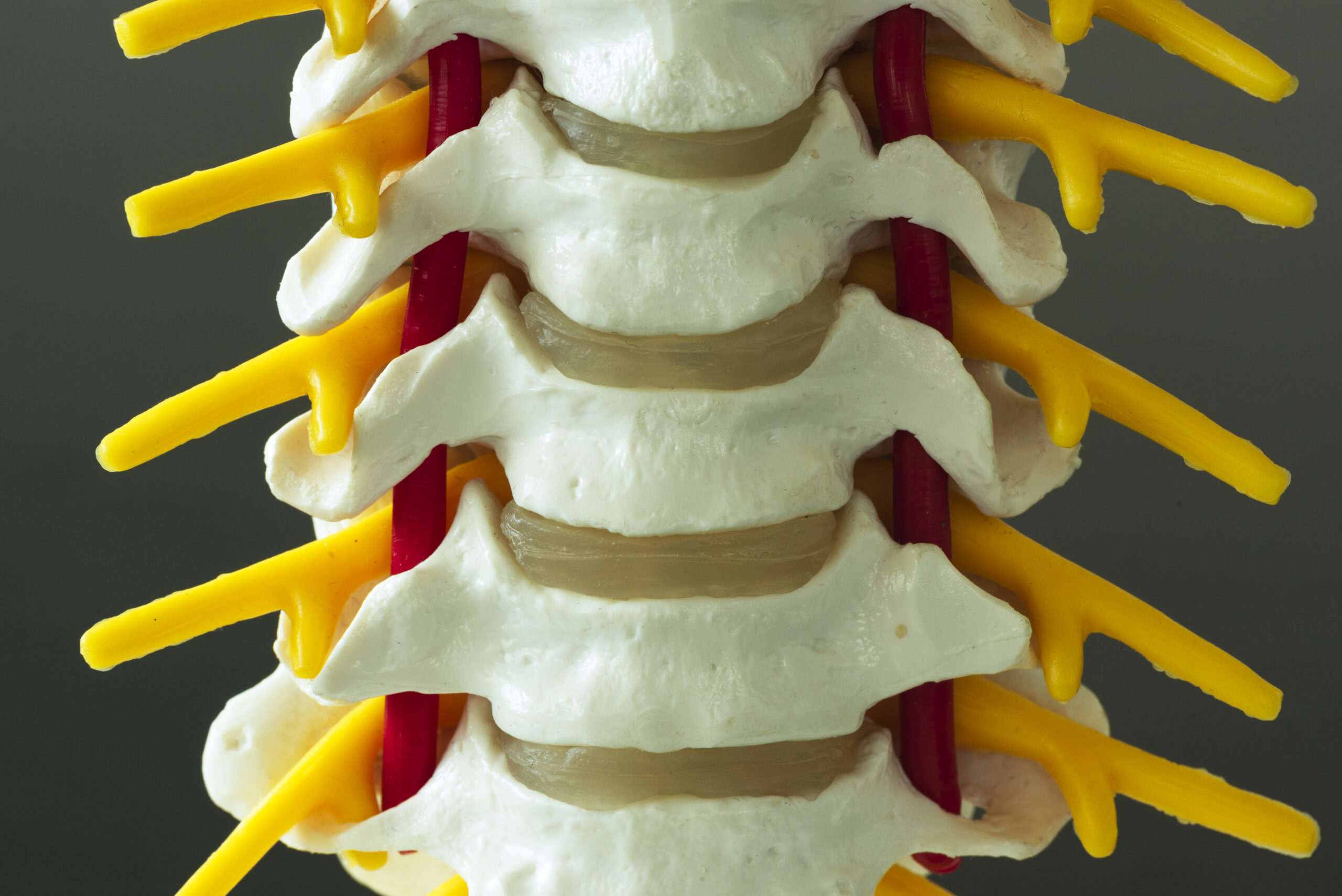
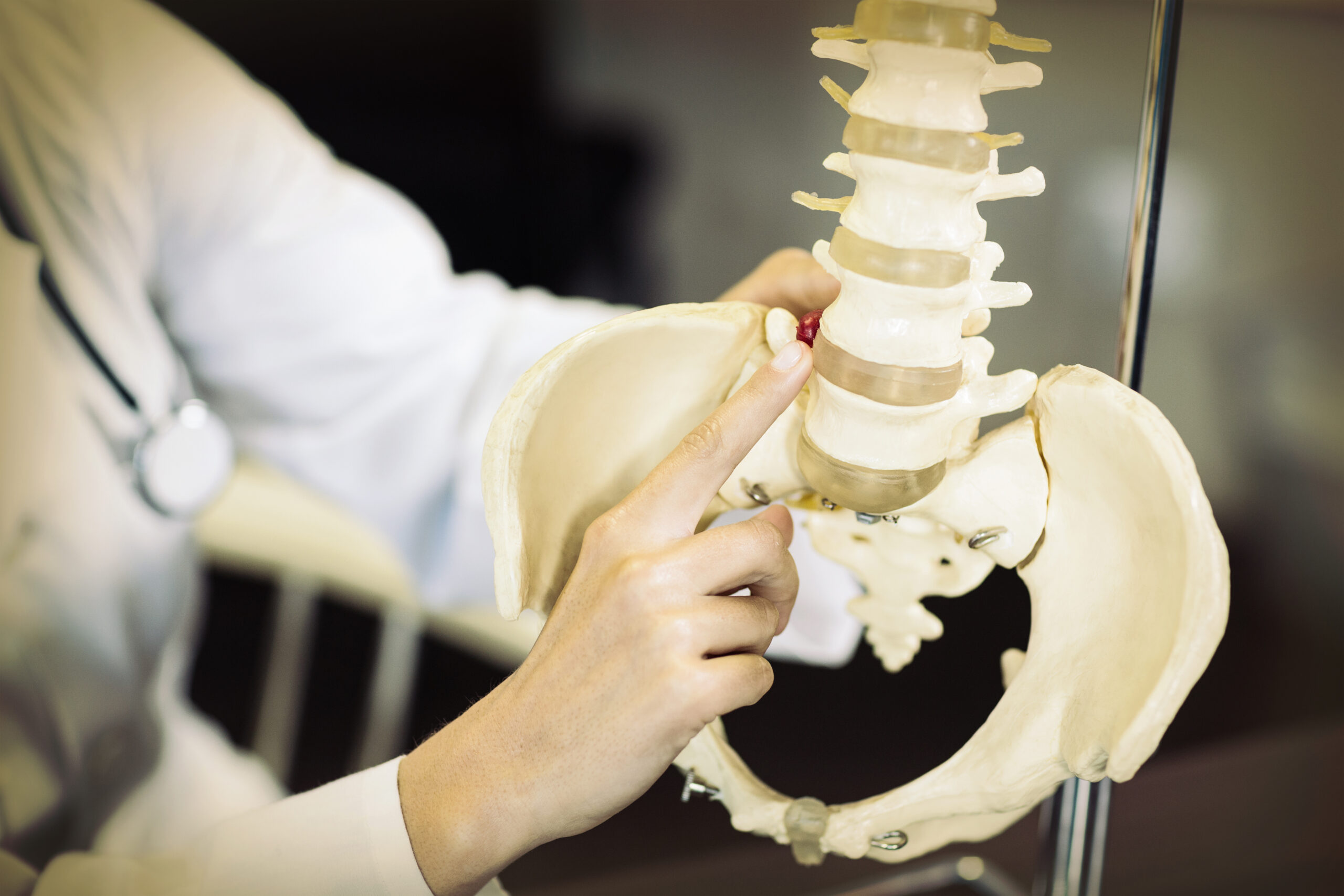
Herniated discs occur when the soft inner material of a spinal disc pushes through a crack in the outer layer, potentially irritating nearby nerves. While spinal fusion is a common surgical option, many patients benefit from exploring non-surgical alternatives first. These approaches aim to reduce pain, improve mobility, and address underlying causes without invasive procedures. By understanding the range of options, patients can make informed decisions that align with their health goals and preferences. Chiropractic care, physical therapy, and lifestyle adjustments are often effective in managing symptoms and avoiding surgery. Discussing these alternatives with a qualified healthcare provider ensures a personalized plan that prioritizes safety and long-term well-being.
Chiropractic Adjustments and Spinal Manipulation
Chiropractic adjustments involve precise, controlled forces applied to the spine to restore proper alignment and function. For herniated discs, this can alleviate pressure on nerves and reduce inflammation. Many patients report improved mobility and pain relief through regular chiropractic care. Techniques like spinal manipulation and mobilization are non-invasive and focus on the body’s natural healing processes. While not a cure, these adjustments can complement other therapies and help patients avoid surgery. It’s important to seek a licensed chiropractor with experience in disc-related conditions to ensure safe and effective treatment. Patients should communicate their symptoms and concerns to tailor the approach to their needs.
Physical Therapy and Exercise Programs
Physical therapy focuses on strengthening the muscles supporting the spine, improving flexibility, and correcting posture. Customized exercise programs, such as core strengthening and low-impact aerobics, can reduce disc pressure and enhance recovery. Therapists may also use modalities like heat, ice, or electrical stimulation to manage pain. For herniated discs, targeted exercises can prevent further injury and promote long-term spinal health. Patients often see gradual improvements in function and reduced reliance on pain medications. Combining physical therapy with other non-surgical methods increases the likelihood of success. Always follow a therapist’s guidance to avoid exacerbating the condition and ensure safe progress.
Pain Management and Injections
Non-surgical pain management options include medications, nerve blocks, and epidural steroid injections. These treatments can reduce inflammation and provide temporary relief, allowing patients to engage in rehabilitation. Over-the-counter anti-inflammatories or prescription medications may be recommended, while injections deliver targeted relief to affected areas. While these methods don’t address the root cause, they can make daily activities more manageable. Patients should discuss potential side effects and risks with their provider to determine the best approach. Integrating pain management with other therapies often yields the most balanced outcomes. It’s crucial to monitor symptoms and adjust strategies as needed for optimal results.
Lifestyle Modifications and Ergonomic Adjustments
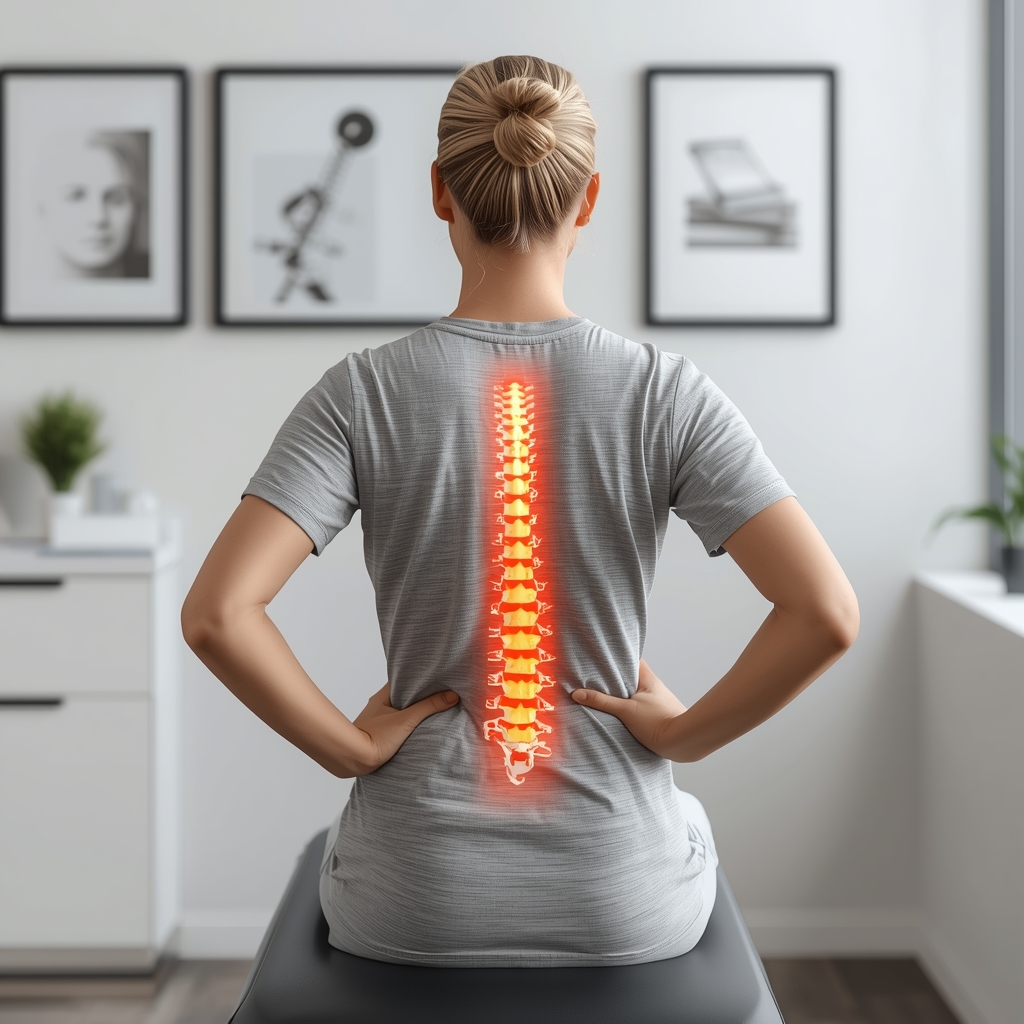
Adopting healthier habits can significantly impact herniated disc recovery. Maintaining a healthy weight reduces spinal strain, while quitting smoking improves blood flow and healing. Ergonomic adjustments, such as proper sitting posture and supportive mattresses, minimize pressure on the discs. Regular, gentle movement—like walking or swimming—promotes circulation and flexibility. Patients should also avoid heavy lifting and repetitive motions that worsen symptoms. These changes, when combined with other treatments, create a holistic approach to recovery. Small, consistent adjustments can lead to lasting improvements in comfort and function, reducing the need for surgical intervention.
When to Consider Spinal Fusion and Next Steps
If non-surgical options fail to provide relief, spinal fusion may be considered as a last resort. This procedure stabilizes the spine by joining two or more vertebrae, but it carries risks and a lengthy recovery. Patients should thoroughly discuss the benefits, limitations, and alternatives with their healthcare team before deciding. Exploring all available options ensures informed choices that align with individual health needs. A multidisciplinary approach—combining chiropractic care, physical therapy, and lifestyle changes—often offers the best outcomes. Ultimately, working closely with qualified providers empowers patients to navigate their treatment journey with confidence and clarity.