
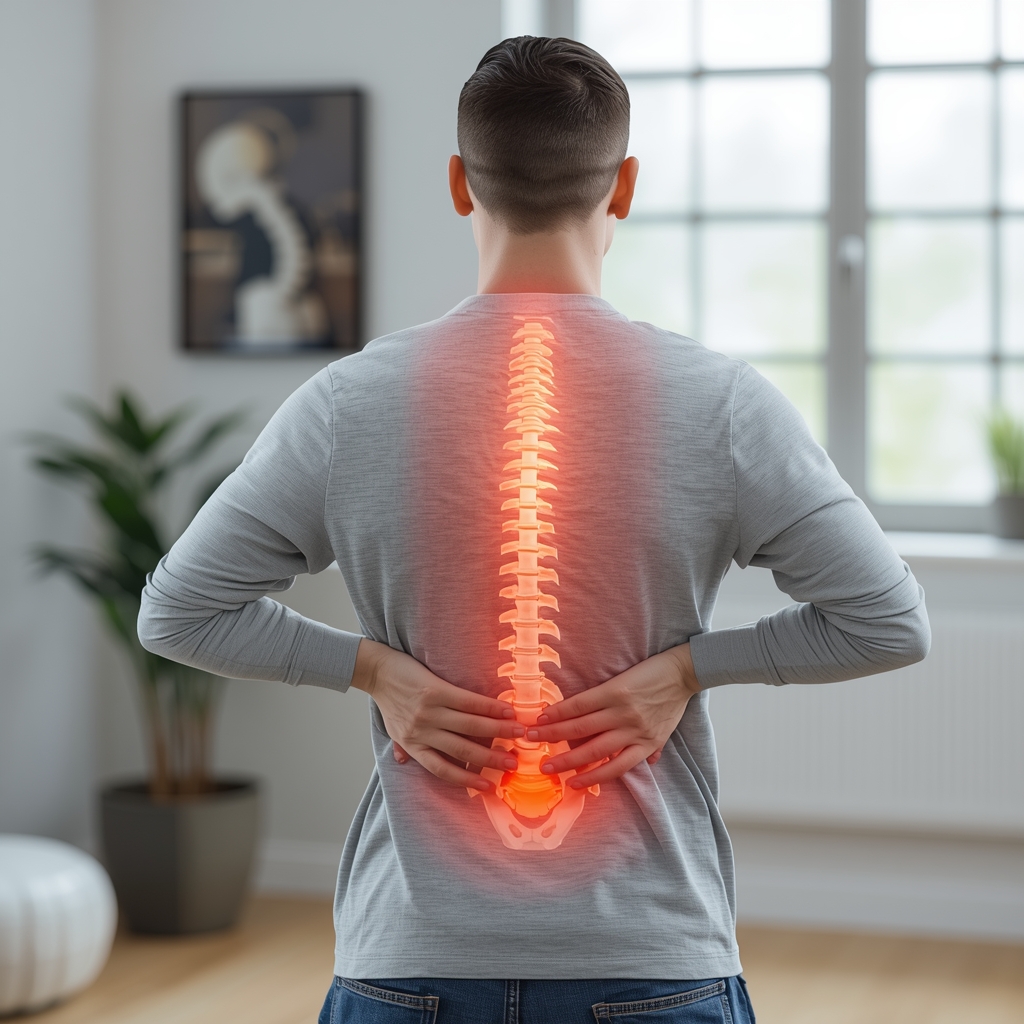
Understanding Degenerative Disc Disease
Degenerative disc disease (DDD) refers to the gradual breakdown of intervertebral discs, which act as cushions between the vertebrae in the spine. While often associated with aging, it can also result from repetitive strain, injury, or genetic factors. Symptoms may include chronic pain, reduced mobility, and nerve-related discomfort. Unlike surgical interventions, non-surgical approaches focus on managing symptoms, preserving disc function, and improving quality of life. These methods emphasize collaboration between patients and healthcare providers to address both structural and lifestyle factors. By prioritizing conservative care, individuals can often avoid the risks and recovery times associated with surgery. Understanding DDD’s impact on daily activities underscores the importance of proactive, personalized strategies to maintain spinal health.
Chiropractic Adjustments and Spinal Manipulation
Chiropractic care is a cornerstone of non-surgical DDD management, focusing on restoring proper spinal alignment and function. Spinal adjustments, performed by licensed chiropractors, aim to reduce pressure on affected discs and nerves, potentially alleviating pain and improving mobility. These techniques can also enhance joint flexibility and promote natural healing processes. While not a cure, regular adjustments may help slow disc degeneration by maintaining optimal spinal mechanics. Patients often report reduced inflammation and improved posture following consistent care. It’s important to note that chiropractic treatment is tailored to individual needs, with practitioners using gentle, targeted methods to minimize discomfort. For those seeking alternatives to medication or surgery, adjustments offer a drug-free option to address DDD-related challenges.
Lifestyle Changes for Spinal Health
Lifestyle modifications play a critical role in managing degenerative disc disease. Regular, low-impact exercise—such as swimming, walking, or yoga—can strengthen core muscles, support spinal stability, and improve flexibility. Maintaining a healthy weight reduces stress on the discs, while proper posture during daily activities minimizes strain. Ergonomic adjustments to workspaces and sleeping positions further contribute to spinal well-being. Hydration and a nutrient-rich diet, particularly with anti-inflammatory foods, may also support disc health. Avoiding smoking is crucial, as it impairs blood flow and accelerates disc degeneration. By integrating these habits, individuals can enhance the effectiveness of chiropractic care and reduce the progression of DDD. These changes empower patients to take an active role in their recovery and long-term spinal health.
Complementary Therapies and Modalities
Non-surgical DDD management often incorporates complementary therapies to enhance traditional chiropractic care. Techniques like acupuncture, massage therapy, and heat/cold applications can ease muscle tension, reduce inflammation, and improve circulation around affected discs. Physical therapy exercises, including stretching and strengthening routines, are frequently recommended to support spinal function. Some patients benefit from hydrotherapy or traction devices, which may relieve pressure on compressed discs. These modalities are typically used alongside chiropractic adjustments to address pain from multiple angles. While results vary, many find that combining therapies offers more comprehensive relief than any single approach. It’s essential to consult a qualified provider to ensure these methods align with individual health needs and goals.
The Role of Physical Therapy in DDD Management
Physical therapy is a vital component of non-surgical DDD care, focusing on restoring strength, flexibility, and functional movement. A physical therapist designs personalized exercise programs to target weakened muscles, improve posture, and enhance spinal stability. These may include low-impact aerobic activities, core strengthening, and flexibility training. Manual therapy techniques, such as mobilization or soft tissue work, can also alleviate pain and stiffness. Patients often learn proper body mechanics to avoid exacerbating their condition. By addressing the root causes of discomfort, physical therapy helps reduce reliance on pain medications and supports long-term mobility. When combined with chiropractic care, these strategies create a holistic approach to managing DDD, empowering individuals to maintain independence and quality of life.
A Holistic Approach to Long-Term Management
Managing degenerative disc disease effectively requires a multifaceted strategy that integrates chiropractic care, lifestyle adjustments, and complementary therapies. This holistic approach prioritizes long-term spinal health over temporary symptom relief. By addressing biomechanical imbalances, promoting physical activity, and fostering mindful habits, patients can slow disease progression and enhance their well-being. Regular check-ins with a chiropractor ensure adjustments remain aligned with evolving needs, while ongoing education empowers individuals to make informed choices. It’s crucial to remember that each person’s experience with DDD is unique, necessitating personalized care plans. While non-surgical methods cannot reverse disc degeneration, they offer viable alternatives to surgery, enabling many to lead active, pain-free lives. Collaboration between patients and healthcare providers remains key to achieving optimal outcomes.













