
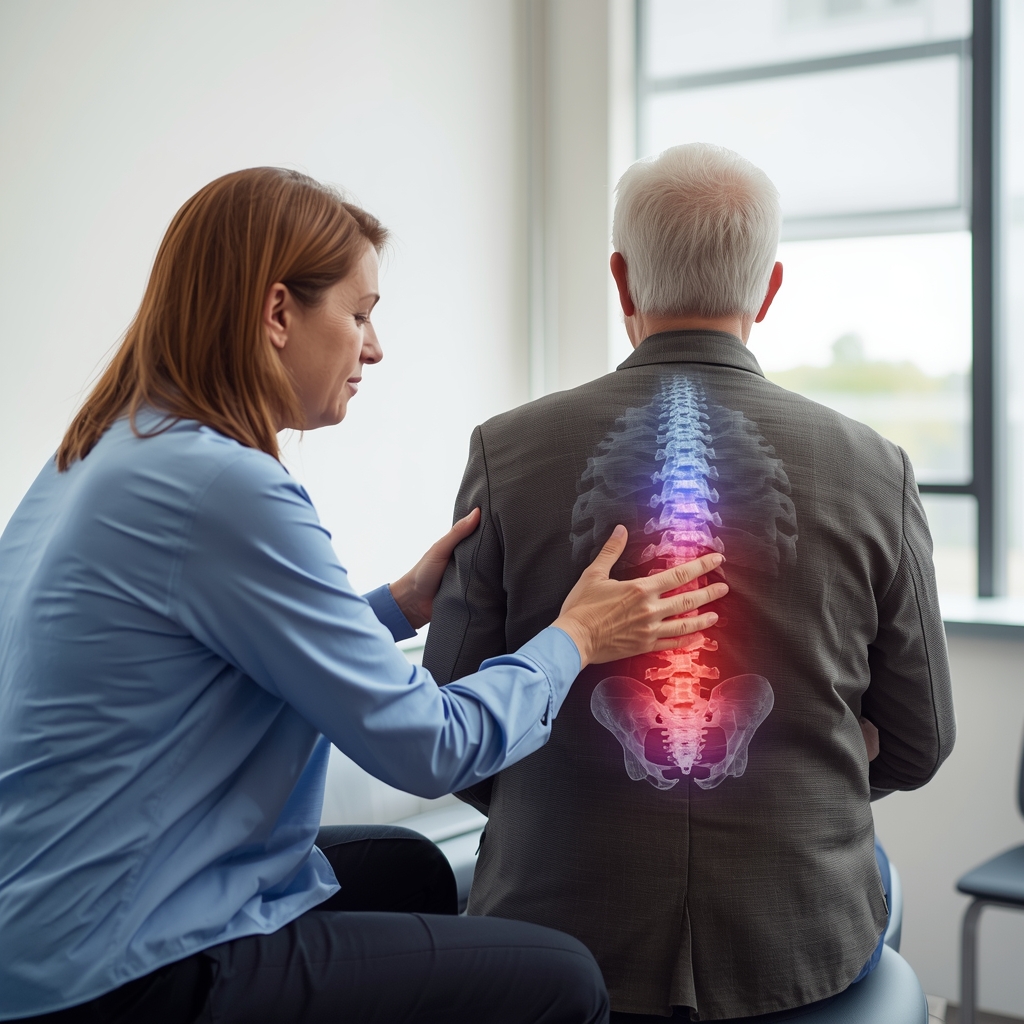
Understanding Degenerative Disc Disease in Elderly Patients
Degenerative disc disease (DDD) is a common condition among older adults, characterized by the gradual breakdown of spinal discs that act as cushions between vertebrae. This wear and tear can lead to chronic pain, reduced mobility, and nerve compression. While surgery is an option for severe cases, many elderly patients benefit from non-surgical chiropractic approaches tailored to their unique needs. These methods focus on alleviating symptoms, improving function, and enhancing quality of life without invasive procedures. Chiropractic care emphasizes personalized, holistic strategies that consider the patient’s overall health, mobility limitations, and medical history. By addressing spinal alignment, muscle tension, and nerve interference, chiropractors aim to support the body’s natural healing processes. For seniors, the goal is often to manage pain effectively while maintaining independence and reducing reliance on medications or surgical interventions.
Spinal Manipulation and Adjustments
Spinal manipulation, a cornerstone of chiropractic care, involves manual adjustments to improve spinal alignment and reduce pressure on nerves. For elderly patients with DDD, these adjustments are typically gentler and tailored to their bone density and mobility. By restoring proper joint function, chiropractors can alleviate pain caused by misaligned vertebrae and improve overall spinal stability. Research suggests that spinal adjustments may help reduce inflammation and enhance blood flow to affected areas, promoting natural healing. However, the approach must be carefully adapted for older adults to avoid excessive force. Many chiropractors use techniques like diversified or flexion-distraction adjustments, which are safer for seniors. It’s crucial for patients to work with a licensed provider experienced in geriatric care to ensure safety and effectiveness. Regular adjustments can also help maintain spinal health and prevent further deterioration over time.
Decompression Therapy for Disc Relief
Spinal decompression therapy is a non-surgical technique that uses gentle traction to relieve pressure on spinal discs. This method is particularly beneficial for elderly patients with DDD, as it can reduce nerve compression and alleviate pain associated with disc herniation or bulging. By creating negative pressure within the discs, decompression therapy may encourage the retraction of protruding material and promote the flow of nutrients and fluids to the affected area. Many chiropractors combine this therapy with other modalities, such as heat or electrical stimulation, to enhance its effects. The treatment is generally well-tolerated by seniors, with minimal risk of side effects when performed by a qualified professional. While results vary, some patients report significant pain reduction and improved mobility after a series of sessions. As with any chiropractic intervention, a thorough evaluation is essential to determine if decompression therapy is suitable for an individual’s specific condition.
Soft Tissue Therapy and Myofascial Release
Soft tissue therapy, including massage and myofascial release, addresses muscle tension and connective tissue restrictions that often accompany degenerative disc disease. Elderly patients may experience increased muscle stiffness due to reduced activity or compensatory postures, which can exacerbate spinal discomfort. Chiropractors use targeted techniques to relax tight muscles, improve circulation, and reduce inflammation around the spine. This approach can also help alleviate referred pain and enhance overall flexibility. For seniors, gentle myofascial release is particularly effective in addressing trigger points and adhesions that contribute to chronic pain. Some practitioners incorporate tools like foam rollers or specialized instruments to ensure comfort and safety. By integrating soft tissue therapy with spinal adjustments, chiropractors aim to create a balanced, pain-free state for their patients. Regular sessions can also prevent muscle imbalances that may worsen DDD symptoms over time.
Exercise and Rehabilitation Programs
Customized exercise programs are a vital component of non-surgical DDD management for elderly patients. Chiropractors often collaborate with physical therapists to design low-impact routines that strengthen core muscles, improve posture, and enhance spinal stability. Exercises such as stretching, tai chi, and aquatic therapy are particularly beneficial, as they minimize joint stress while promoting mobility. Strengthening the muscles surrounding the spine can reduce the load on degenerated discs and prevent further deterioration. Additionally, balance training helps lower the risk of falls, a critical concern for seniors. Chiropractors may also recommend ergonomic adjustments to daily activities, such as proper lifting techniques or workstation setups. By combining targeted exercises with chiropractic care, patients can achieve long-term pain relief and greater functional independence. It’s essential to follow a provider’s guidance to ensure exercises are safe and appropriate for individual needs.
Lifestyle Modifications and Supportive Care
Lifestyle changes play a significant role in managing degenerative disc disease alongside chiropractic care. Elderly patients are encouraged to maintain regular, low-impact movement to preserve joint health and prevent stiffness. Activities like walking or yoga can complement chiropractic treatments by promoting circulation and flexibility. Ergonomic adjustments, such as using supportive chairs or adjusting sleep positions, also help reduce spinal strain. Nutrition is another key factor, as a balanced diet rich in anti-inflammatory foods may ease discomfort and support tissue repair. Chiropractors often advise patients to avoid prolonged sitting or heavy lifting, which can exacerbate symptoms. Additionally, stress management techniques like mindfulness or meditation may indirectly benefit spinal health by reducing muscle tension. By integrating these lifestyle strategies with professional care, seniors can take an active role in managing their condition and improving overall well-being.














