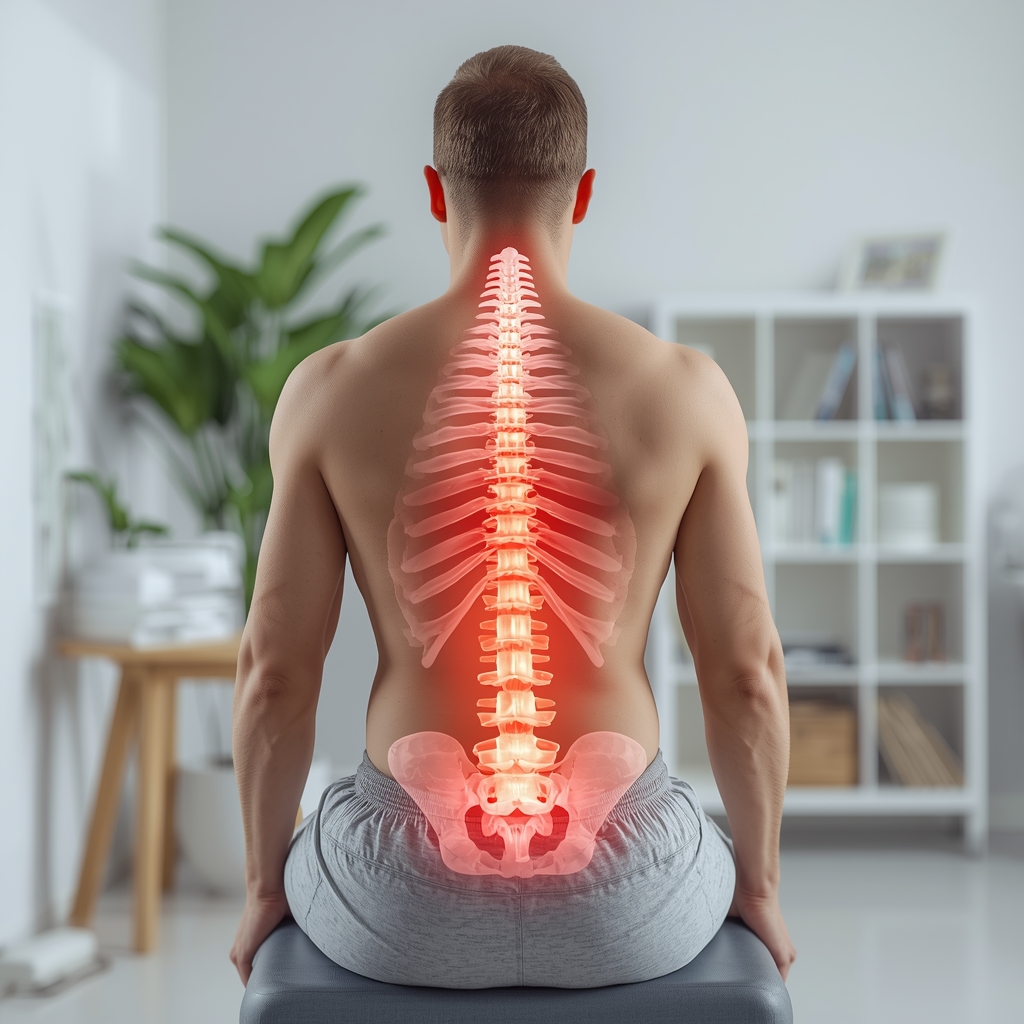
Understanding Spondylolisthesis and Its Impact on Hip Pain
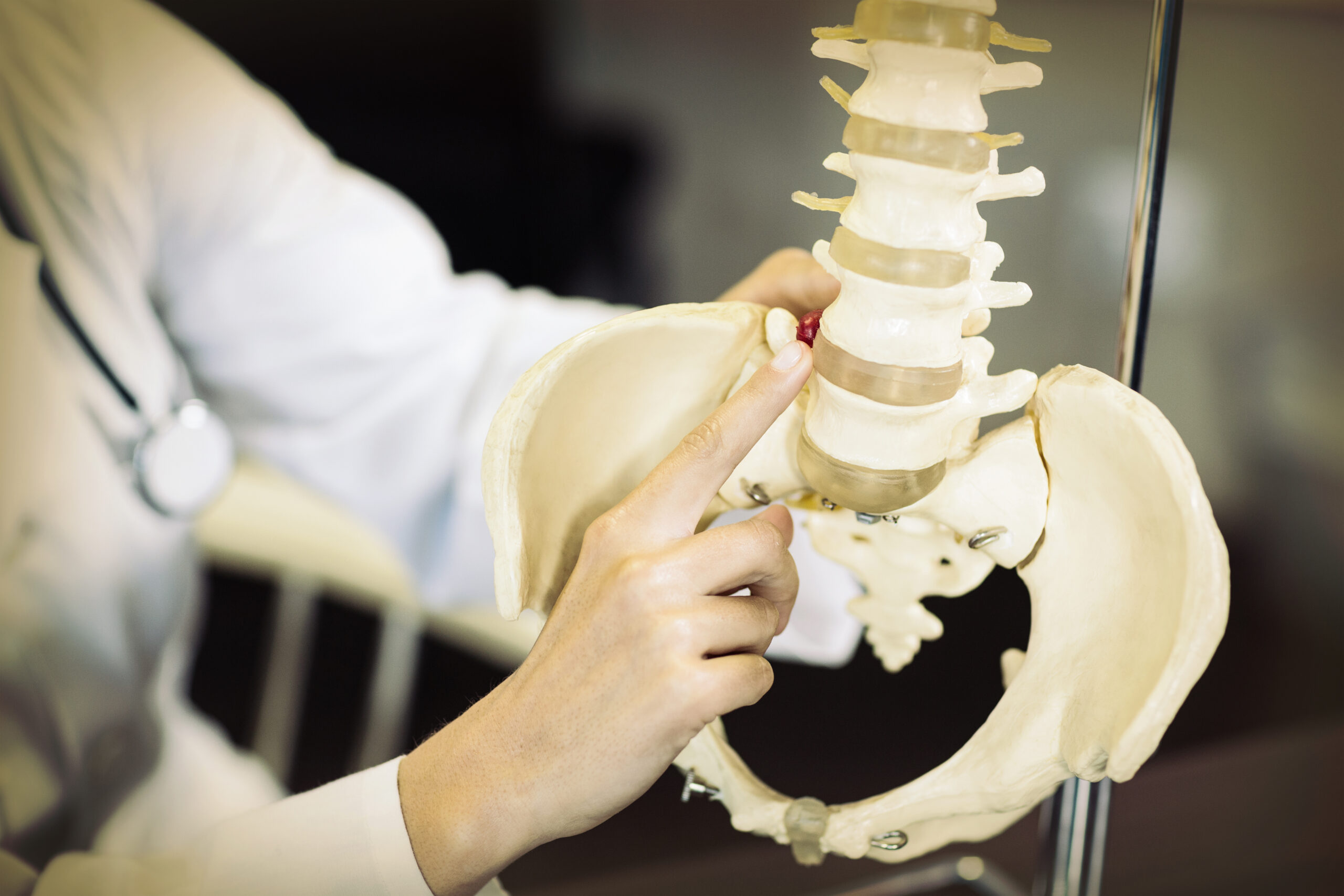
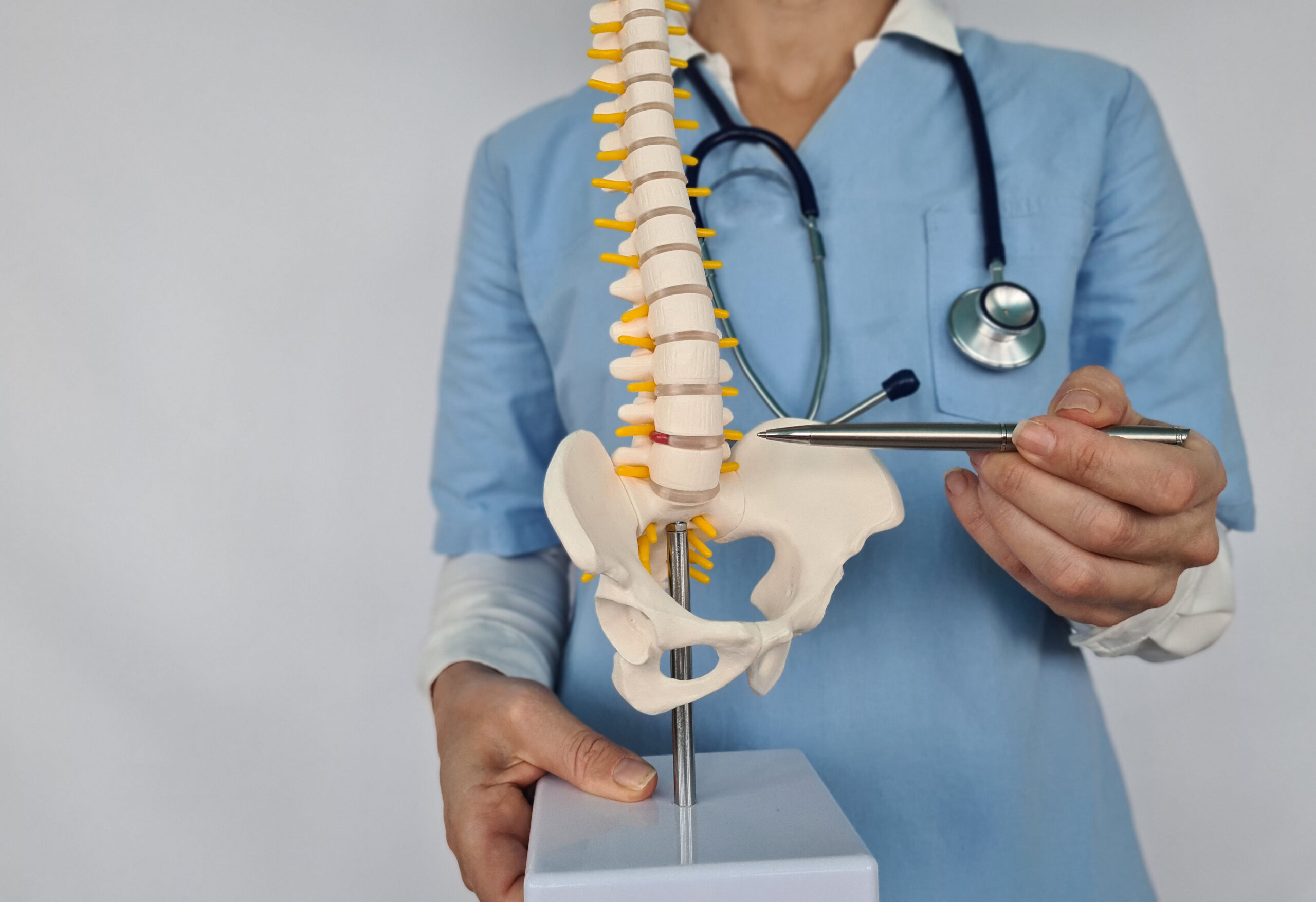
Spondylolisthesis occurs when a vertebra slips out of its normal position onto the bone below it, often causing lower back pain that can radiate to the hips. This misalignment may compress nerves or alter biomechanics, leading to discomfort in the hip region. While the condition primarily affects the spine, its effects can extend to surrounding joints and muscles, including the hips. Patients often report stiffness, limited mobility, or aching sensations in the hips, which may be linked to compensatory movements or nerve irritation. Understanding this connection is crucial for developing targeted treatment strategies. A chiropractor can assess the specific cause of hip pain in relation to spondylolisthesis and recommend appropriate interventions. However, it’s important to note that individual experiences vary, and a personalized evaluation is essential before pursuing any treatment.
Spinal Adjustments and Realignment Techniques
Spinal adjustments, a core component of chiropractic care, aim to restore proper alignment to the vertebrae. For patients with spondylolisthesis, gentle realignment may reduce pressure on nerves and improve spinal stability, potentially alleviating hip pain caused by misalignment. Techniques such as diversified adjustments or activator methods are commonly used, focusing on precise, controlled movements to correct the slipped vertebra. By addressing the root cause of nerve compression or biomechanical strain, these adjustments may help ease referred pain to the hips. However, the approach must be tailored to the patient’s condition to avoid exacerbating the issue. A qualified chiropractor will evaluate the severity of spondylolisthesis before recommending adjustments, ensuring safety and effectiveness. This method is often part of a broader treatment plan that includes other therapeutic strategies.
Decompression Therapy for Nerve Relief
Spinal decompression therapy involves gently stretching the spine to relieve pressure on compressed nerves, which can be a contributing factor to hip pain in spondylolisthesis. This non-surgical technique may help reduce inflammation and improve nerve function, potentially easing discomfort that radiates to the hips. By creating space between vertebrae, decompression can alleviate irritation caused by the slipped bone, offering relief for patients experiencing radiating symptoms. While this therapy is often used for herniated discs, its application in spondylolisthesis requires careful consideration due to the nature of the condition. A chiropractor can determine if decompression is suitable based on the patient’s specific case. It is typically combined with other treatments to maximize outcomes, emphasizing the importance of a personalized care plan.
Soft Tissue Techniques for Muscle and Joint Relief
Soft tissue therapies, such as myofascial release or trigger point therapy, can address muscle tension and joint dysfunction that may contribute to hip pain in spondylolisthesis. When a vertebra slips, surrounding muscles may compensate by tightening, leading to discomfort in the hips and lower back. These techniques target knots or tight areas in muscles and connective tissues, promoting relaxation and improved mobility. By reducing muscular strain, soft tissue work can indirectly support spinal alignment and decrease referred pain. Chiropractors often integrate these methods with adjustments to enhance overall effectiveness. However, the intensity and approach must be carefully managed to avoid aggravating the condition. Patients should discuss their symptoms with a professional to ensure these techniques are appropriate for their specific needs.
Posture Correction and Ergonomic Adjustments
Improper posture can worsen spondylolisthesis-related hip pain by placing additional stress on the spine and surrounding structures. Correcting posture through targeted exercises and ergonomic adjustments may help alleviate discomfort and prevent further complications. A chiropractor can identify postural imbalances and recommend strategies to improve alignment, such as strengthening core muscles or modifying daily activities. Simple changes, like adjusting seating positions or using supportive footwear, can also reduce strain on the hips and lower back. By addressing the root causes of poor posture, patients may experience long-term relief from hip pain. However, these adjustments are most effective when combined with other chiropractic treatments, highlighting the need for a comprehensive approach tailored to individual needs.
When to Seek Professional Guidance
While chiropractic techniques may offer relief for hip pain associated with spondylolisthesis, it’s crucial to consult a qualified professional before starting any treatment. Each case is unique, and certain approaches may not be suitable for all patients. A chiropractor can perform a thorough evaluation to determine the underlying causes of hip pain and develop a personalized care plan. They may also collaborate with other healthcare providers to ensure a holistic approach. Patients should communicate any changes in symptoms or concerns about treatment options. By working with a trusted provider, individuals can explore safe and effective strategies to manage their condition. Remember, self-diagnosis or unguided interventions may pose risks, so professional guidance is essential for optimal outcomes.