Understanding Core Stability and Its Role in Hip Health
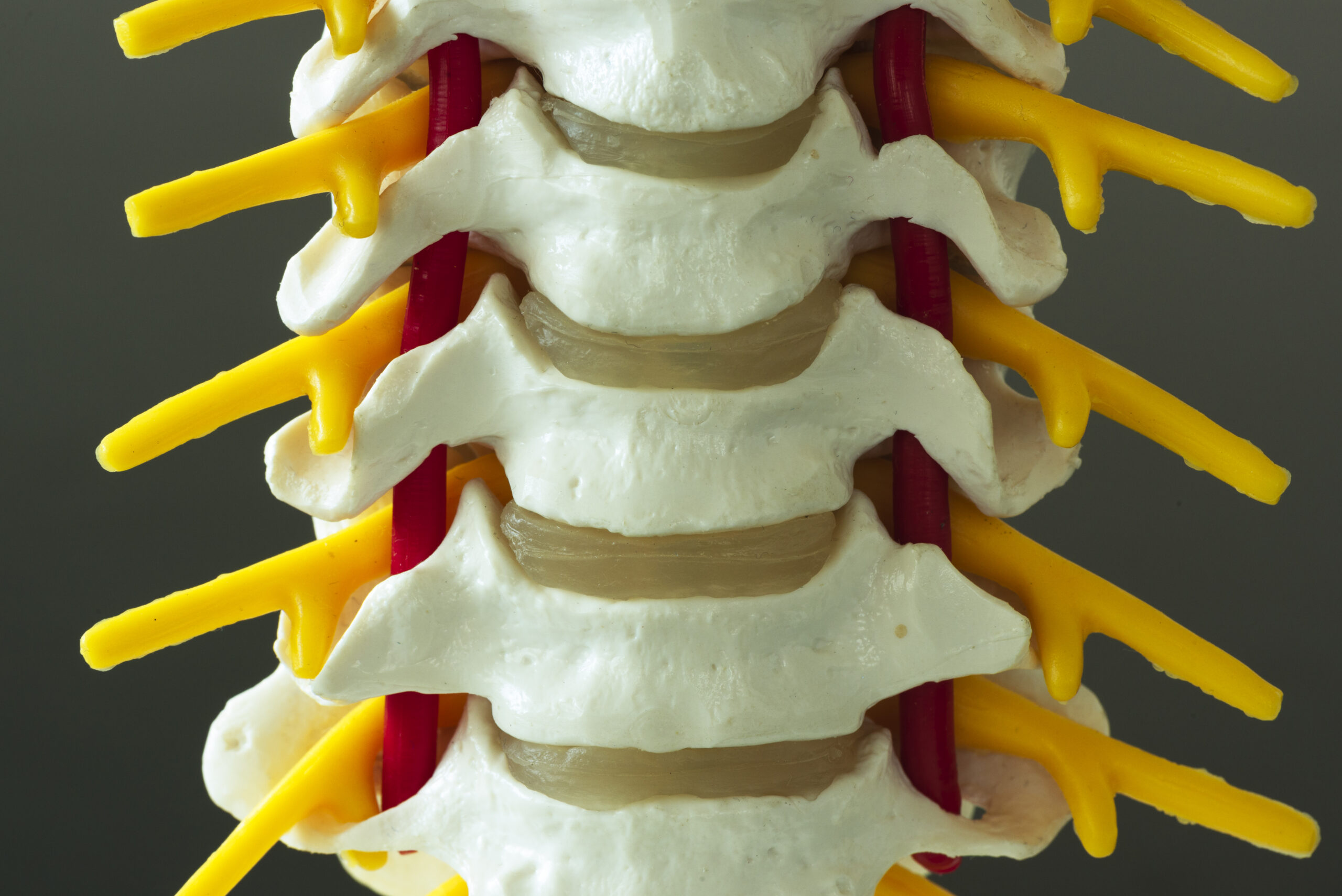
Core stability refers to the ability of the muscles in your abdomen, lower back, and pelvis to support and stabilize the spine and surrounding joints. A strong core helps maintain proper posture and alignment, which is essential for distributing forces evenly across the body during daily activities. Weakness in these muscles can lead to compensatory movements that strain the hips, contributing to pain or discomfort. By strengthening the core, individuals can improve their overall movement efficiency, reducing the risk of hip strain during routine tasks like bending, lifting, or even sitting for extended periods. This foundational strength acts as a protective mechanism, ensuring the hips remain in optimal alignment and function.
How Core Strength Supports Hip Function
The core muscles, including the transverse abdominis, pelvic floor, and deep lower back stabilizers, work in tandem with the hip muscles to maintain balance and control. When the core is strong, it provides a stable base for the hips to move efficiently, reducing the likelihood of overcompensation or misalignment. For example, during activities like climbing stairs or standing up from a seated position, a stable core helps distribute the workload more evenly, minimizing stress on the hip joints. This synergy between the core and hips is critical for preventing pain, especially in non-athletic populations who may not engage in structured exercise routines. Strengthening these muscles can enhance functional movement patterns, making daily tasks less taxing on the body.
Core Stability in Everyday Movements
Many daily activities, such as lifting groceries, gardening, or even reaching for an object, require coordinated core and hip engagement. Without adequate core stability, these movements can place undue pressure on the hip joints, leading to pain or injury over time. For instance, bending at the waist without engaging the core can strain the lower back and hips, while poor posture during sitting may cause imbalances that affect hip function. By incorporating core-strengthening exercises into a regular routine, individuals can build the resilience needed to handle these tasks with greater ease. This proactive approach not only supports hip health but also promotes overall musculoskeletal well-being, reducing the risk of chronic discomfort.
Preventive Strategies for Non-Athletic Populations
For individuals who lead sedentary or minimally active lifestyles, core stability training offers a low-impact way to prevent hip pain. Simple exercises like planks, bird dogs, or bridges can be performed at home without specialized equipment, making them accessible for daily practice. These movements target the deep stabilizing muscles, improving posture and reducing the risk of hip strain during routine activities. Additionally, focusing on proper breathing and body awareness during these exercises enhances their effectiveness. By integrating core training into a regular schedule, non-athletic individuals can build the strength needed to support their hips through everyday challenges. Consistency is key, as gradual progress leads to long-term benefits in mobility and pain prevention.
The Chiropractic Perspective on Core Training
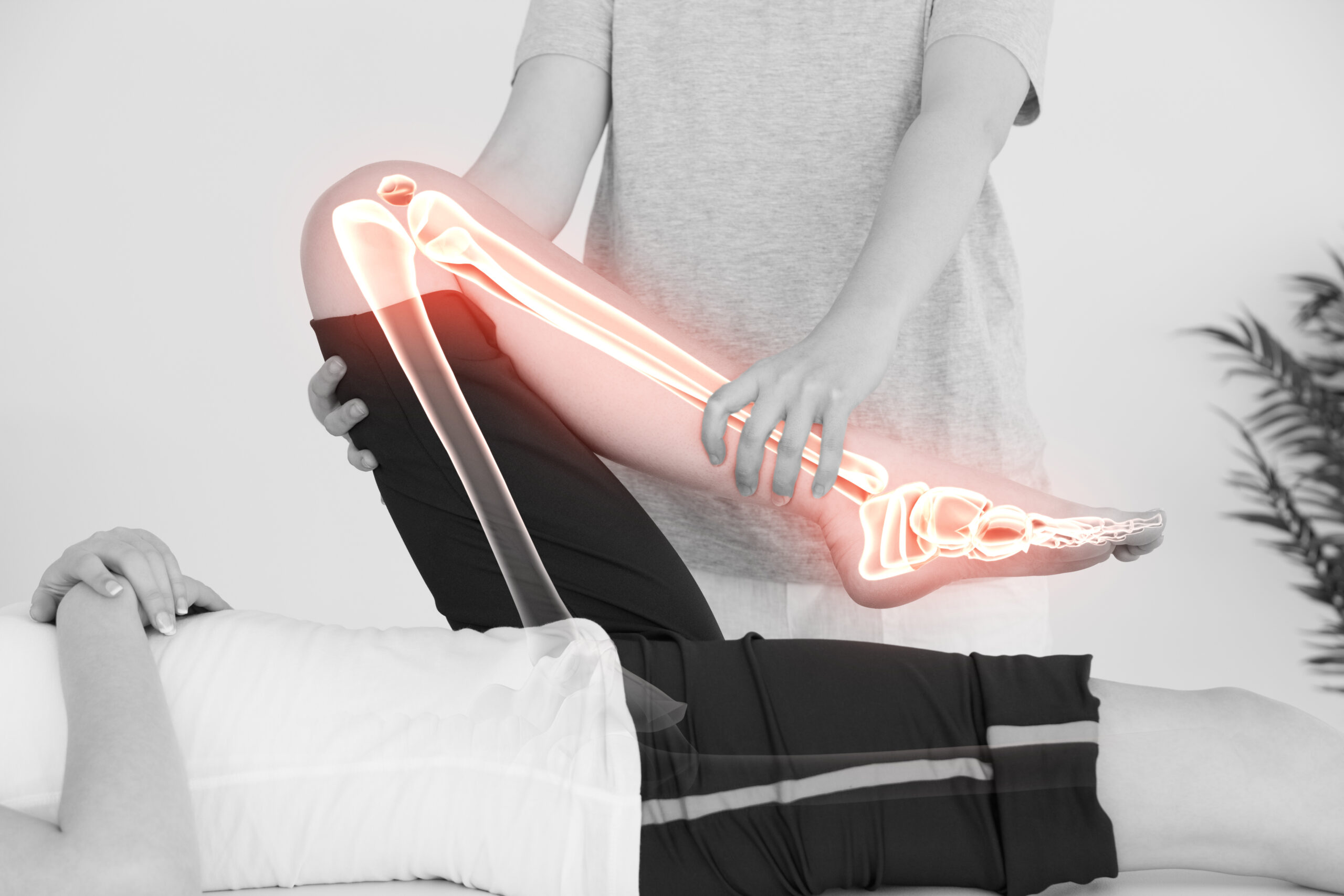
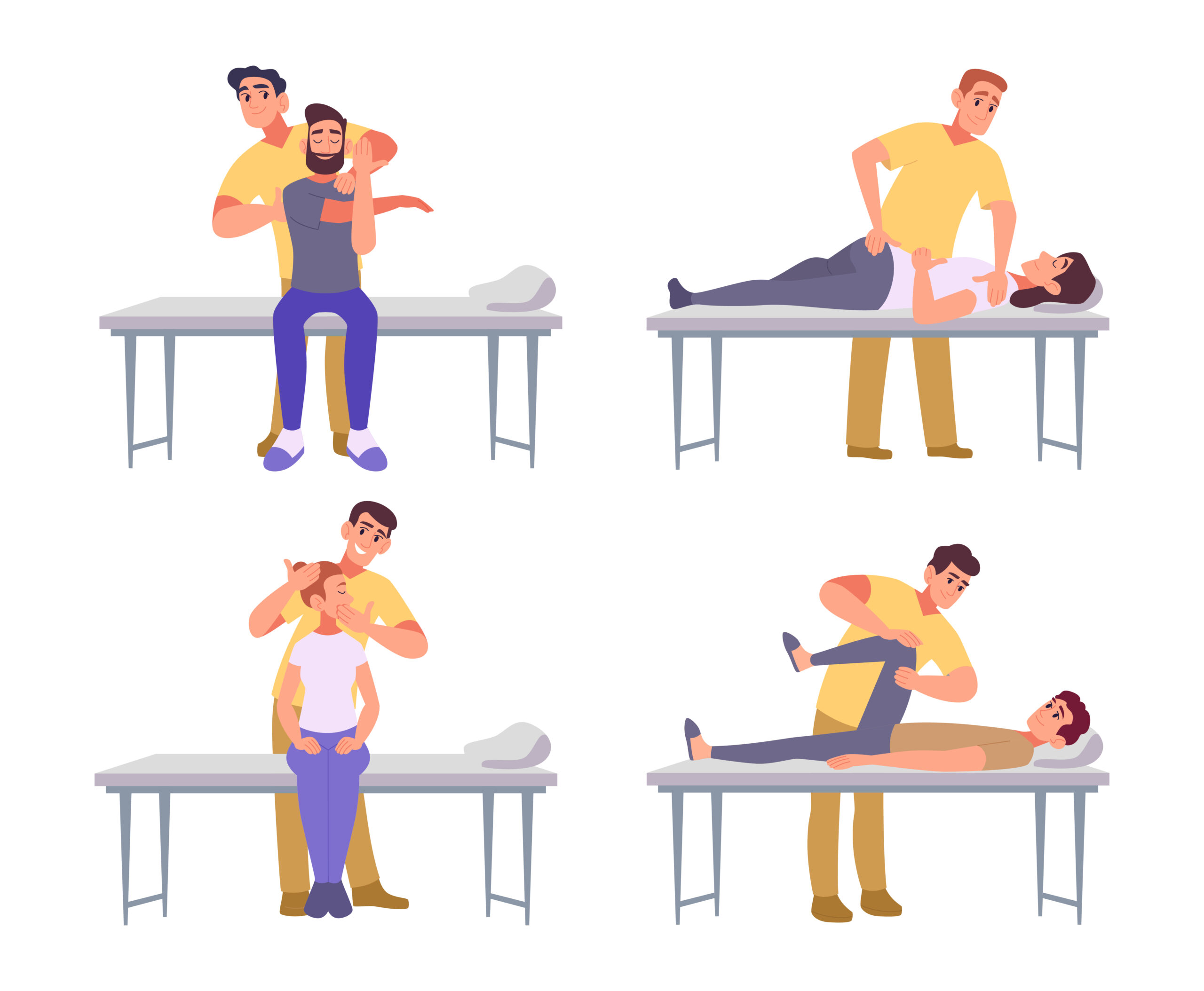
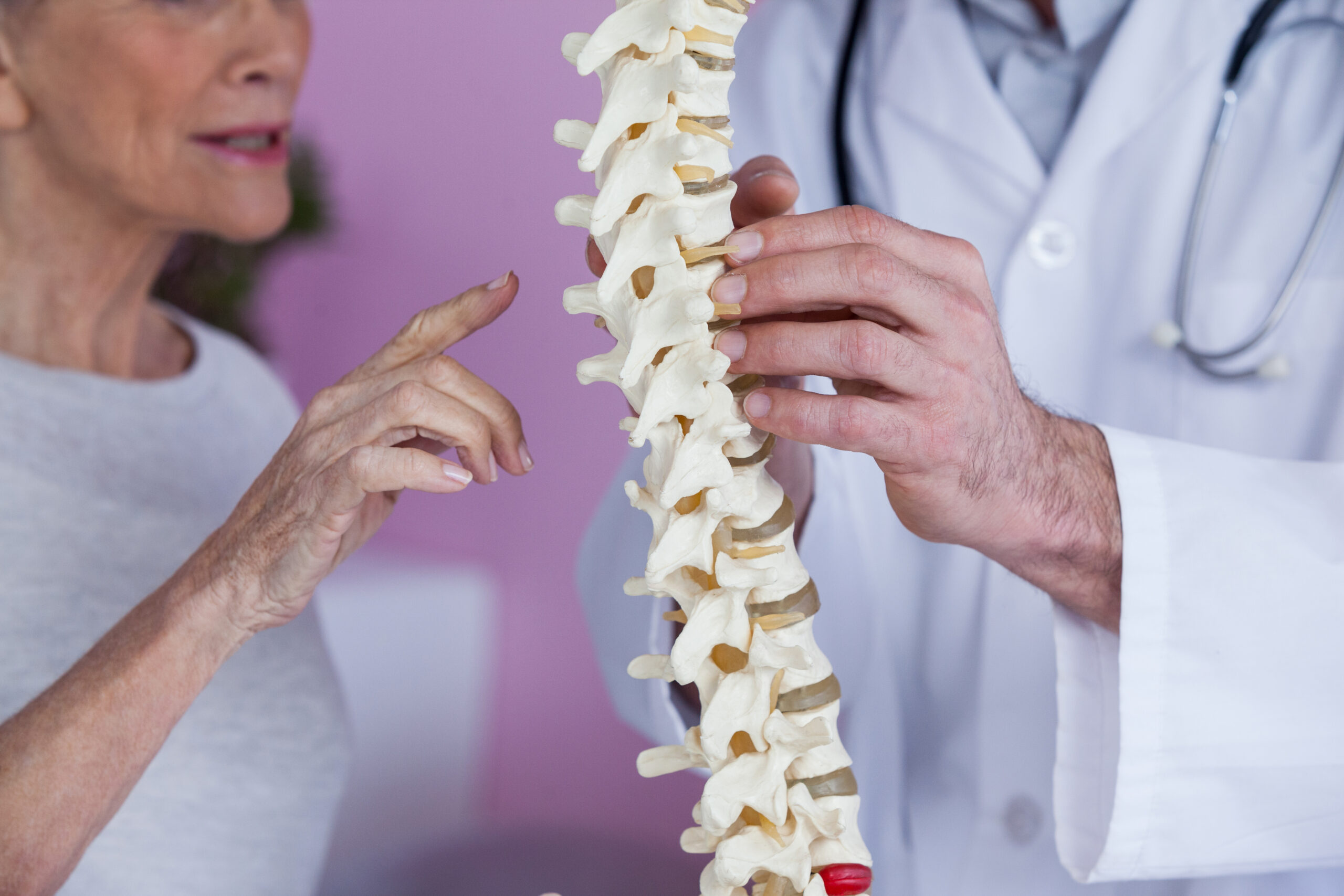
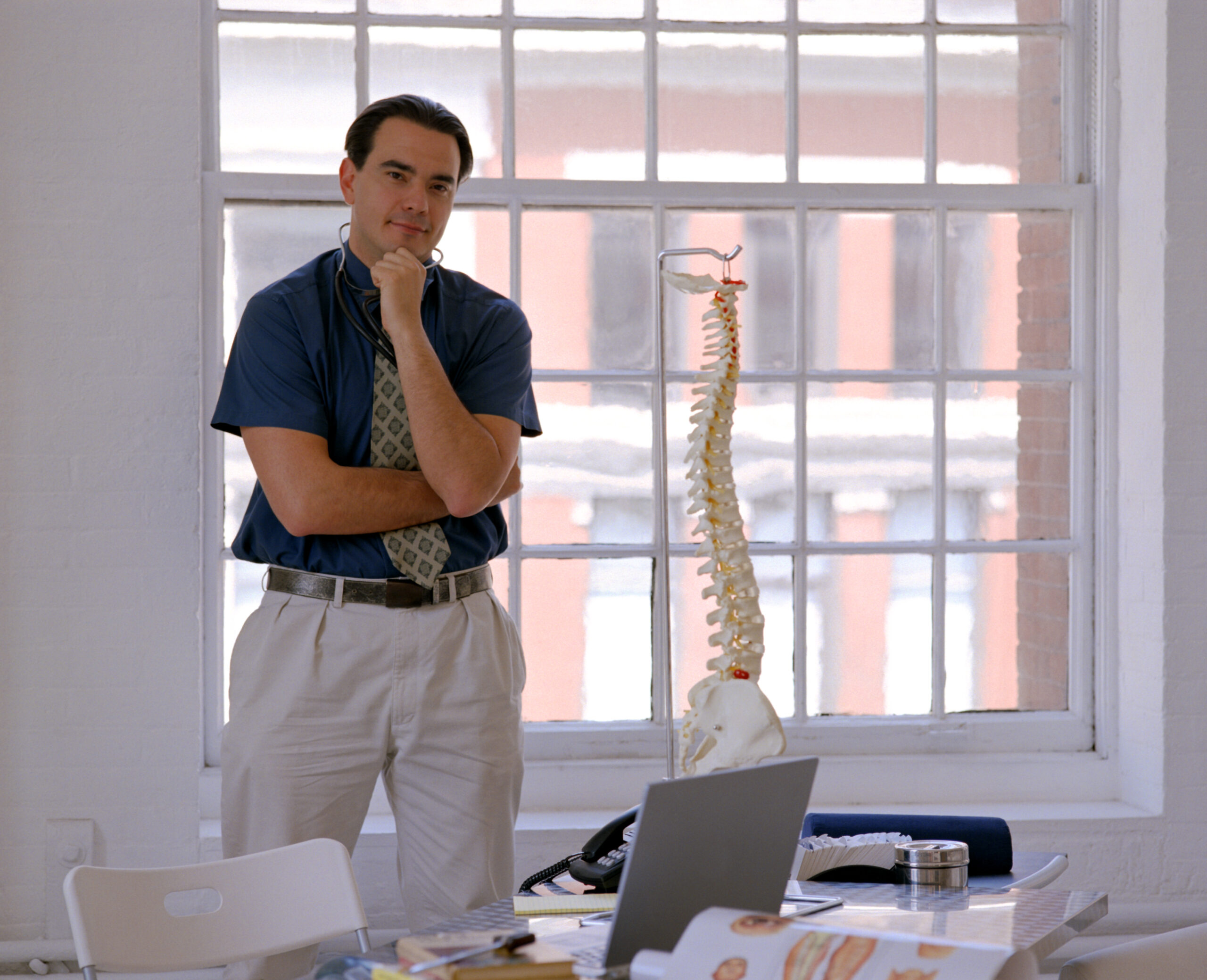
Chiropractors often emphasize the importance of core stability as part of a holistic approach to musculoskeletal health. They may assess a patient’s movement patterns and identify weaknesses that contribute to hip pain, then recommend targeted exercises to address these issues. Chiropractic care can also help correct spinal misalignments that may indirectly affect core function, ensuring the body works as a unified system. By combining manual adjustments with personalized core training plans, chiropractors support patients in achieving better posture, balance, and joint health. This collaborative approach highlights the value of professional guidance in designing safe and effective preventive strategies, particularly for those new to exercise or recovering from injury.
Conclusion: Building a Stronger Foundation for Hip Health
Core stability training plays a vital role in preventing hip pain by enhancing the body’s ability to move efficiently and maintain proper alignment. For non-athletic individuals, this form of exercise offers a practical way to reduce strain on the hips during daily activities, promoting long-term musculoskeletal health. While general guidelines can provide a starting point, consulting a chiropractor ensures that exercises are tailored to individual needs and goals. By prioritizing core strength, people can take proactive steps toward pain-free movement and improved quality of life. As with any health strategy, consistency and professional guidance are essential for achieving the best outcomes.