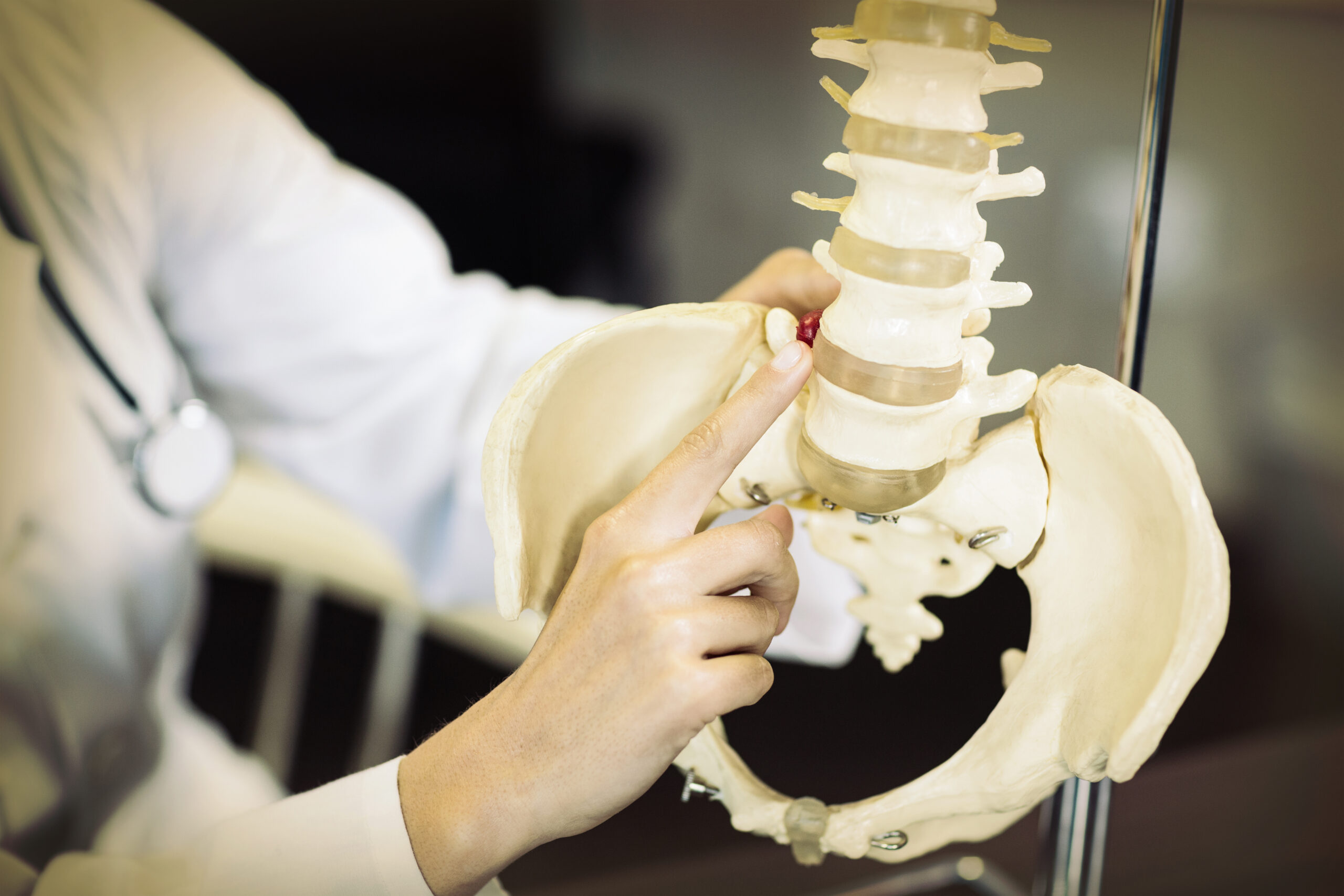
Understanding Spinal Adjustments and Their Purpose
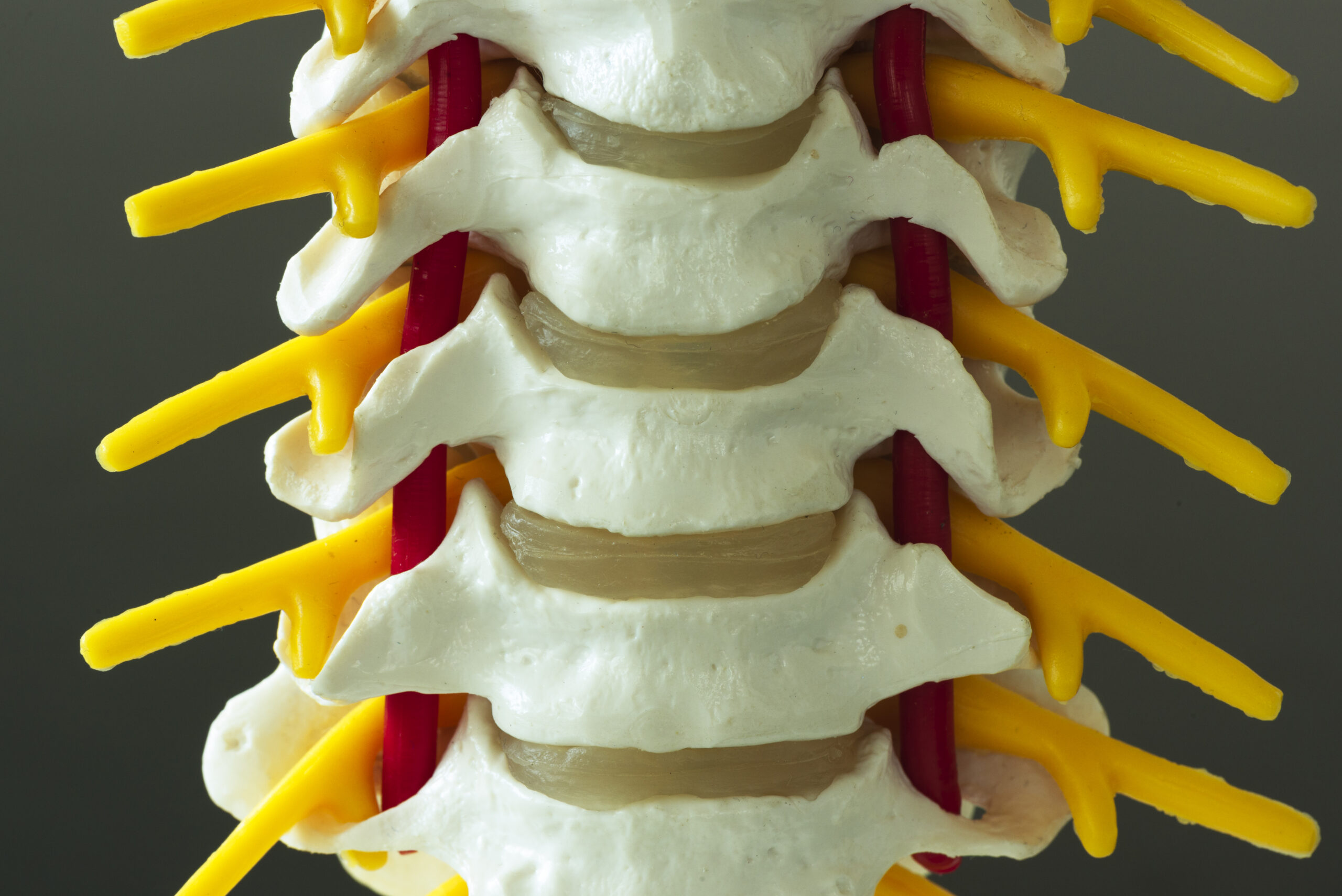
Spinal adjustments, a core component of chiropractic care, involve manual manipulations to realign the spine and alleviate musculoskeletal discomfort. These procedures are typically performed by licensed chiropractors who undergo extensive training to ensure precision and safety. While some people associate spinal adjustments with dramatic risks, the majority of cases involve minimal, short-term effects such as mild soreness or fatigue. The primary goal of these adjustments is to improve joint mobility, reduce nerve pressure, and support the body’s natural healing processes. Understanding their purpose helps contextualize their role in a broader healthcare framework, emphasizing that they are often part of a holistic approach to wellness rather than a standalone solution.
Common Myths About Risks
One persistent myth is that spinal adjustments carry significant risks, such as causing strokes or severe nerve damage. However, these scenarios are extremely rare and often linked to pre-existing conditions or improper technique. The chiropractic profession adheres to strict safety standards, and most adjustments are performed with careful consideration of the patient’s health history. While some individuals may experience temporary discomfort, serious complications are not typical. It’s also important to note that the risk profile of spinal adjustments is generally lower than that of invasive procedures like surgery or long-term medication use. Addressing these myths with factual information helps patients make informed decisions about their care options.
Comparing Risks to Other Treatments
When evaluating the risks of spinal adjustments, it’s helpful to compare them to other common treatments for musculoskeletal issues. For example, medications like nonsteroidal anti-inflammatory drugs (NSAIDs) can cause gastrointestinal issues, liver damage, or cardiovascular risks with prolonged use. Surgery, while sometimes necessary, carries inherent risks such as infection, anesthesia complications, and extended recovery periods. In contrast, chiropractic adjustments are non-invasive and typically involve fewer systemic side effects. However, no treatment is entirely risk-free, and individual factors—such as overall health and the severity of the condition—play a role in determining the safest approach. This comparison underscores the importance of discussing options with a qualified healthcare provider.
Factors Influencing Safety
The safety of spinal adjustments depends on several factors, including the practitioner’s expertise, the patient’s medical history, and the specific techniques used. A licensed chiropractor will conduct a thorough assessment before recommending adjustments, ensuring they align with the patient’s needs. Conditions such as osteoporosis, spinal cord compression, or certain vascular issues may require modified approaches or alternative treatments. Open communication between the patient and provider is crucial to address concerns and tailor care plans. Additionally, following post-adjustment guidelines—such as avoiding strenuous activity—can minimize discomfort. By prioritizing personalized care and professional judgment, the risks associated with spinal adjustments remain low for most individuals.
When to Seek Professional Guidance
If you’re considering spinal adjustments or comparing treatment options, consulting a qualified chiropractor is essential. They can evaluate your specific condition, discuss potential risks, and recommend a care plan that aligns with your health goals. It’s also important to inform your chiropractor about any existing medical conditions, medications, or previous injuries that might affect the safety of adjustments. For those already undergoing other treatments, such as physical therapy or medication, a chiropractor can help coordinate care to avoid conflicts. Ultimately, professional guidance ensures that any decision about spinal adjustments is informed, safe, and tailored to your unique circumstances.
Conclusion: Balancing Risks and Benefits
Spinal adjustments are generally considered safe when performed by trained professionals, with risks typically limited to minor, temporary effects. While comparisons to other treatments like medication or surgery highlight the lower invasiveness of chiropractic care, it’s important to recognize that no approach is entirely free of risk. The key lies in making informed decisions based on individual health needs and professional advice. By addressing myths with factual information and emphasizing personalized care, patients can better understand the role of spinal adjustments in their overall wellness journey. Always consult with a qualified provider to determine the most appropriate and safe treatment options for your situation.