
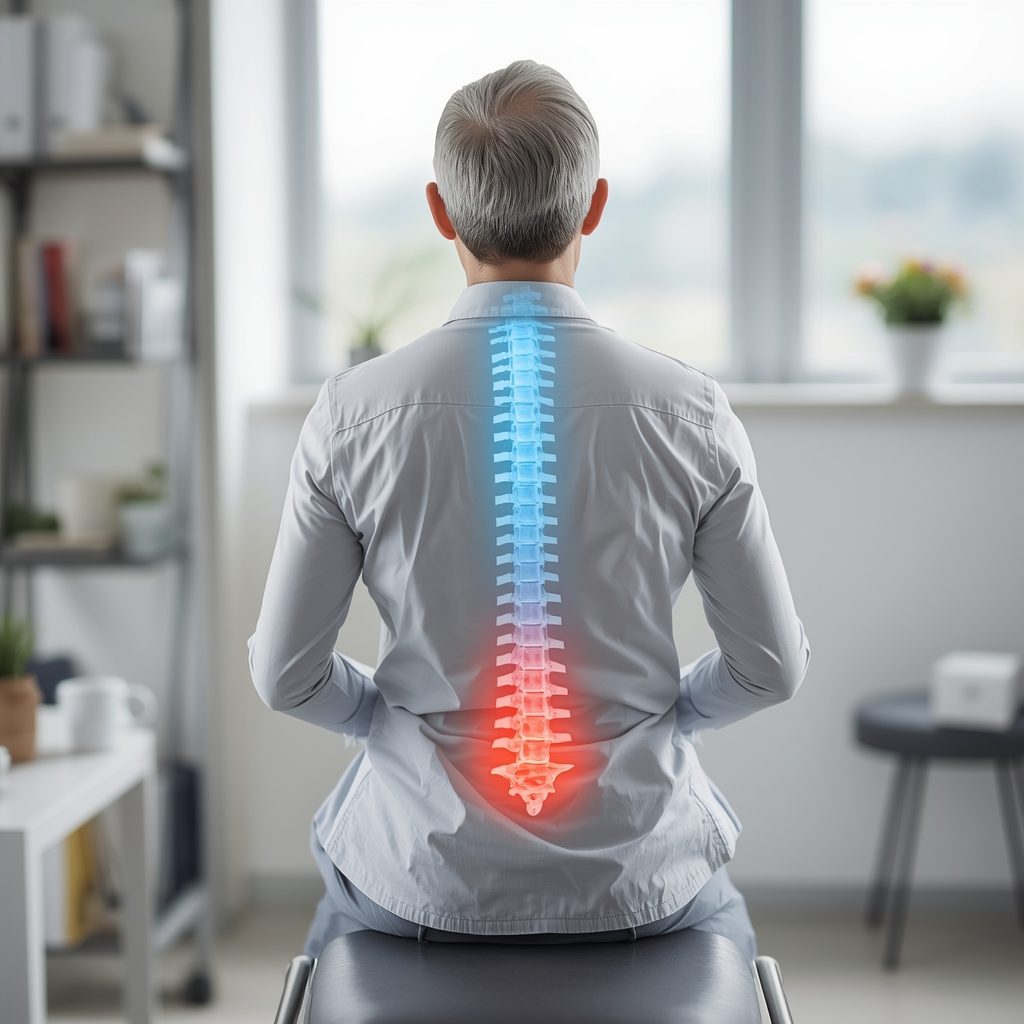
Understanding Lumbar Spinal Stenosis and Chiropractic Care
Lumbar spinal stenosis occurs when the spinal canal in the lower back narrows, compressing nerves and causing pain, numbness, or weakness in the legs. While medical treatments like medications or surgery are common, chiropractic care offers non-invasive options to manage symptoms. Chiropractors focus on improving spinal alignment and mobility, which may reduce pressure on affected nerves. Techniques such as spinal adjustments, decompression therapy, and soft tissue work are often used to address the condition. These approaches aim to enhance joint function, alleviate discomfort, and support the body’s natural healing processes. It’s important to note that chiropractic care should complement, not replace, conventional medical advice. A qualified chiropractor can evaluate individual needs and develop a personalized plan to address spinal stenosis effectively.
Spinal Adjustments and Manipulation
Spinal adjustments, a core chiropractic technique, involve manual or instrument-assisted realignment of the vertebrae. For lumbar spinal stenosis, these adjustments may help restore proper spinal mechanics, reducing nerve compression and improving mobility. By correcting misalignments, chiropractors can ease pressure on the spinal cord and nerves, potentially relieving pain and stiffness. Adjustments are typically gentle, tailored to the patient’s condition, and often combined with other therapies. Research suggests that spinal manipulation may be beneficial for lower back pain, though individual responses vary. Patients should discuss their medical history with a chiropractor to ensure adjustments are safe and appropriate. While not a cure, this approach can be part of a broader strategy to manage symptoms and enhance quality of life.
Decompression Therapy for Nerve Relief
Spinal decompression therapy uses mechanical traction to gently stretch the spine, creating negative pressure that may relieve pressure on compressed nerves. This technique is often used for conditions like lumbar spinal stenosis, where nerve impingement causes discomfort. By decompressing the spine, the therapy can reduce inflammation, improve disc hydration, and promote healing. Some patients report reduced leg pain and improved walking ability after sessions. Decompression is typically performed on a specialized table and may be combined with other chiropractic methods. While not suitable for all cases, it is considered a safe, non-invasive option for many. As with any treatment, a chiropractor will assess the patient’s condition to determine if decompression therapy is a viable choice. It’s often part of a multi-faceted approach to managing spinal stenosis symptoms.
Soft Tissue Techniques for Muscle and Joint Support
Soft tissue therapies, such as massage or myofascial release, target muscles, ligaments, and connective tissues surrounding the spine. These techniques can reduce muscle tension, improve circulation, and enhance joint mobility, which may alleviate discomfort associated with lumbar spinal stenosis. Tight muscles in the lower back or legs can exacerbate nerve compression, so addressing these issues is crucial. Chiropractors may use tools like Graston Technique instruments or manual pressure to break up adhesions and restore flexibility. By improving soft tissue health, patients may experience less pain and greater ease of movement. These therapies are often used alongside spinal adjustments or decompression to provide comprehensive relief. As with other treatments, results vary, and a chiropractor can recommend the most appropriate soft tissue methods for each individual.
Integrative Care Strategies for Long-Term Management
Chiropractic care for lumbar spinal stenosis often involves a combination of techniques to address both structural and functional aspects of the condition. A holistic approach may include spinal adjustments, decompression therapy, soft tissue work, and lifestyle recommendations. For example, incorporating exercises to strengthen core muscles or improve posture can support spinal health and reduce symptoms. Chiropractors may also advise on ergonomic adjustments or activity modifications to prevent further strain. While these strategies cannot reverse spinal stenosis, they can help manage pain and maintain mobility. Patients are encouraged to communicate openly with their chiropractor to refine their care plan over time. Regular follow-ups and a personalized approach are key to achieving the best outcomes. Always consult a healthcare provider to ensure all treatments align with your overall health needs.
Consulting a Chiropractor for Personalized Solutions
Each patient’s experience with lumbar spinal stenosis is unique, making it essential to seek guidance from a qualified chiropractor. During an initial consultation, the chiropractor will review the patient’s medical history, perform a physical examination, and possibly recommend imaging tests to assess the condition. Based on this evaluation, they can design a treatment plan that addresses specific concerns. Techniques such as spinal adjustments, decompression therapy, or soft tissue work may be suggested, depending on the severity of the stenosis and the patient’s overall health. It’s important to discuss any existing medical conditions or medications to ensure safety. Chiropractic care is generally considered safe when performed by a licensed professional, but individual results may vary. Patients should remain proactive in their care, asking questions and reporting changes in symptoms to their chiropractor for ongoing support.














