
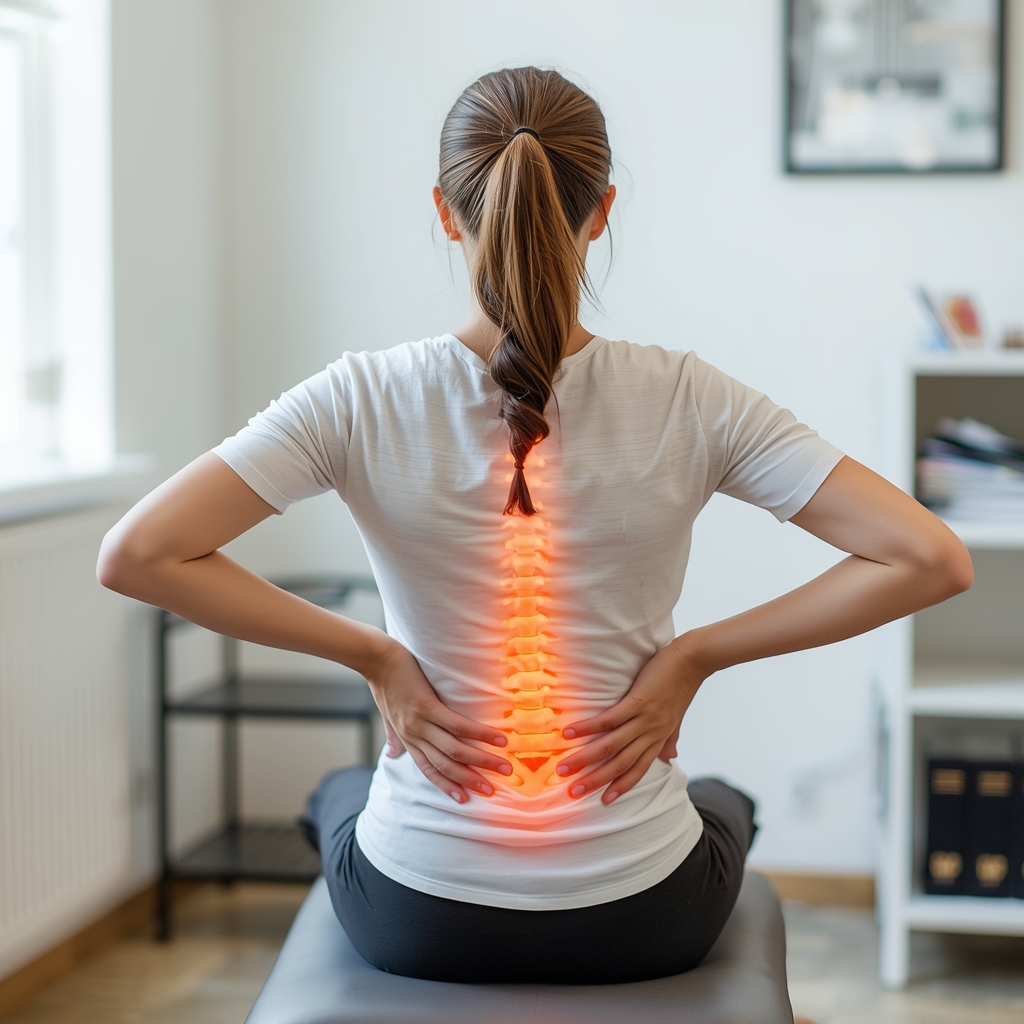
Understanding Lumbar Spinal Stenosis and Its Impact
Lumbar spinal stenosis occurs when the spinal canal in the lower back narrows, compressing nerves and causing pain, numbness, or weakness in the legs. This condition often develops gradually due to aging, arthritis, or disc degeneration. Symptoms may worsen with standing or walking and improve with sitting or bending forward. While medical treatments like medications or surgery are common, many seek chiropractic care to manage discomfort non-invasively. Chiropractors focus on improving spinal alignment and function, which may alleviate pressure on affected nerves and enhance mobility. It’s important to consult a qualified provider to determine the best approach for individual needs.
Spinal Adjustments for Nerve Relief
Spinal adjustments, a core chiropractic technique, aim to restore proper alignment and movement to the vertebrae. For lumbar stenosis, adjustments may target misalignments in the lower back to reduce nerve compression and improve function. Techniques like diversified adjustments or activator methods are commonly used, though specific approaches vary by practitioner. These interventions can help ease pain and enhance range of motion, but results depend on the severity of the condition and the patient’s overall health. While adjustments are generally safe, they should be performed by a licensed chiropractor to avoid complications. Patients often report improved comfort after a series of sessions, though outcomes vary.
Decompression Therapy for Pressure Relief
Spinal decompression therapy involves gently stretching the spine to create space between vertebrae, reducing pressure on nerves and discs. This technique is often used for conditions like herniated discs or stenosis, where nerve compression is a key issue. Mechanical decompression devices or manual techniques may be employed, with sessions typically lasting 15–30 minutes. Some studies suggest decompression can alleviate pain and improve mobility, though evidence remains mixed. It is often combined with other therapies for optimal results. Patients should discuss this option with their chiropractor to determine if it aligns with their condition and treatment goals.
Combining Techniques for Holistic Care
Chiropractors often integrate multiple approaches to address lumbar stenosis, such as combining adjustments with decompression therapy, soft tissue work, or rehabilitative exercises. This multi-faceted strategy can enhance nerve function, reduce inflammation, and strengthen supporting muscles. For example, adjustments may correct spinal misalignments, while decompression relieves direct nerve pressure. Additional therapies like massage or traction might further support recovery. The effectiveness of these combinations depends on the patient’s unique situation, making personalized care essential. Open communication with a chiropractor ensures the treatment plan evolves to meet changing needs.
Supportive Therapies and Lifestyle Adjustments
Beyond spinal manipulations, chiropractors may recommend supportive therapies to complement primary treatments. These can include heat/cold therapy, ergonomic adjustments, or exercises to improve posture and core strength. Lifestyle changes, such as avoiding prolonged standing or using assistive devices, may also ease symptoms. Patients are often encouraged to maintain regular movement to prevent stiffness and promote circulation. While these measures don’t replace chiropractic care, they can enhance its benefits. A holistic approach addresses both structural and functional aspects of lumbar stenosis, fostering long-term symptom management.
Consulting a Chiropractor for Personalized Guidance
Each case of lumbar spinal stenosis is unique, requiring a tailored treatment plan. Chiropractors evaluate symptoms, medical history, and diagnostic imaging to design an appropriate strategy. They may recommend a combination of adjustments, decompression, and lifestyle modifications based on individual needs. It’s crucial to choose a licensed professional with experience in spinal conditions. Patients should discuss potential risks, expected outcomes, and alternative options to make informed decisions. Regular follow-ups allow for adjustments to the care plan as symptoms evolve, ensuring ongoing support for spinal health.












