
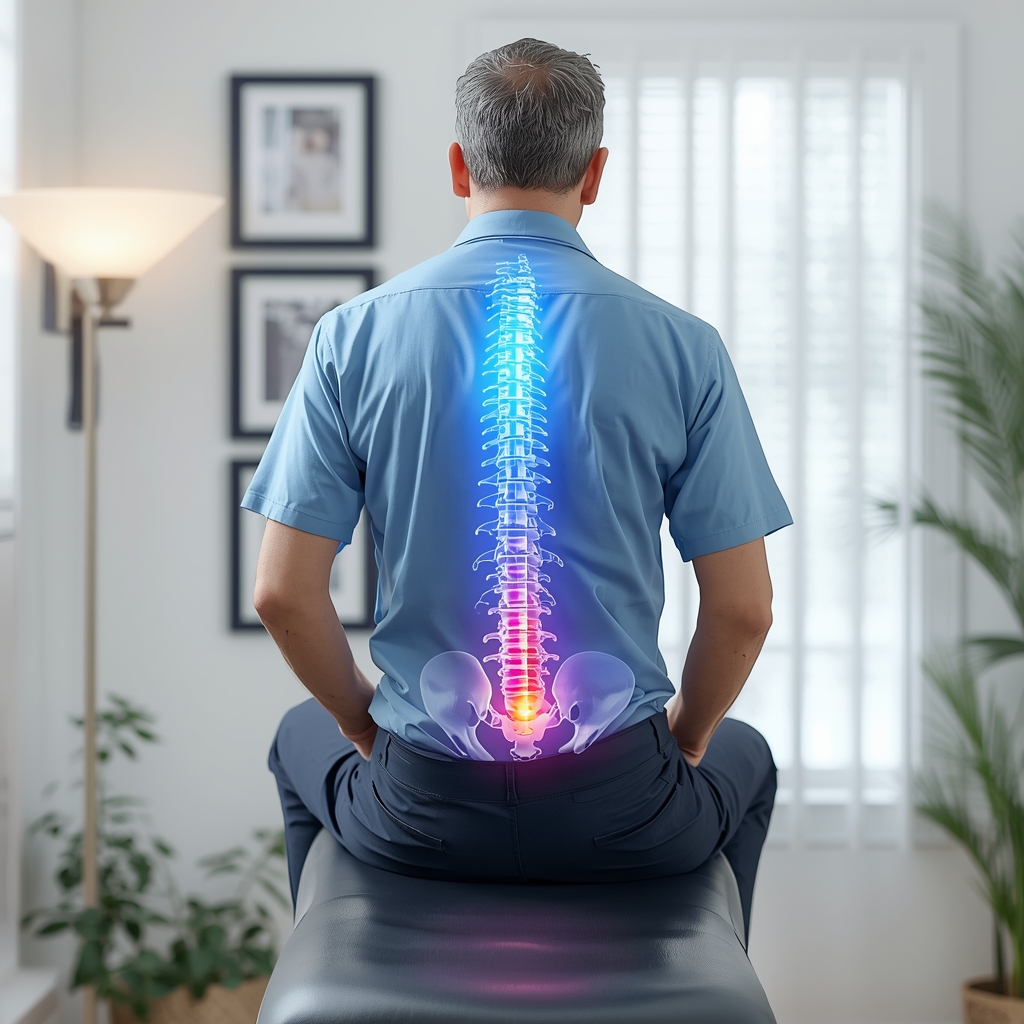
Understanding Spinal Stenosis and Its Impact
Spinal stenosis occurs when the spaces within the spine narrow, potentially compressing the spinal cord or nerves. This condition often affects the neck (cervical stenosis) or lower back (lumbar stenosis), causing pain, numbness, or weakness. Common causes include age-related wear and tear, herniated discs, or thickened ligaments. While symptoms vary, many individuals experience relief through non-surgical interventions. Understanding the condition is the first step in exploring effective treatment options, which may include spinal decompression techniques and adjustments tailored to individual needs.
Spinal Decompression Therapy for Stenosis Relief
Spinal decompression therapy involves gently stretching the spine to relieve pressure on compressed nerves. This non-invasive approach is often used for herniated discs but can also benefit those with spinal stenosis by creating more space between vertebrae. Techniques may include mechanical traction devices or manual adjustments. While research on its effectiveness for stenosis is ongoing, many patients report reduced pain and improved mobility. It is crucial to seek treatment from a qualified provider, as improper execution could worsen symptoms. Decompression therapy is typically part of a broader care plan, combining with other therapies for optimal results.
Spinal Adjustments and Manipulation Techniques
Chiropractic adjustments aim to realign the spine, improving function and reducing nerve irritation. For spinal stenosis, gentle manipulations may help alleviate pressure on affected areas. Techniques like diversified adjustments or soft-tissue therapy can address misalignments contributing to discomfort. However, the approach must be tailored to the patient’s condition, as aggressive methods could be harmful. Many chiropractors use a combination of manual and instrument-assisted techniques to ensure safety and effectiveness. These adjustments are often used alongside decompression therapy, emphasizing the importance of a personalized treatment strategy under professional guidance.
Combining Therapies for Comprehensive Care
Effective spinal stenosis management often involves integrating multiple approaches. Decompression therapy and spinal adjustments may work synergistically to reduce nerve compression and restore mobility. Physical therapy exercises, posture correction, and lifestyle modifications can further support these interventions. For example, decompression might relieve immediate pressure, while adjustments address underlying structural issues. A chiropractor can design a customized plan based on the patient’s symptoms and medical history. It is essential to communicate openly with healthcare providers to ensure all therapies align with safety standards and individual goals, avoiding conflicting or harmful practices.
Lifestyle and Supportive Measures
In addition to professional treatments, lifestyle changes can enhance spinal stenosis relief. Regular low-impact exercise, such as walking or swimming, promotes circulation and flexibility. Maintaining proper posture, especially during prolonged sitting, reduces spinal strain. Ergonomic adjustments to workspaces and sleeping positions may also help. Some patients find complementary therapies like acupuncture or massage beneficial, though these should be discussed with a healthcare provider. While these measures cannot replace medical treatments, they can support overall spinal health and reduce the frequency of flare-ups. Consistency and patience are key, as improvements often develop gradually over time.
Consulting a Qualified Chiropractor for Personalized Care
Spinal stenosis requires individualized treatment, as each case presents unique challenges. A chiropractor can evaluate the condition through physical exams and imaging, if needed, to determine the most appropriate techniques. They may recommend decompression therapy, adjustments, or referrals to other specialists if necessary. It is vital to choose a licensed professional with experience in spinal conditions to ensure safe and effective care. Patients should discuss their medical history, current medications, and any concerns during consultations. By working closely with a chiropractor, individuals can develop a proactive plan to manage symptoms and improve their quality of life without relying solely on medication or surgery.














